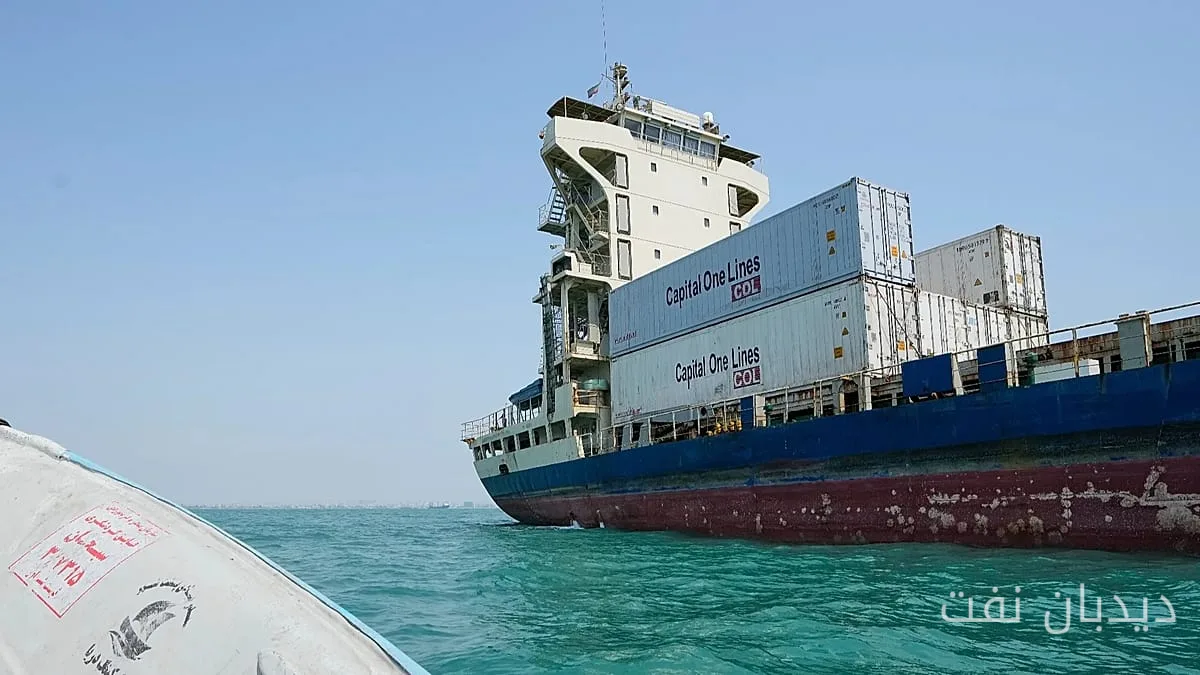
Majid Al-Ansari, the spokesperson for the Qatari Foreign Ministry, stated in a press conference in Doha: "How long can the global economy endure the consequences of what is happening in our region?" In response to questions about the prospects for an agreement, he emphasized that there are multiple obstacles on the path to any agreement and that Qatar is working to bridge the gap between the two parties.
Qatar's Mediation Efforts
Al-Ansari also mentioned that meetings have been held in recent days and Qatar has conveyed messages between the parties. However, he refrained from providing further details about the progress of the negotiations. According to the spokesperson for the Qatari Foreign Ministry, another round of intensified conflicts will bring more problems to the region, and despite the threats facing it, Qatar continues to strive for a peaceful solution.
Read more: The capacity of the Netherlands LNG terminal has increased to 20 billion cubic meters
Consequences of War and Emphasis on Regional Security
Al-Ansari emphasized that the Gulf Arab countries, Iraq, and Jordan do not wish to enter into a war between Iran and the United States and have no dispute with Tehran to resolve. He stated: "This is aggression; an unjustified aggression against our countries." He also added that Tehran must clearly declare that it will not attack its neighbors who are caught in a war.
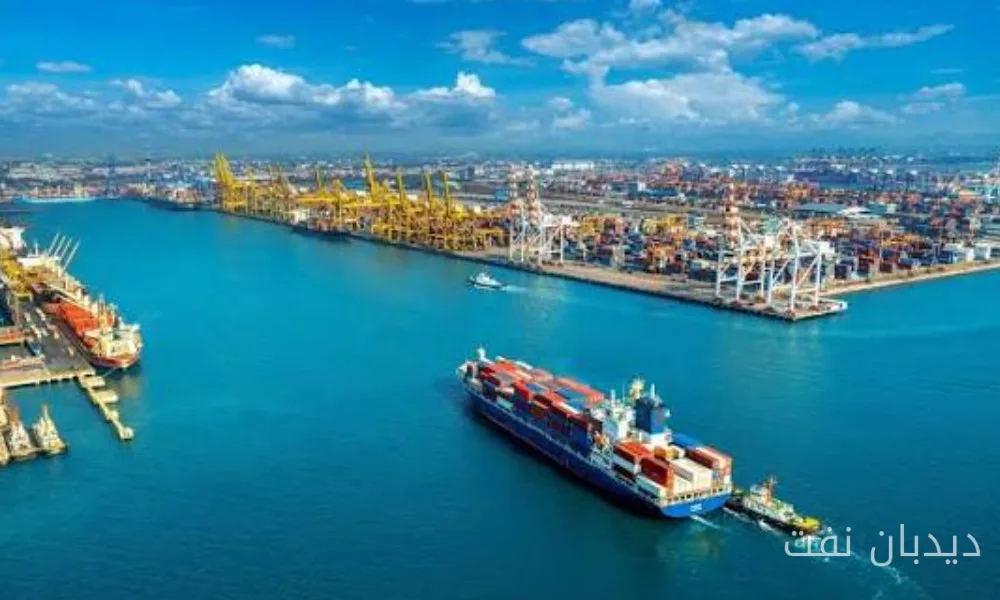
Despite these attacks, Qatar is striving to maintain its contacts with Iran and continue mediating. Al-Ansari stated that achieving a sustainable agreement requires regional security arrangements based on coexistence and non-aggression. According to him, Doha is currently working to bring the parties closer to an agreement and to reopen the Strait of Hormuz for the free passage of ships.
Al-Ansari also pointed to the consequences of this situation for agricultural yields in vulnerable countries and the increase in coal consumption in areas that were previously reducing it. He warned that as winter approaches, these pressures may intensify. This war, which began in late February with joint attacks by the United States and Israel on Iran, has significantly disrupted the passage of ships through the Strait of Hormuz.
Qatar has repeatedly stated that any peace agreement between Washington and Tehran must fully restore freedom of navigation.
Read more: The gas crisis in Europe deepens with reduced LNG supply · The U.S. war against Iran; debilitating effects on the global energy market