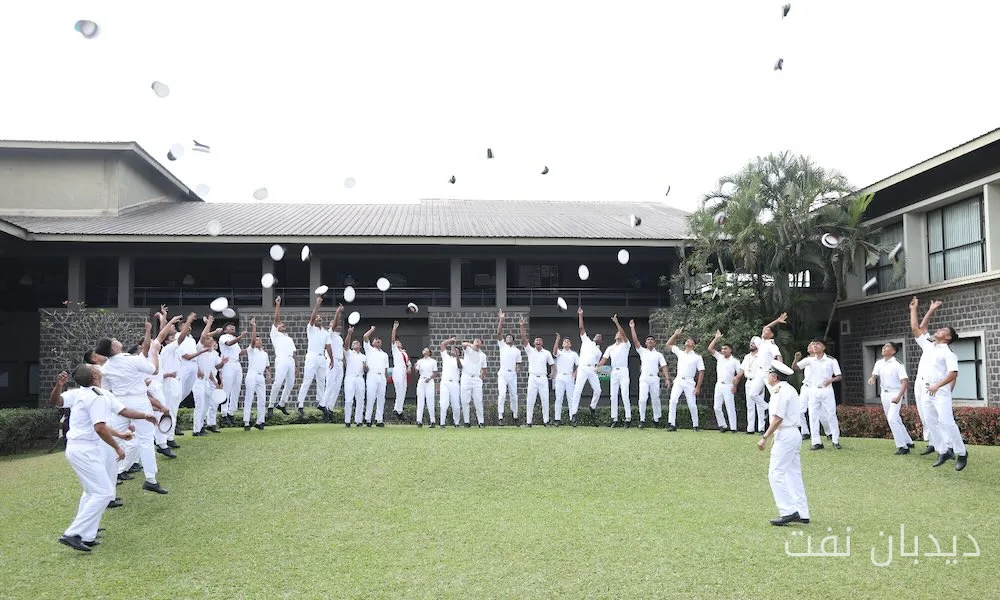
Iran continues to highlight the importance of investing in the training and professional development of personnel in the maritime industry. Given the increasing challenges in this sector, including climate change, cyber threats, and legal complexities, the need for skilled and trained human resources is more pressing than ever.
The Need for New Skills in the Maritime Industry
New trends such as decarbonization and digitalization have heightened the demand for managers and seafarers with new skills. While the industry seeks better leaders, cuts in educational budgets can lead to more problems in the future. It seems that companies should focus on strengthening this area rather than reducing training costs.
Read more: Request for Review of Free Gasoline Limitations and Return of Fuel Cards in Hormozgan
Continuous Education and Professional Development
Maritime managers and staff must be able to understand and manage cyber risks, legal changes, and geopolitical developments. Practical experience alone is not enough, and continuous education should be considered an essential part of the maritime industry's infrastructure. Failure to invest in this area can lead to serious problems for companies.
Ultimately, the future of the maritime industry depends on the ability of personnel to manage changes and new challenges. Therefore, companies must focus on nurturing new talents and enhancing existing skills to perform well in today's complex and changing world.
Read more: Iran's Gas Exports to Pakistan Halted, Intensifying Supply Shortage · Kongsberg Maritime Establishes New Office in Manila