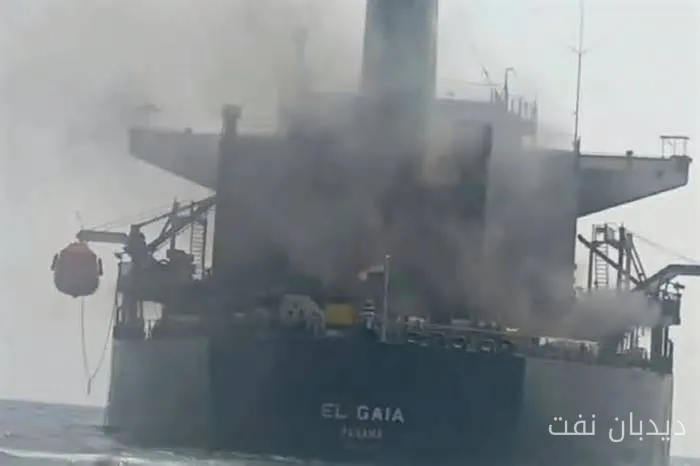
America's war against Iran, particularly in the energy sector, has created significant disruptions in global markets. The International Energy Agency has described this situation as the largest disruption in oil supply in the history of the global market. According to reports, the cumulative reduction in oil supply has exceeded 1.3 billion barrels by June, and this crisis has inevitably forced the International Energy Agency to make emergency withdrawals from oil reserves.
Consequences of the War on the Energy Market
Morgan Bazilian, director of the Pinn Public Policy Institute, has pointed out in an article that oil is only the first layer of a broader crisis. He has mentioned chain disruptions in gas, helium, and chemical fertilizers, highlighting the fact that many of these materials do not have sufficient strategic reserves. This means that in the event of a supply cut, there is no possibility of replenishing them.
Read more: 23% decrease in maritime traffic at the Duluth port due to U.S. tariffs
For instance, Nadia Shadloo, a researcher, has discussed the erosion of markets and the military limitations of the U.S. in facing Iran in an article. In this context, the U.S. military model, which has relied on short and decisive wars, has been challenged. Meanwhile, America's rivals have gained greater capability to turn confrontations into long-term tests in terms of munitions and industries.
Economic and Military Impacts of the War
Bazilian describes the liquefied natural gas facility at Ras Laffan in Qatar as an example of the war's effects. Following Iranian missile attacks on this facility, it is predicted that exports of condensate will decrease by 24% and liquefied gas by 13%. This situation has not only affected Qatar but has also impacted the global liquefied natural gas market as a whole.
Prices in Asia have risen significantly, and countries like Japan and South Korea have reverted to using coal. Thailand has also increased its renewable energy targets and is considering using nuclear energy for the first time. The Thai Energy Minister has explicitly linked this change to America's war against Iran.
This chain extends to materials such as helium and sulfur. Helium, which is essential for imaging devices and the chip industry, cannot be easily stored. Additionally, the price of aluminum has reached its highest level in four years due to attacks on smelting plants in the Persian Gulf.
Ultimately, attritional wars like the one in Iran require political and economic will to bear long-term costs. Foreign Affairs warns that the U.S. may be drawn into a war it does not prefer. In such circumstances, energy prices and other economic repercussions could be a significant test of political will.
Read more: Surge in diesel prices in America and Europe due to America's warmongering · Saeed Pakseresht: Return of capacity at South Pars refineries has begun



