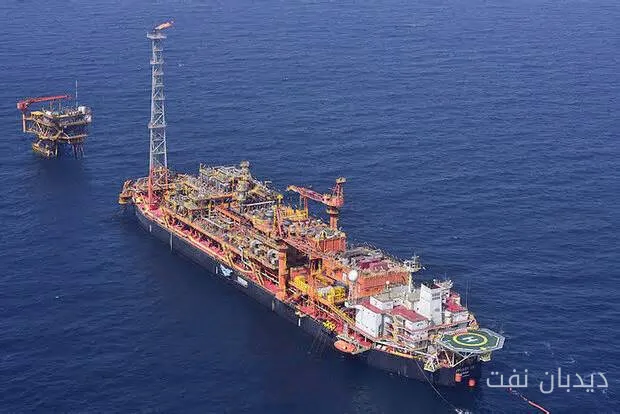
Saeed Pakseresht, the integrated planning manager of the National Iranian Gas Company, announced the start of the capacity restoration programs for the South Pars refineries. In an interview, he pointed out the damages caused by recent attacks on the country's gas facilities, stating that 230 million cubic meters of gas processing capacity was taken out of production daily, and this incident is considered one of the largest attacks on gas facilities in the world.
Capacity Restoration Programs
Pakseresht emphasized that two sections of the restoration programs have been defined for the quick return of lost capacities, adding: The first section is early production aimed at reducing the consequences of the incident and quickly returning part of the refining capacity to the production cycle. The second section includes the complete restoration of the damaged facilities, which requires more time.
Read more: VLCC tankers with a capacity of 2 million barrels passing through the Strait of Hormuz
The integrated planning manager of the National Iranian Gas Company explained that the early production program is designed in four phases, and so far, two phases have been completed. He also announced that the third phase of this program will be operational according to the scheduled timeline, and efforts are being made to return part of the capacity to the production cycle before the onset of the cold months of the year.
Responsibility for Refinery Restoration
Pakseresht, referring to the responsibilities assigned in the restoration of the South Pars refineries, stated: According to the decision of the Ministry of Oil, the responsibility for restoring the third and fifth refineries has been assigned to the National Iranian Oil Company, while the restoration of the fourth and sixth refineries has been entrusted to the National Iranian Gas Company. These actions are aimed at utilizing all capacities of the oil and gas industry to carry out restoration operations in the shortest possible time.
He emphasized that despite various programs and measures being planned in previous years for readiness in crisis situations, this time the gas industry was tested in a real field, and valuable experiences in crisis management and resilience have been gained.
Emphasis on the Use of Modern Technologies
The integrated planning manager of the National Iranian Gas Company further pointed out the importance of using technologies and technical knowledge in the restoration process, stating: The gas industry of the country has many experiences in operating gas refineries, and this specialized support has been very effective in executing restoration operations.
Pakseresht emphasized the necessity of keeping knowledge and technology up to date in the gas industry, noting that this industry must benefit from the latest scientific and technological achievements to maintain its position. He also referred to the use of maximum specialized capacity and the experience of experts to expedite the restoration process, announcing that the restoration operations and the return of capacities have so far progressed according to plan, and the effects of the incident have been largely controlled.
Read more: Reduction of tanker cargo volumes on Iran's sanctioned routes · NGL 3100 Dehloran feed sale contract signed



