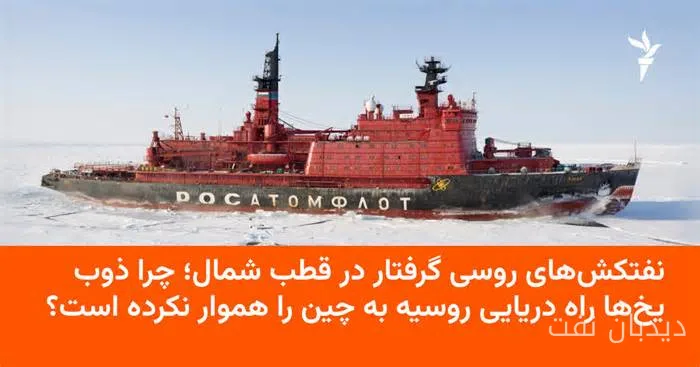
The new sanctions imposed on Iranian tankers have significantly affected the oil transport routes of this country. These decisions have been made particularly in light of increasing international pressures on Iran's oil industry and may have serious consequences for the country's oil exports.
Details of the Sanctions and Their Impacts
The new sanctions specifically target tankers that frequently travel to Iranian ports. These sanctions include new restrictions on the provision of insurance and financial services for these tankers, which directly impacts transportation and oil export costs.
Read more: New Natural Gas Discovery by Indian Oil Company in Matsiapuri Field
Changes in oil transport routes due to increased costs and higher risks may lead to a reduction in Iran's oil export volume. These sanctions are effectively being used as a tool to pressure Iran on the global stage.
Consequences for the Global Oil Market
Given that Iran is one of the key oil producers in the Middle East, a reduction in this country's oil exports could impact the global oil market. Analysts believe that these sanctions may lead to an increase in oil prices in global markets, especially as global demand for energy continues to rise.
Additionally, some countries may seek opportunities to source oil from other resources, which could lead to strategic changes in trade and political relations between countries.
In this situation, Iran must seek ways to circumvent these sanctions. Among these strategies are the use of unofficial routes, transporting oil via smaller vessels, and collaborating with countries that are still not adhering to the sanctions.
Read more: DOF Group of Norway is Selling Its Underwater Construction Vessel · Yunson Production Extracted First Oil from FSO PTSC Lac Da Vang Unit in Vietnam