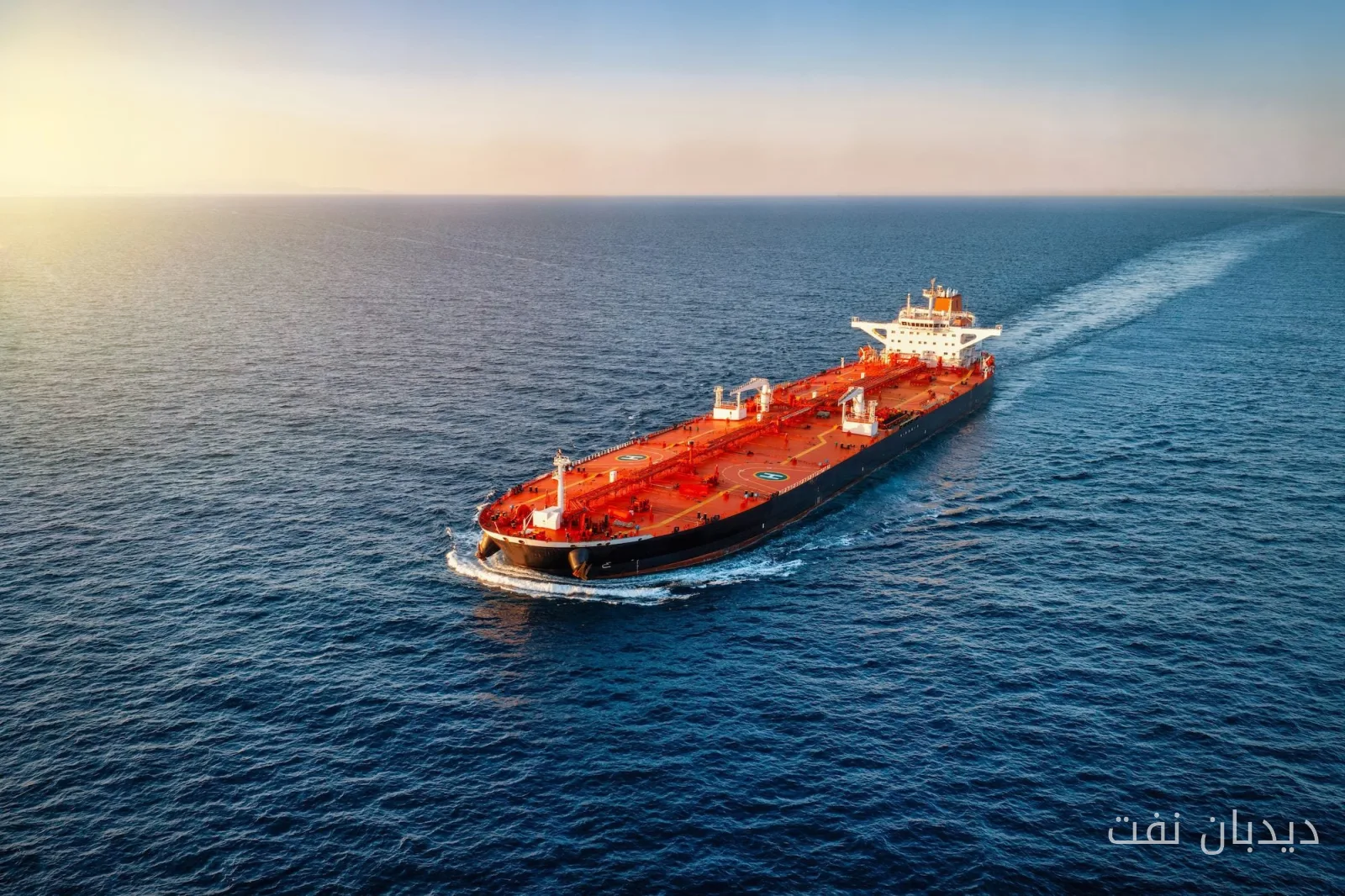
Sinocore's WhatsApp messages, the largest owner of oil tankers in the world, are recognized as one of the influential factors in determining oil transportation rates in the global market. These messages, which typically begin with affectionate phrases, are quickly discussed and exchanged in the tanker industry and play a crucial role, especially in the critical conditions arising from the Iran war.
Sinocore's Role in the Tanker Market
Sinocore, which is under the control of Ga-Hyun Chung, introduces new high rates for transporting oil from the Persian Gulf to the market through its messages to tanker brokers. These messages include contract details, ship names, and unusual prices that quickly impact global prices. According to brokers, Sinocore's messages have played a major role in determining transportation costs for oil globally in recent months.
Read more: The State of Navigation in Southern Iranian Waters Under Sanctions
Legal Developments and New Questions
This week, the tanker rate market has come under new scrutiny. A lawsuit filed by the Mercuria Energy Group in a London court points out that the benchmark rate set by the Baltic Exchange is no longer reliable. Mercuria has complained to the UK's Financial Conduct Authority (FCA), claiming that due to disruptions caused by the Iran war, there is no basis for calculating oil transportation costs.
This lawsuit does not mention Sinocore or its role in the market, but concerns about how benchmark rates are determined have increased, especially given Sinocore's dominance in the market. Brokers, ship owners, and traders say that Sinocore's messages serve as the primary source of information for assessing the Persian Gulf tanker market.
As a result, this situation affects not only Sinocore but the entire oil market and raises new questions about how benchmark rates are determined. While state producers in the Middle East have more success in transporting their oil from the Persian Gulf, trade continues to be largely informal, leading to a decrease in the flow of verifiable data.
Ultimately, these developments could lead to fundamental changes in how tanker rates are determined and also affect the trust in financial benchmarks that impact billions of dollars in financial contracts.
Read more: Fuel carriers in Kerman face serious dangers on the fuel smuggling route · American lawmakers warn about Russian diesel shipments to ports and banks