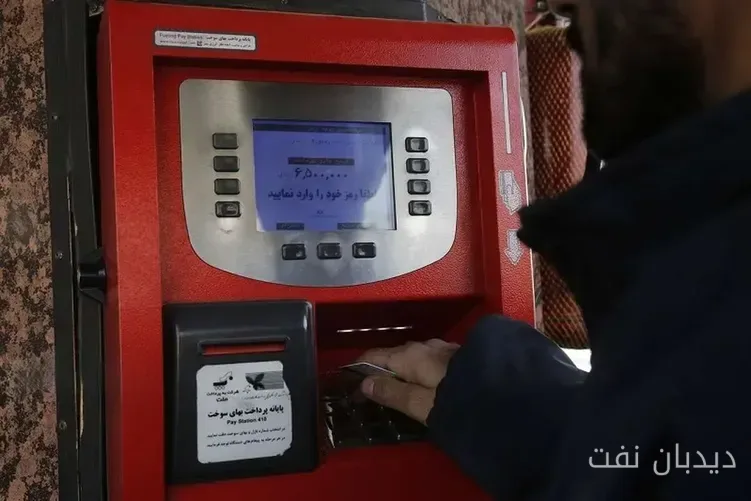
The fuel card coding plan has begun in four border districts of South Khorasan, including Nehbandan, Sarbisheh, Darmian, and Zirkuh, with the goal of organizing the distribution of petroleum products and combating fuel smuggling. This plan has been implemented due to the unique geographical location of this region and the shared border with Afghanistan, to better control the flow of fuel distribution and reduce congestion at stations.
Details of the Fuel Card Coding Plan Implementation
Starting from noon on Thursday (November 7), this plan has commenced, and according to the announcement by the National Iranian Oil Products Distribution Company in South Khorasan, fuel cards for local vehicles in the province as well as non-local vehicles that have a history of refueling in the province will be allowed to refuel in these four districts. The aim of this plan is to organize refueling, reduce queues at stations, and prevent off-network supply and fuel smuggling.
Read more: Collision of MSC Cargo Ship and Mein Schiff 3 Cruise Ship in Bremerhaven Port
Social and Economic Impacts of the Plan
Considering the existing challenges in border control and vehicle movement, the fuel card coding plan has been designed to reduce economic incentives for fuel smuggling and better manage the distribution of products. The price difference of petroleum products within the country and neighboring countries has always been one of the main factors contributing to smuggling. In this regard, managing fuel consumption and organizing its distribution is on the agenda of the National Iranian Oil Products Distribution Company.
However, the implementation of any restrictive policy in fuel distribution requires a precise forecast of the living conditions of the people and their transportation and economic needs. In districts like Nehbandan and Sarbisheh, the long distance of villages from urban centers and issues such as access to healthcare, educational, and administrative services make the need for sustainable access to fuel even more critical. In this context, any disruption in fuel supply can have negative impacts on the livelihoods of the people.
Read more: Return of the Empire State VII Tanker to SUNY Maritime Training Base After National Security Mission Cancellation · Seizure of 5,000 Liters of Illegal Diesel in Mobarakeh County