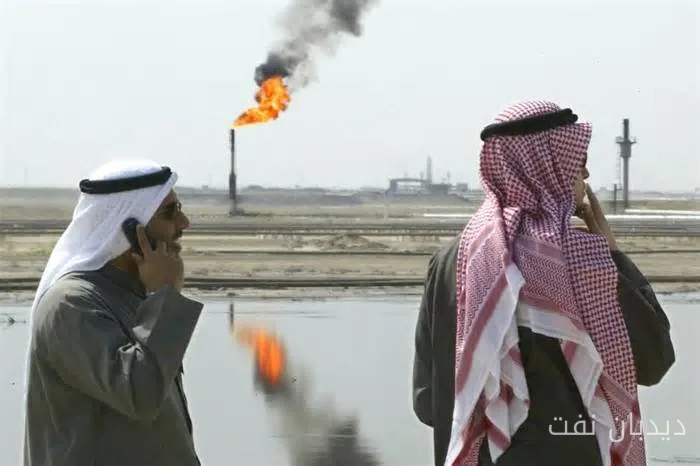
In recent weeks, Iran has faced serious challenges regarding energy security. Attacks on oil and gas facilities in the Persian Gulf, recognized as one of the most important energy transit routes in the world, have raised serious concerns about the region's credibility as a reliable supplier.
Background of Security Threats
The Persian Gulf, with its vast reserves of oil and gas, has always been under the watchful eye of major countries and global economies. However, with rising tensions between Iran and other countries, especially in recent years, this region has become a hotspot for crises. Attacks on oil tanker fleets and extraction facilities have not only led to rising prices in the global market but have also jeopardized the region's credibility.
Read more: A fleet of oil tankers is anchoring off the coast of Taiwan
Details of Attacks and Their Consequences
Recent dates show that several oil tankers have been attacked in sensitive routes of the Persian Gulf. These attacks, which occur in various forms including cyber and physical assaults, have severely impacted the supply of oil and gas in this region and caused disruptions in the global supply chain. This situation has significant economic repercussions not only for energy-importing countries but also for Iran itself.
On the other hand, these threats could lead to changes in trade and economic routes. Many countries may seek alternative energy sources outside the Persian Gulf, which could have long-term effects on the global energy market. Additionally, the continuation of these attacks could lead to increased insurance costs on oil tankers and facilities, which in turn affects global oil prices.
In this regard, various countries need to think about strengthening their security and diplomatic cooperation to prevent further crises and maintain stability in the energy market. Moreover, there is an increasing need for active diplomacy and constructive dialogues to reduce tensions and improve security conditions in the Persian Gulf.
Read more: Sirik, the Gateway to the Strait of Hormuz and the Golden Makran with Economic and Security Capacities · The U.S. Warns Ships About Passing Through the Strait of Hormuz