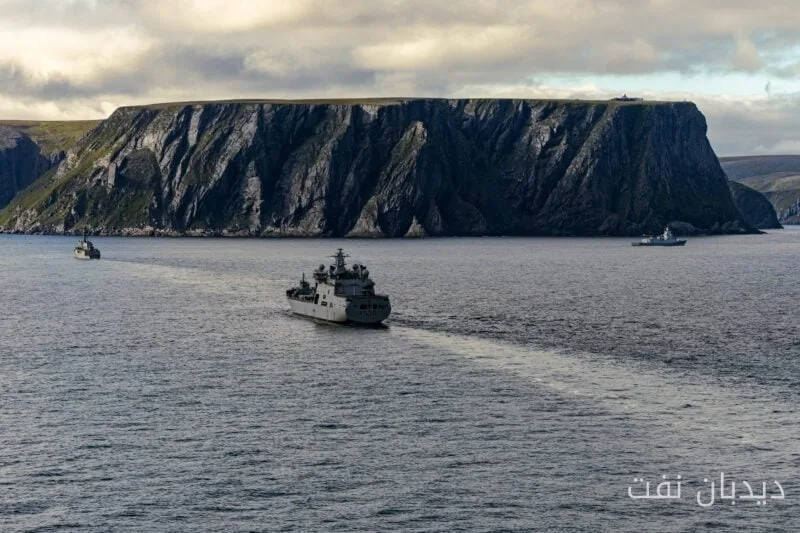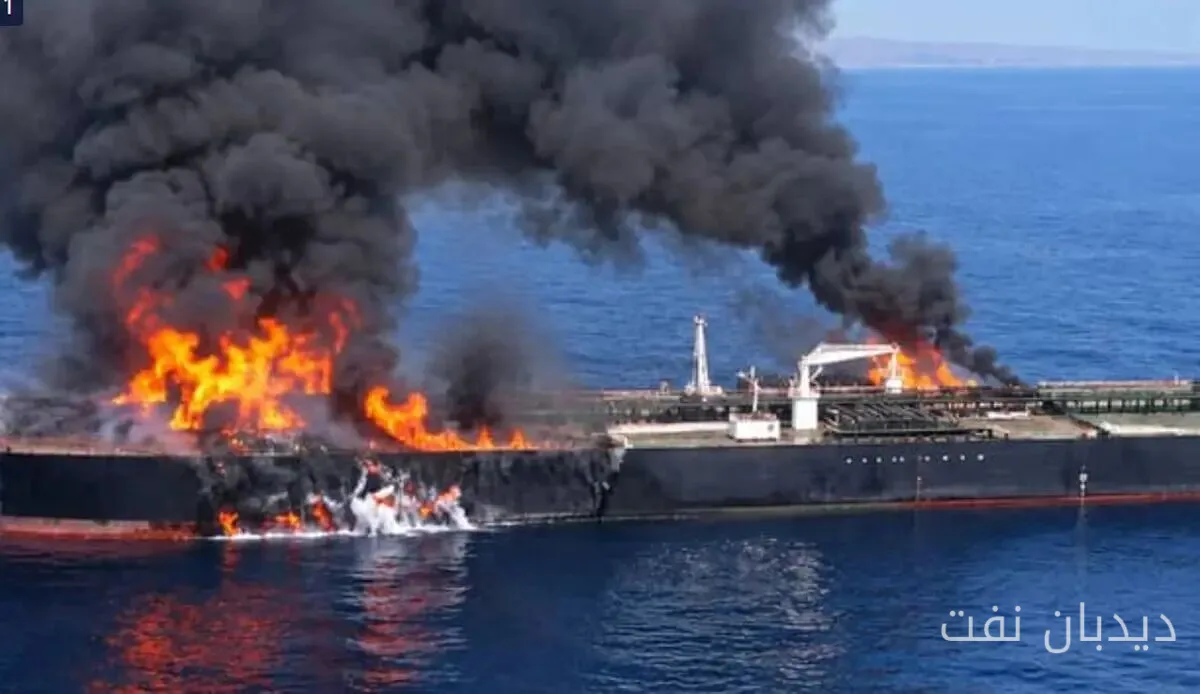
The United States Navy, in its recent action, has warned ships about passing through the Strait of Hormuz. This warning comes as American officials, including Donald Trump, have claimed that the United States has control over this strategic waterway.
Background of the Warning
The Strait of Hormuz is highly significant as one of the main routes for oil transportation in the world, and passing ships through this waterway could have serious consequences due to existing tensions in the region. This warning has been issued particularly following increased tensions between the United States and Iran, which have fueled global concerns about energy security.
Read more: Brent crude oil price drops to $115 following Saudi Arabia and Iran negotiations
Possible Consequences
The U.S. Navy's warning could impact global oil prices as well as maritime security in the region. Given that many countries, especially Asian nations, heavily depend on oil transported through this waterway, any tensions or disruptions in this route could have widespread economic repercussions.
Analysts also believe that this U.S. action may lead to increased tensions and conflicts in the region, especially since the Islamic Republic of Iran has continuously threatened to block the Strait of Hormuz if sanctions and pressures escalate. In this context, concerns about the security of ships and tankers in this area have significantly increased.
Global Reactions
The issuance of such warnings by the U.S. Navy may provoke various reactions from other countries and international organizations. Some countries may respond negatively to these warnings and call for the preservation of freedom of navigation in international waterways. At the same time, some analysts believe that these warnings could present an opportunity for diplomacy and international negotiations to reduce tensions.
Conclusion
The U.S. Navy's warning to ships about passing through the Strait of Hormuz reflects deep concerns regarding maritime security and its impacts on the global oil market. This action may also be seen as part of the overall strategy of the United States in addressing regional threats. In this situation, paying attention to future developments and international reactions, especially from countries dependent on regional oil, will be crucial.
Read more: Masoud Pezeshkian emphasized the need for cooperation among gas-exporting countries · The role of Sinokor's WhatsApp messages in determining oil transportation rates