The European Union (EU) appears to have retreated from its stance on banning oil and gas production in polar regions. The new draft strategy of the union does not mention any new ban on oil and gas drilling in the Arctic, indicating a shift in the institution's position compared to 2021.
Change in the EU's Position
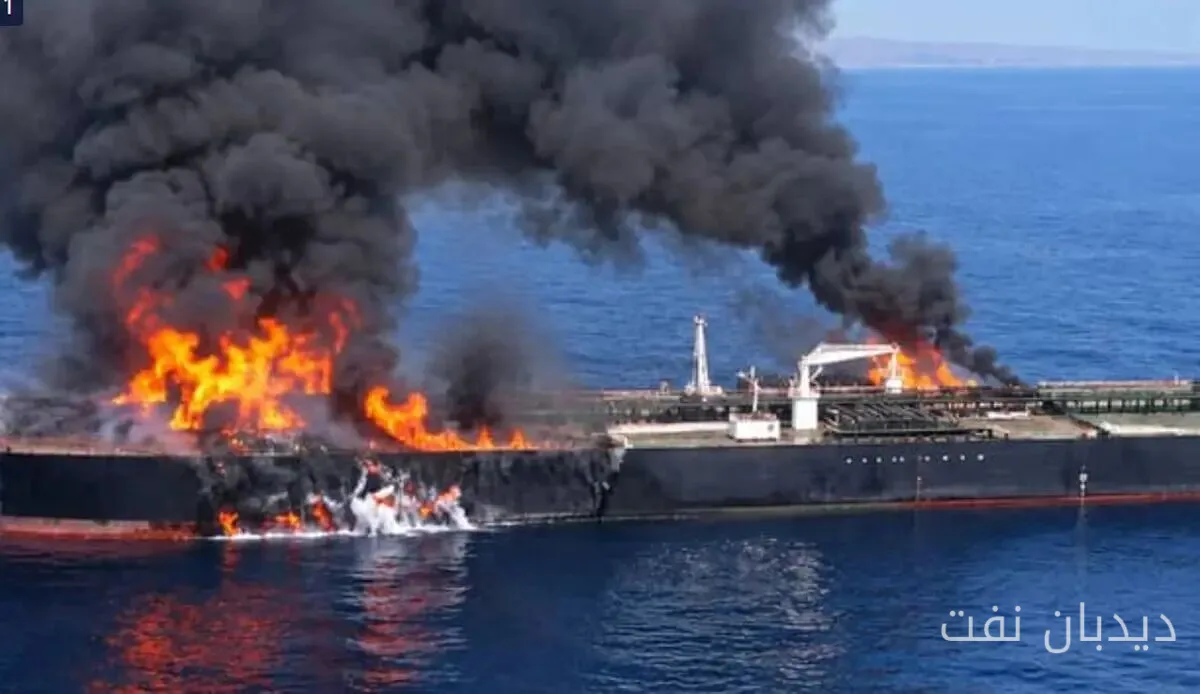
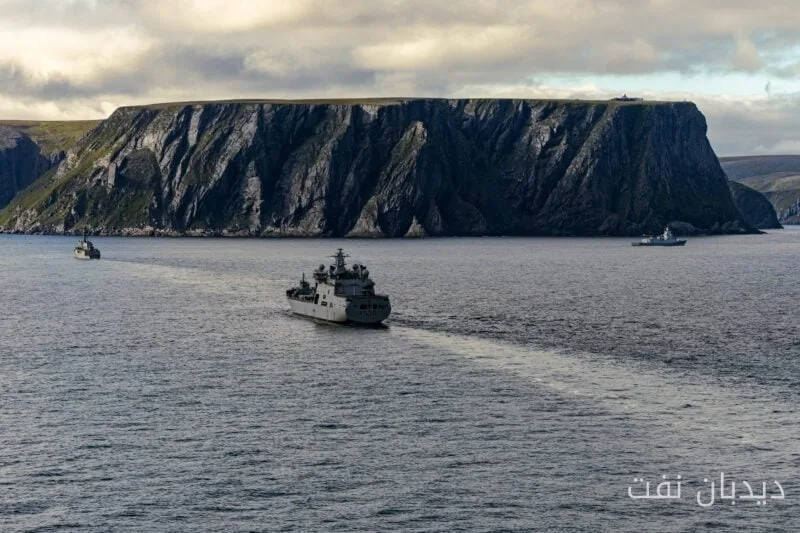
This change in wording has occurred due to pressures from Norway, which has strongly urged the EU to abandon its climate-based opposition to oil and gas exploration in the North. Last year, Norway granted five oil and gas exploration licenses in the Barents Sea, which is part of the Arctic, and opened 38 new blocks for exploration requests in 2026.
This Nordic country supplied nearly one-third of the EU's gas imports last year, which includes part of the new exploratory fields. Norway's oil and gas industry was deeply concerned that the EU would commit to not purchasing oil and gas from Norway's new polar fields.
Strategy Draft and Consequences
Instead, the new draft tells the EU that it will "prioritize renewable energy sources and hydrocarbons produced outside the Arctic." The European Commission has also stated that it will move towards establishing an international commitment to prevent further development of Arctic oil and gas resources or their purchase, provided that such activities pose a "threat to the Arctic ecosystem."
In 2021, the EU had stated that "based on minor bans on hydrocarbon exploration in the Arctic" in certain areas of the United States, Canada, and Greenland, "the EU is committed to ensuring that oil, coal, and gas remain in the ground, including in polar regions" and that it would work to create "a multilateral legal commitment to prevent any development of hydrocarbon reserves in the Arctic or adjacent areas and the purchase of such hydrocarbons."
The new draft also emphasizes that the EU is committed to keeping coal, oil, and gas in the ground, including in the Arctic, in line with its climate goals. This bloc has set a legal target to reduce greenhouse gas emissions by 90% by 2040 compared to 1990 levels.
Environmental groups have stated that the changes made in the draft do not signify a significant retreat from Brussels. An official from the 'Coalition for the Preservation of the Arctic Oil Drilling Ban' expressed that they believe the removal of the ban wording reinforces the key message regarding climate and added that "the EU is determined to keep fossil hydrocarbons in the ground."
The draft text also emphasizes the EU's opposition to deep-sea mining until scientific gaps are "satisfactorily filled." Norway approved seabed mining in 2024, although none of these activities have yet commenced.