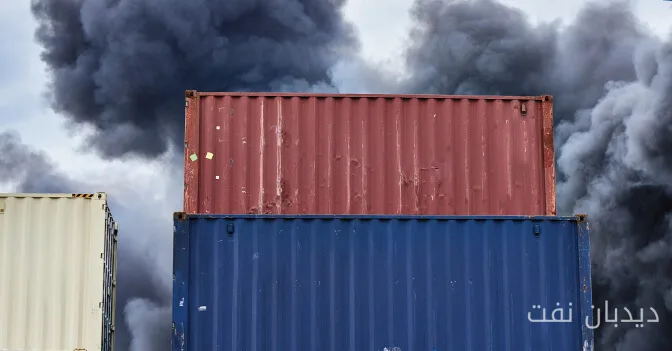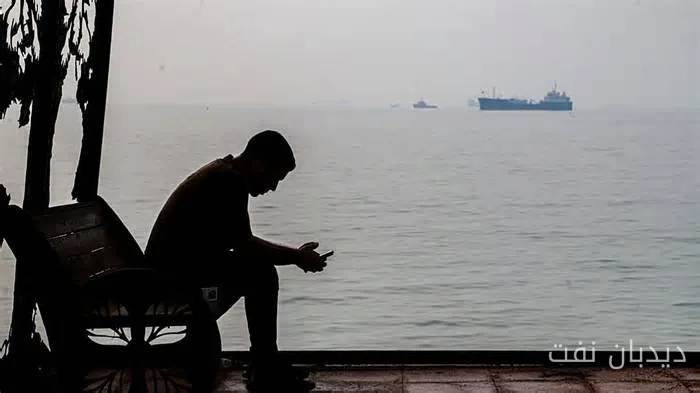
Iranian sailors are operating under difficult conditions in the southern waters of Iran. Since the beginning of the forty-day war, these individuals have faced serious challenges due to the U.S. naval blockade and military tensions in the region. In the previous twelve-day war, the aggressive presence of the U.S. was less evident, but in the past seven months, the situation has drastically changed, leading to a thirteen-day war in the southern regions of Iran.
The Impact of War on Navigation
Navigation in wartime has become a perilous endeavor. The naval fleet of the Islamic Republic of Iran no longer operates in the Persian Gulf and the Sea of Oman due to military threats, and only private commercial and service vessels continue their activities. This situation has created fear and uncertainty among sailors, as there is a possibility of U.S. naval forces attacking vessels.
Read more: The Growth of Mineral Exports from West Africa to China and Its Impact on the Cargo Ship Market
A former captain who is now the CEO of a maritime management company says about the situation of sailors: "In the war that began last March, many sailors lost their lives on the northwestern shores of the Persian Gulf and in Chabahar, but the media paid little attention to this issue. We lost about 95 sailors, including commanders, seamen, chief engineers, and cooks."
Naval Blockade and Traffic Restrictions
Another important issue is the naval blockade of Iran by the United States. According to this experienced sailor, currently about 60 percent of Iranian ships are unable to access foreign ports due to sanctions. Ships can only travel to Oman and the UAE and carry small cargoes. Under the current conditions, sailors have been forced to operate in the Caspian Sea, as this area has become more prosperous.
Hamed, the CEO of the maritime management company, adds: "Forty percent of sailors are refraining from going to sea in the south. Meanwhile, private companies, due to economic conditions, are reluctant to hire sailors for the long term and are signing short-term contracts."
Increase in Wages and Cargo Transport Costs
The decrease in the number of sailors in the southern waters of Iran has led to an increase in their wages. Hamed explains that sailors' wages have increased by 30 to 35 percent, and in some cases, such as tankers, this increase reaches 100 percent. For example, sailors receive between 50 to 80 million tomans, and captains earn between 1,200 to 4,000 dollars per month.
This wage increase is due to the hazardous conditions of navigation, but at the same time, the cost of cargo transport has also risen sharply, which has been detrimental to traders. Hamed points out that the cost of transporting cargo from Imam Khomeini Port to western ports has significantly increased due to these developments.
Read more: The Death of a Senior Officer in the Rescue Operation of a Container Ship in Brazil · An Iranian Oil Tanker Shipment Identified on the Sanctions Route