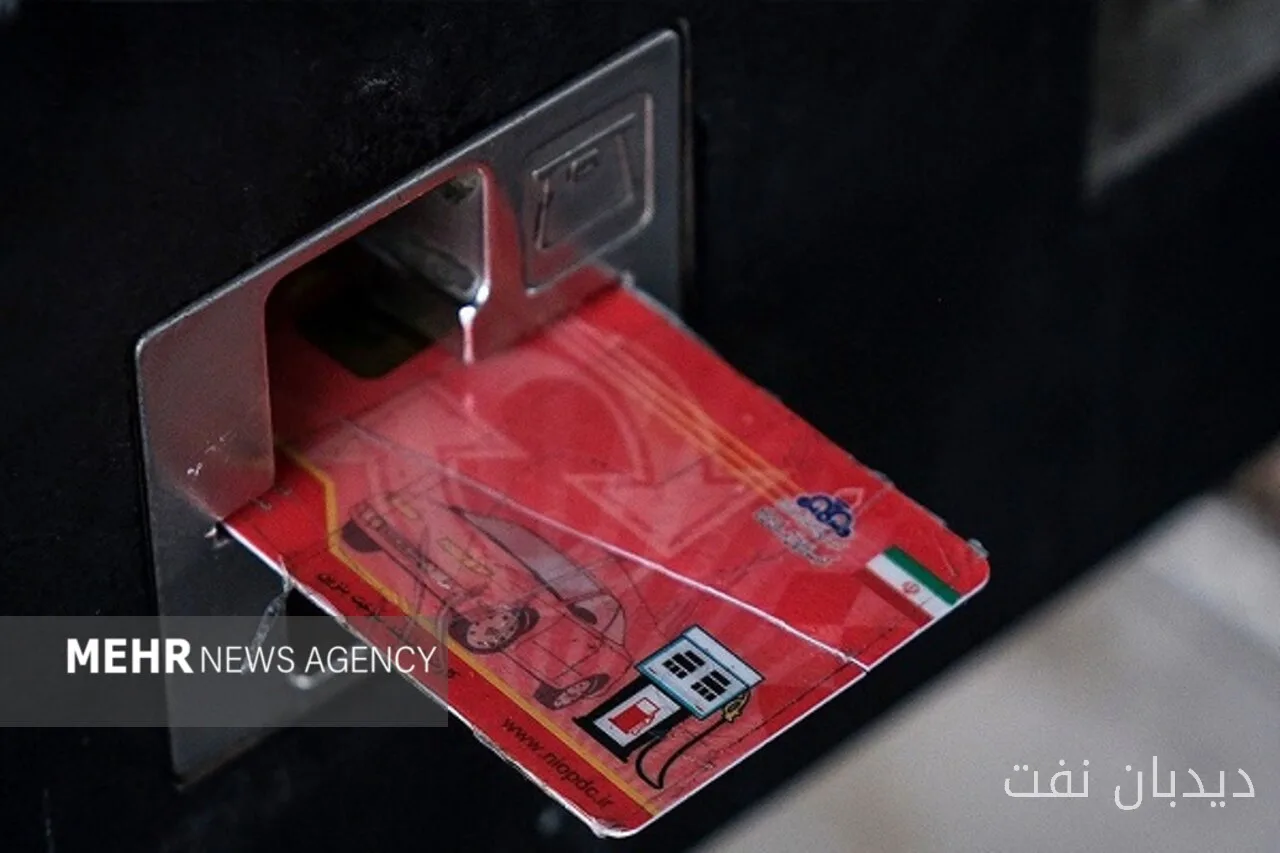
The Iranian government is seriously pursuing the plan to transfer fuel subsidies to bank cards in order to clarify the allocation of gasoline subsidies. This plan has been implemented at a time when the gasoline imbalance and the rising cost of fuel supply in the country have become a serious concern. Energy experts believe that merely changing the tool for allocating subsidies cannot alone address the issues arising from high consumption, smuggling, and fuel imbalance.
Details of the subsidy transfer plan
The transfer of gasoline subsidies from fuel cards to bank cards has recently entered the implementation phase, and the government has taken steps to provide the necessary infrastructure. The main goal of this plan is to make the subsidy allocation process clearer and to identify the real fuel consumers. At the same time, this plan does not necessarily mean the elimination of fuel cards, and new gasoline prices have been announced at 10,000 tomans since September 8.
Read more: Jafar Ghaem Panah: 30 million liters of smuggled fuel are monitored in the country
Critique and review of the impacts of changes
However, the main question is whether changing the allocation location of subsidies can resolve the gasoline imbalance or if the root of the crisis lies in other areas such as smuggling, high vehicle consumption, and inefficiency of the transportation fleet? Mohammad Javad Noufresti, an energy expert, points out that before implementing any policy, its objectives must be clearly defined, and the chosen tool must genuinely be able to reduce gasoline consumption.
He also notes that merely changing prices or reducing subsidies does not necessarily lead to reduced consumption and may put more pressure on households. In his opinion, if a subsidy is allocated to individuals and the possibility of trading it in the market is created, the consequences for the market and different social groups must be carefully examined.
Fundamental challenges of gasoline imbalance
One of the main arguments of supporters of transferring subsidies to bank cards is the reform of the subsidy distribution method. However, critics believe that this action alone will not increase gasoline production or stop smuggling. Noufresti states that combating smuggling should be one of the most urgent actions for managing fuel imbalance. Additionally, the development of CNG as an alternative fuel and reducing the production of fuel-inefficient vehicles could also be effective solutions to this crisis.
Now, with the advancement of the plan to transfer subsidies to bank cards and the increase in gasoline prices, decision-making about the future of gasoline has become a multifaceted issue. According to Noufresti, the government should, instead of solely focusing on pricing policies, engage in honest discussions with the public about the real dimensions of imbalance and the costs of excessive consumption.
Read more: Master Boat Builders has secured a contract to build three new vessels for the U.S. Navy · Hojjatoleslam and Muslims Reza Ranjpour Banab issued an order to seize 300 violating vehicles