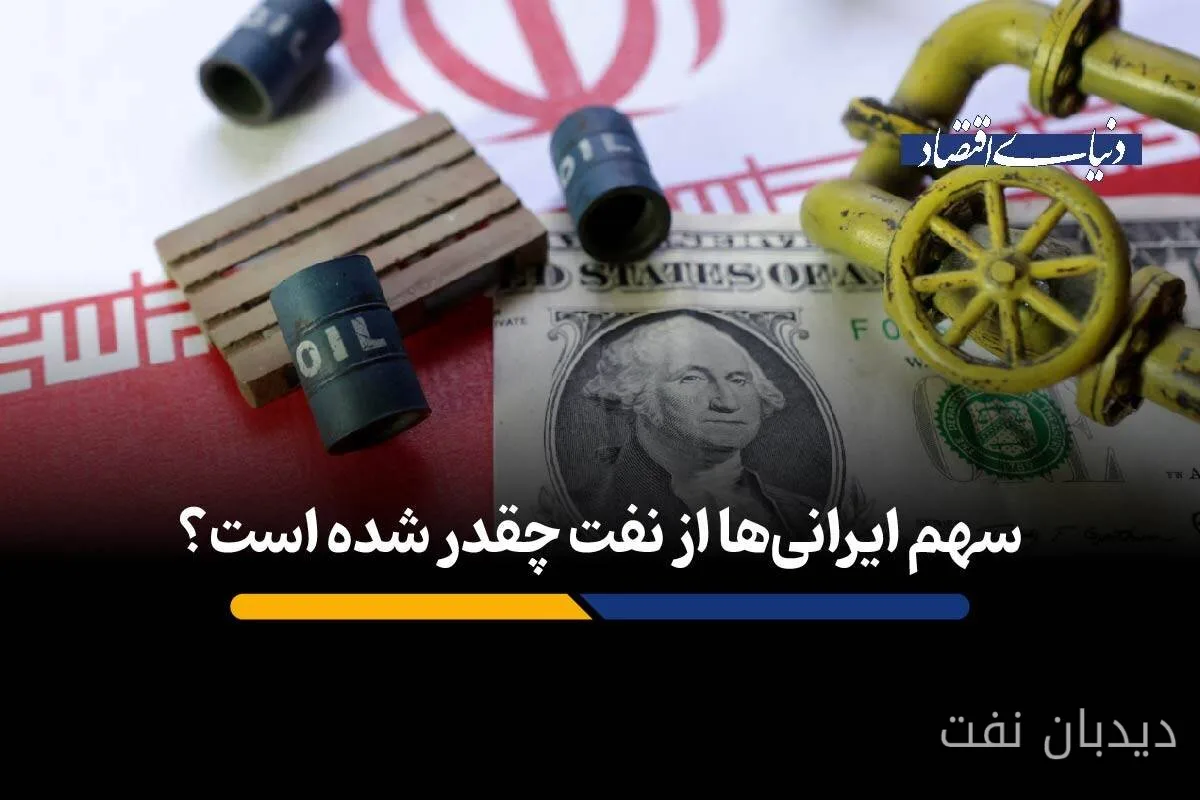
Each Iranian's share of oil revenues has reached the threshold of $40, while this figure was above $300 in the past. This reduction clearly indicates structural changes in Iran's economy and the way oil revenues have been distributed in recent years.
Examination of Oil Revenue Generation Periods
Reports indicate that Iran has been able to generate the highest oil revenues during two specific periods. In these two periods, rising oil prices and increased demand from countries led to an increase in Iran's oil exports and consequently, growth in oil revenues. However, over time and under the influence of sanctions and economic crises, this trend has changed.
Read more: Intensification of Gas Imbalance Ahead of Winter and the Need for Consumption Management
Reasons for the Decrease in Iranians' Share
There are several reasons for the decrease in each Iranian's share of oil revenues. One of the most important reasons is the sanctions and international restrictions that have severely impacted Iran's oil exports and limited the possibility of generating higher revenues. Additionally, poor management of oil revenues and economic corruption have also contributed to this reduction. In fact, despite substantial oil revenues, many Iranians have not benefited from this wealth.
In recent years, each Iranian's share of oil revenues has reached its lowest level, and this issue has fueled public discontent. It seems that the need for structural reforms in the economic system and the distribution of oil revenues is felt more than ever.
Read more: Analysis of the Growing Trend in Shipbuilding and Forecast of Delivery Crisis by 2028 · The Government Should Address Real Energy Issues Instead of Controversial Matters