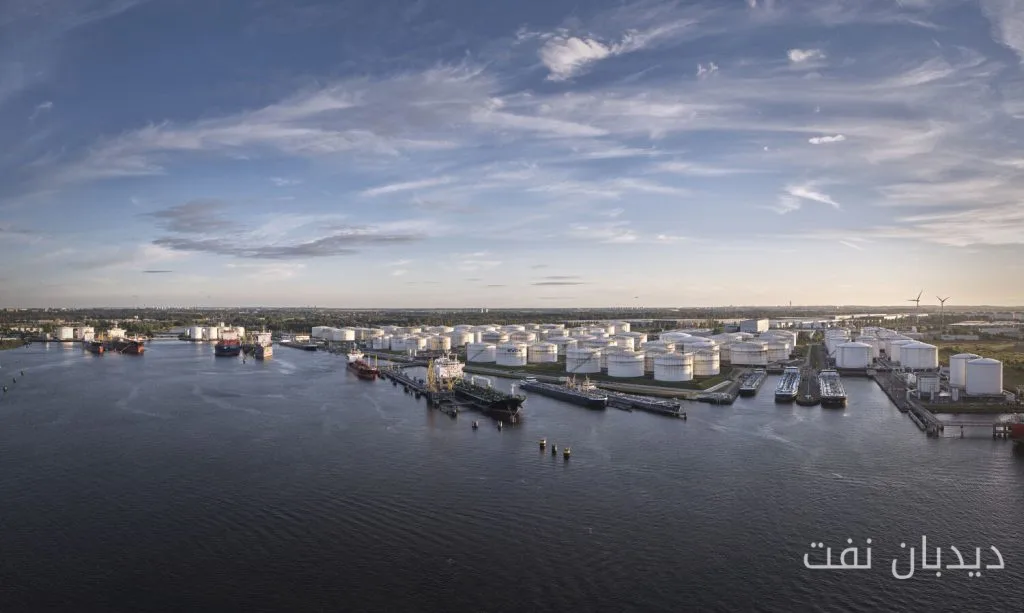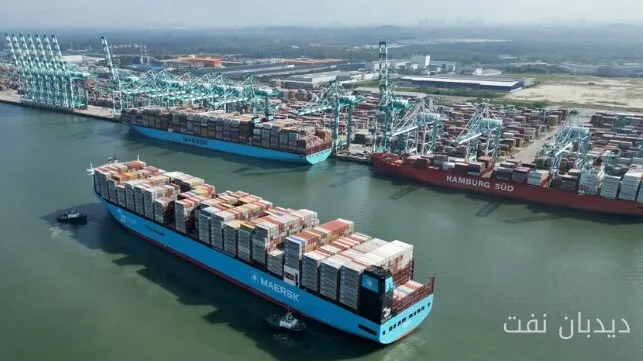
The global shipbuilding trend has significantly increased. According to recent reports, the ship order registration office has grown three and a half times since 2020, while workshop capacity has only increased by 30 percent. This situation sets the stage for an unprecedented delivery crisis in the next two years.
Significant Increase in Orders
A new maritime transport market report shows that the coverage of shipbuilding orders has increased from 1.4 years in 2020 to 3.7 years currently. Additionally, the volume of orders has reached 19 percent of the existing global fleet, a figure that was previously only 7 percent.
Read more: Formation of an Energy Headquarters in Kermanshah for Gas Consumption Management
These figures add new dimensions to the remarkable boom in the shipbuilding industry. According to researchers, the order registration office has reached a record of 226.1 million compensated gross tons (cgt), surpassing the previous record of 225.5 million tons set in September 2008. This is equivalent to nearly 700 billion dollars, with most of these orders concentrated in China, where workshops control 68 percent of current orders.
Challenges Ahead in Ship Deliveries
Reports indicate that workshops are registering more orders each year than they deliver. While production from active workshops has increased by 69 percent since 2021, current production only covers 86 percent of workshop capacity.
The problem is that the delivery line is becoming an unrealistic issue. High-performing workshops have now registered 164 percent of their capacity for 2028, making significant delays almost inevitable. Analyses show that approximately 78 percent of the registered tonnage is achieved in its planned year, while nearly one-sixth is pushed to later years, and about 5 percent is canceled.
Given historical delivery performance, planned production in 2027 and 2028 will occupy between 84 to 89 percent of global workshop capacity. It is estimated that 10 to 11 million tons of cgt from planned deliveries could be delayed each year from 2027 and 2028. If the delayed deliveries from 2027 are pushed to 2028, the workload for that year could reach about 60 million tons of cgt, equivalent to 107 percent of the existing capacity.
This situation will far exceed the planning of workshops. In the VLCC, suezmax, capesize, and large gas carrier sectors, even if all vessels over 20 years old are retired, we still cannot compensate for new orders. This is likely to put significant pressure on the value of older vessels.
At the same time, it is estimated that around 225 expansion projects for workshops are being pursued worldwide, with more than three-quarters of them located in China. The increase in workshop capacity in Asia was discussed at the recent maritime industry conference in Monaco.
According to experts, the increase in the number of new workshops and the revival of inactive workshops has raised concerns about the capabilities of some new workshops. Some manufacturers have requested that owners handle the supply of ship engines themselves.
Read more: Alireza Bina: Energy imbalance has reduced the planning power of industrialists · LD Armateurs has purchased three support ships for conversion into cable-laying vessels