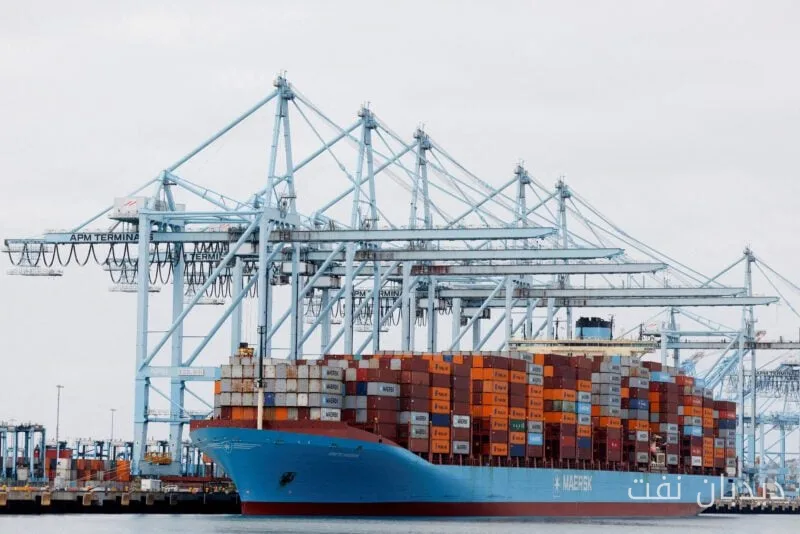
The extension of labor negotiations at the ports of Los Angeles and Long Beach for another two weeks, until November 20, 2026, has been announced. This decision was made by the union representing about 250 security workers at the busiest ports in the United States and aims to prevent disruption in the operations of these ports.
Details of the Negotiations and History of the Previous Contract
Negotiations for a new agreement began after the previous contract ended in July 2025. Local 26 labor union, along with the Pacific Maritime Association, has been regularly holding meetings to negotiate with the assistance of federal mediation services. These negotiations reached a critical stage after the union issued a strike authorization.
Read more: Ramazan Ali Sangdovini: Carrier Companies Help Manage Gas Imbalance
In recent dates, negotiations have been extended several times. These extensions initially lasted from November 1 to November 4 and then continued until midnight on Friday. The Pacific Maritime Association has stated that it is seeking to reach a fair agreement at the negotiating table that prevents disruption in port operations.
Potential Consequences of a Strike
If an agreement is not reached, a strike by security workers could lead to a halt in operations at the loading terminals that manage more than half of the United States' imported cargo. Officials at the Port of Long Beach have predicted that disruptions at the affected terminals could impact about 85% of the cargo passing through the Port of Long Beach and one-third of the cargo at the Port of Los Angeles. This comes as these ports set a record for cargo volume last month, jointly managing about one-third of the country's seaborne container goods.
The CEO of the Port of Long Beach, Noel Hasgaba, has expressed hope that the high volume of containers will continue until the beginning of the new year. He has predicted that the ports will remain busy at least until the end of the first month of the new year and possibly until the end of the first quarter. He also noted the growing demand for goods related to meeting the needs associated with artificial intelligence technology.
Ultimately, given the current sensitive situation and strike threats, there are serious concerns about the economic and operational impacts of these negotiations on the ports and the national supply chain. For this reason, continuing negotiations and reaching a sustainable agreement for both parties appears essential.
Read more: 6.4% Drop in A.P. Moller-Maersk Stock Value After Positive Financial Report · Kenya Announces $1.2 Billion Investment Plan for Port Privatization