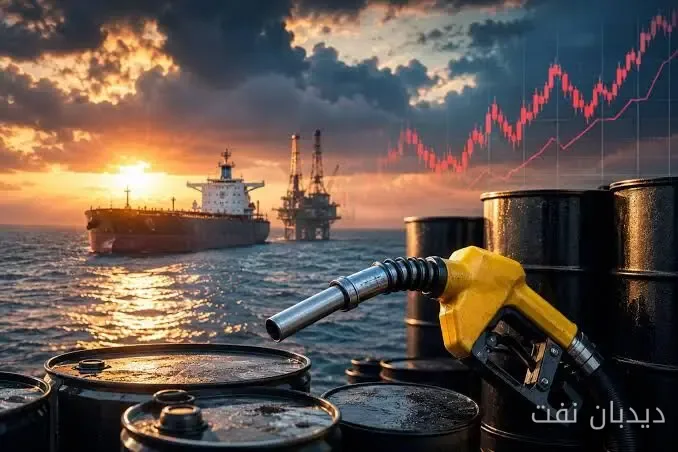
Masoud Pezeshkian, the President, has recently issued an order for remote work in offices due to the gasoline shortage. This decision has been made following ongoing challenges of energy shortages in the country and their impact on administrative and educational activities. The gasoline shortage, after shortages of gas, electricity, and water, has now emerged as a new reason for the closure and remote work of offices.
Details of the Remote Work Order
In a notification sent to executive agencies, Masoud Pezeshkian emphasized the necessity of saving fuel consumption by implementing the "Car-Free Day" initiative. According to this notification, executive agencies must plan for their employees to come to work on specific days of the week using public transportation. Additionally, managers are required to use incentive mechanisms to achieve this goal. Furthermore, all agencies must make the necessary arrangements for remote work for employees who can perform their duties remotely.
Read more: Masoud Pezeshkian's New Order for Remote Work of Government Employees and Fuel Consumption Reduction
Factors Affecting Gasoline Shortage
According to Mohammad Sadegh Azimi Far, Deputy Minister of Oil and CEO of the National Iranian Oil Refining and Distribution Company, since 2021, gasoline consumption in the country has increased by an average of about six percent annually. In contrast, since the operation of the Persian Gulf Star Refinery in 2017, no new refinery has been added to the country's refineries. This gap between production and consumption has pushed the country towards gasoline imports.
Azimi Far also mentioned fluctuations in production and consumption during different seasons and maintenance of refineries, reporting a daily shortage of about 10 million liters of gasoline. Thus, the government is trying to manage consumption and optimize the distribution of this vital commodity by making decisions such as implementing a three-tier pricing system for gasoline.
Economic and Social Impacts
Mandatory closures due to fuel shortages, especially in offices and schools, have inflicted heavy losses on the country's economy. Although these losses have not been precisely estimated, existing statistics indicate significant damages resulting from the energy imbalance crisis. Additionally, the gas shortage has repeatedly led to the closure of offices and schools in recent years and has impacted the production capacity of industries.
Despite having rich reserves of gas and oil, Iran is currently facing serious problems in energy supply. The gas imbalance has started since 2007 and is continuously increasing. According to the National Iranian Gas Company, the country's daily gas shortage has reached 400 million cubic meters in recent years. This concerning trend could lead to more severe crises in the future.
Read more: Ghaempanah: Upgrading Executive Management is Essential for National Development · Ali Ghaseminejad: Over 150 Megawatts of Solar Power Plants Have Been Established in the Country's Industrial Zones