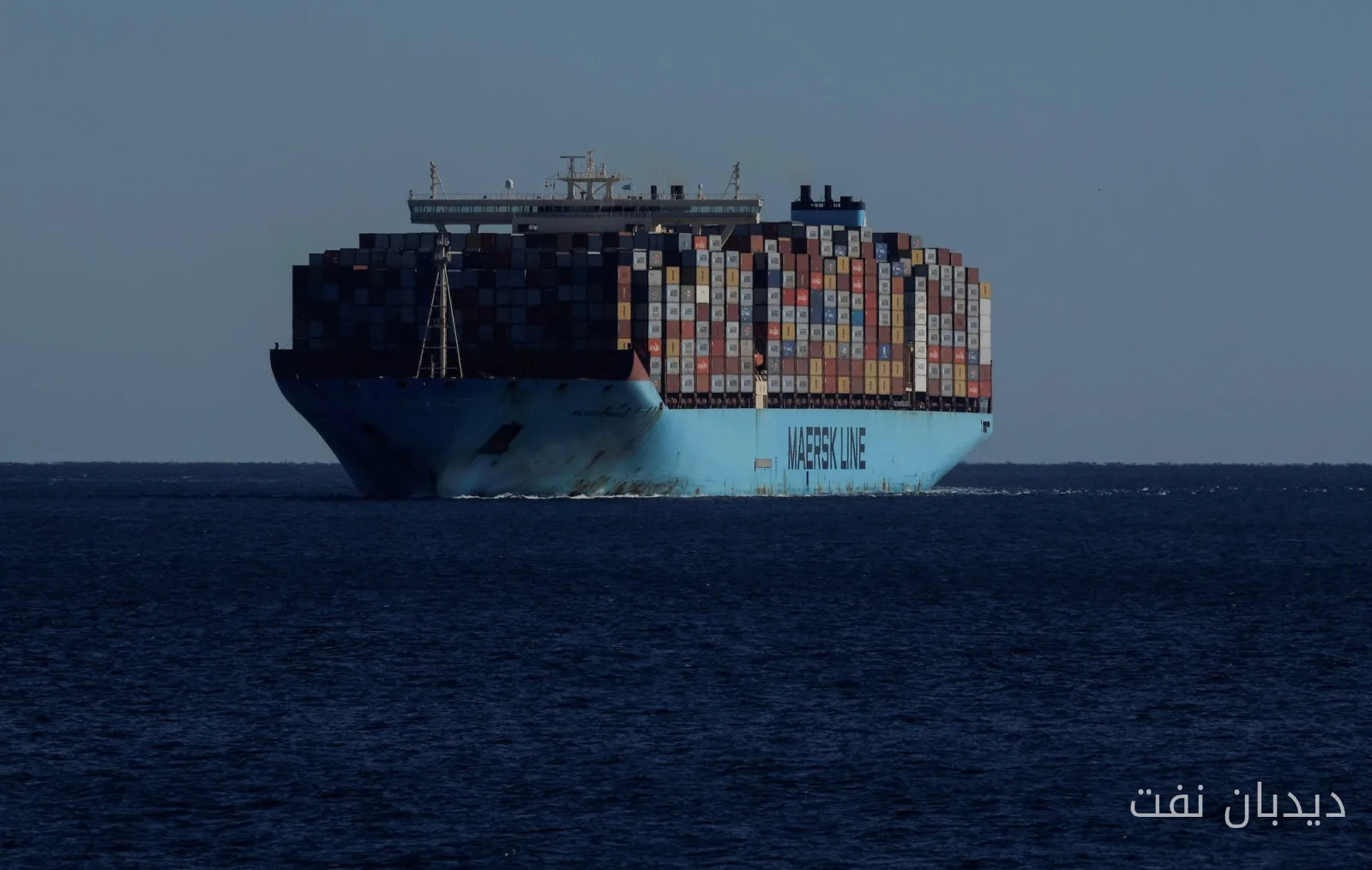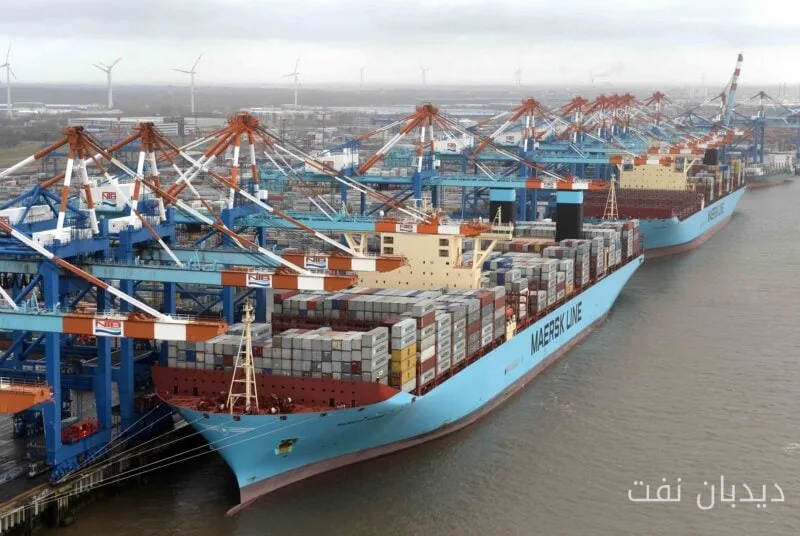
Maersk has updated its profit forecast for the current year due to high freight rates, steady demand for goods, and widespread disruptions in the supply chain. The Danish company now expects its underlying EBITDA to be estimated between $14 billion and $14.5 billion, an increase from the previous forecast of $10.5 billion to $12.5 billion.
Strong Performance in the Third Quarter
This update comes after a strong third quarter in which revenues increased by 27% compared to last year, reaching $18.1 billion. EBITDA also rose from $2.7 billion to $4.7 billion, and operating profit more than doubled to $3.3 billion.
Read more: Tehran Urban Management Prioritizes Fuel Consumption Savings
Maersk's maritime segment generated an operating profit of $2.6 billion, which is significant compared to $567 million last year. High freight rates have significantly compensated for a slight decrease in volumes. Vincent Clerc, CEO of Maersk, pointed to the growing demand for goods related to investments in electric infrastructure, energy, and artificial intelligence, adding that Maersk's fleet is operating at 96% capacity.
Existing Challenges and Analyst Feedback
However, the results have not surprised some analysts. SEB analysts noted that the profit update, while significant, has failed to meet the expectations of some buyers. The third-quarter EBITDA was $4.71 billion, which is below the bank's forecast of $5.56 billion and the analysts' consensus of $5.17 billion. Additionally, analysts argued that Maersk's performance has been relatively weak compared to its competitors.
Maersk's volumes have decreased by 0.8%, while its competitors such as Ocean Network Express and COSCO have seen increases of 4.5% respectively. The container market is entering the last quarter of the year with an increasing divergence between East-West trades.
Alphaliner's analyses indicate that transpacific trade generates about five times more revenue per nautical mile than Asia-Europe trade. Freight rates are currently at historically high levels, with Asia-West Coast U.S. rates at $8,340 per FEU and East Coast rates at $9,911.
However, early signs of a correction in rates are emerging. The latest Drewry global container index has decreased by 3% to $4,429 per FEU. Shanghai-Los Angeles rates have dropped by 6% and Shanghai-New York rates by 5%. Asia-Europe rates also show a more stable situation.
Drewry predicts that transpacific rates will come under more pressure as U.S. imports are expected to decrease by 11% in November. Companies are responding to these changes with empty trips, but the high volume of capacity stationed in the Pacific is increasingly difficult to absorb.
The long-term outlook may be more concerning. Reports indicate that the order book for container ships has reached 15.12 million TEU, which is equivalent to 43.9% of the existing fleet. A rapid return to the Suez Canal also poses a threat to the release of effective additional capacity.
Overall, while Maersk is benefiting from high freight rates and steady demand, significant challenges remain, including weak performance compared to competitors and future pressures in the market.
Read more: Farabi Solar Project Fund Reports Progress on Solar Power Plants in Sistan and Baluchestan · Christoph Toepfer Warns About Risks in the Maritime Transport Market