The Farabi Solar Project Fund reported significant progress in the implementation of two solar power plants with a total capacity of 40 megawatts in Sistan and Baluchestan province during its press conference. These power plants will be constructed in the regions of Mirjaveh and Khash and are expected to be operational soon.
Details of the Solar Projects
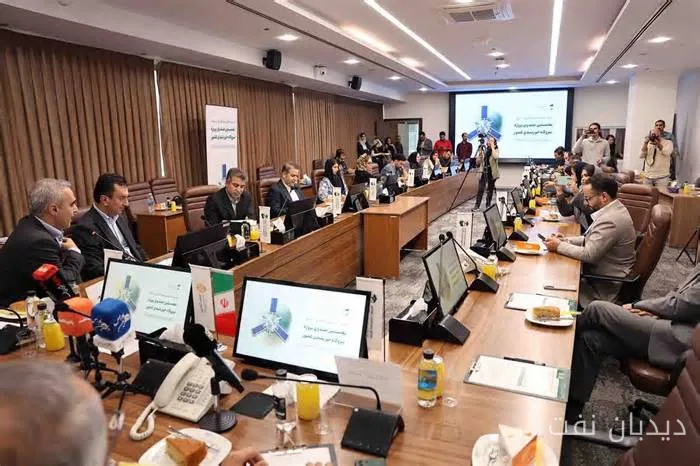
Hossein Naraghi, Chairman of the Board of the Solar Project Fund, announced at this meeting that the process of establishing and obtaining the necessary permits for these projects took about a year. According to him, the construction operations for the Mirjaveh power plant have begun, and the installation of structures is underway. It is anticipated that this power plant will be operational by June 2027. Additionally, the Khash project is also being executed with a short time gap, and its operation is expected in August of next year.
Financing and Tax Exemptions
Naraghi explained about the financing of these projects, stating that the total required resources are estimated to be around 3 trillion tomans, of which 1 trillion tomans has been secured in the first phase of subscription. He also pointed out the economic advantages of the project, mentioning that these two power plants are located in underprivileged areas and will benefit from 13 years of tax exemption.
Moreover, Mohammad Amin Zangeneh, Secretary of the Renewable Energy Association of Iran, analyzed the state of the country's electricity industry during this meeting and identified the energy imbalance as the main factor driving demand for renewable electricity. He noted that in the summer, the electricity imbalance in the country reaches about 15,000 megawatts, prompting industries to move towards purchasing renewable electricity.
Outlook for the Projects and Economic Impacts
Naraghi continued by mentioning the selection of the Mirjaveh and Khash regions due to the amount of sunlight and proximity to electrical substations, emphasizing that utilizing the capacity of local people has been one of the principles of this organization’s activities. He also referred to the training of local forces, stating that this initiative could help develop specialized skills and create sustainable employment in the region.
The CEO of Farabi Fund Management also referred to the expected return rate of the Solar Fund, estimating it to be in the range of 50 to 60 percent in rials and about 20 percent in dollars. Given the upward trend in electricity consumption and energy supply constraints, the green electricity market is expected to continue to have significant capacity.