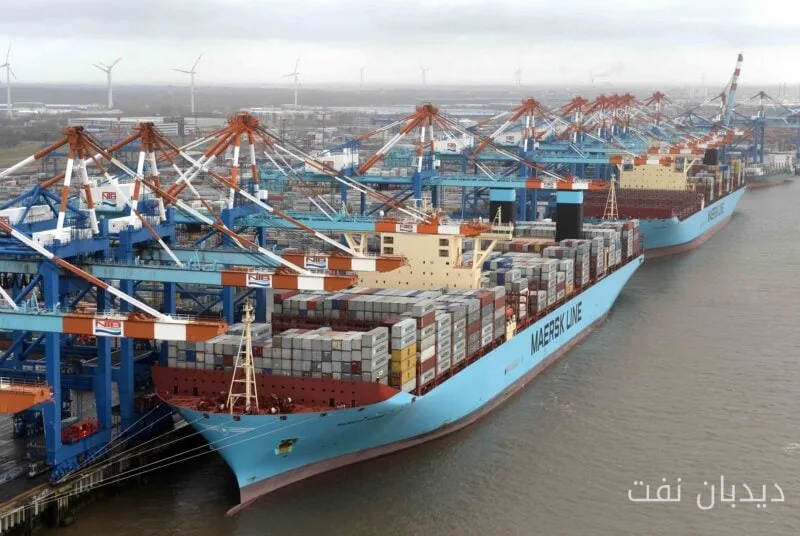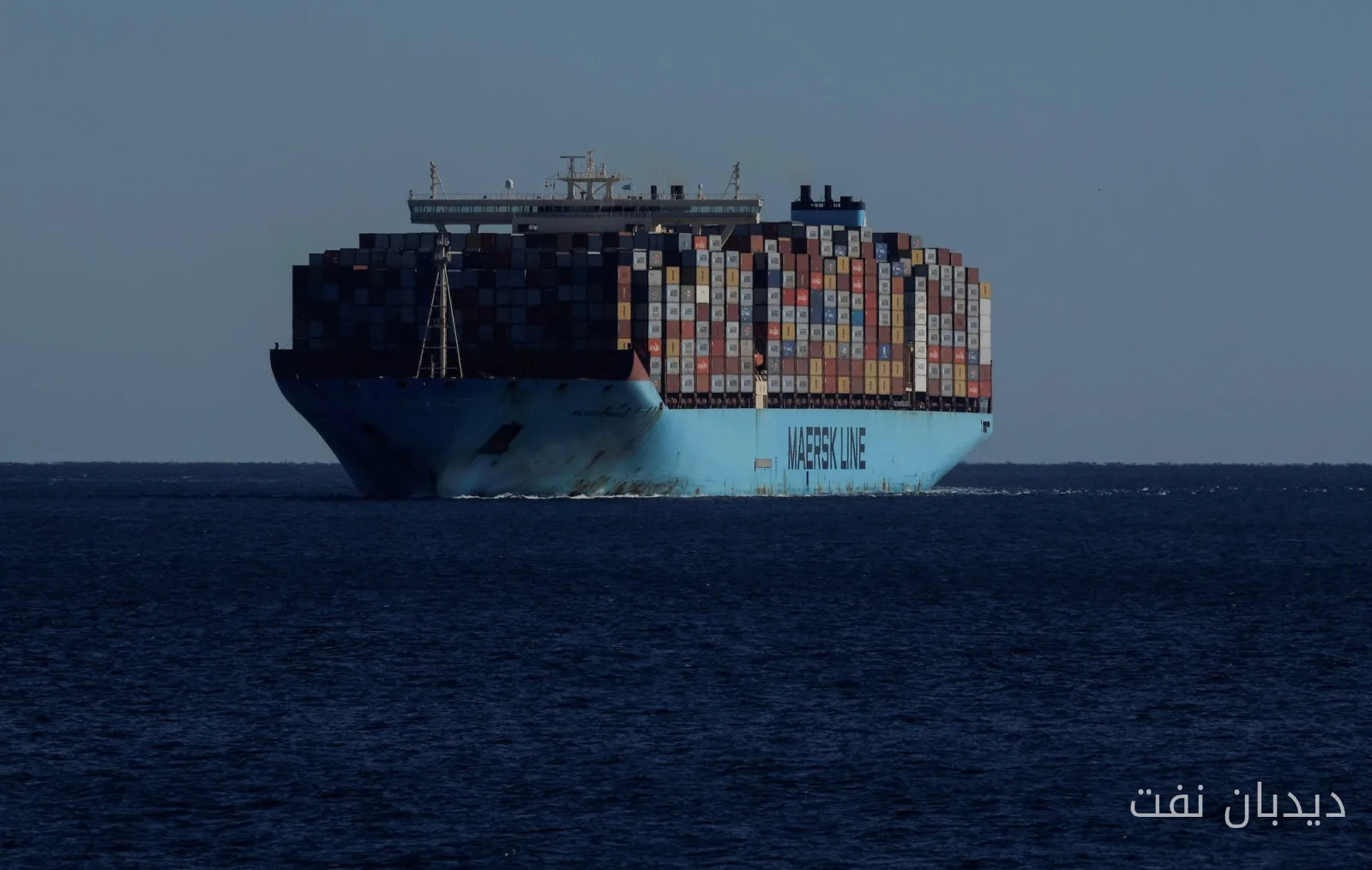
Maersk (A.P. Moller-Maersk) emphasized its continued large-scale plans for tanker orders, announcing in its third-quarter earnings report that it has ordered 26 LNG dual-fuel tankers with a total capacity of nearly 484,000 TEU.
Order Details and Delivery Timeline
This Danish company referred to its new orders as a significant commitment to modernizing its fleet, while the shipping industry continues to invest in larger and more fuel-efficient vessels. Each tanker will have a capacity of 18,600 TEU, and the delivery of these ships is scheduled for the years 2029 and 2030. This order, first confirmed in September, is equivalent to approximately 10% of the company's existing operational fleet.
Read more: Inauguration of the Lahijan Power Substation Development Project with a Budget of 650 Billion Tomans
Fuel Strategy and Future Challenges
Maersk has previously been recognized as a prominent supporter of methanol fuel, but it is now moving towards a broader fuel strategy and showing more attention to LNG propane. The company also announced an order for 20 dual-fuel tankers with a capacity of 300,000 TEU in 2024. These vessels are equipped with dual-fuel liquid gas engines and represent a significant step in the development of alternative fuel fleets.
Maersk believes that energy transition in maritime transport requires multiple fuel pathways, and LNG engines can operate on conventional marine fuels or liquefied natural gas. This flexibility becomes increasingly important as shipowners face uncertainties regarding fuel availability, costs, and future greenhouse gas emission regulations.
While LNG orders are on the rise, this raises questions about the capacity of future fleets. Maersk has previously stated that the company's fleet renewal strategy is primarily aimed at replacing older ships rather than permanently expanding overall capacity. Therefore, the ultimate impact on fleet size depends on the rate of retirement or return of existing ships to charter owners.
This new order comes at a time when Maersk's ocean segment has benefited from a severe shortage of vessels, port congestion, and rising freight rates. The company's operating profit in the third quarter increased to $2.6 billion, sharply rising from $567 million last year, and fleet utilization has reached 96%.
For Maersk, the challenge is to balance this strong short-term market condition with a shipbuilding period that will bring significant capacity into service. Given that the first ship from this order of 26 tankers will not enter service until 2029, these orders can also be seen as a bet on the shaping of the container shipping market in the 2030s.
Read more: Fada Hossein Maleki: Lifting Fueling Restrictions for Vehicles in Sistan and Baluchestan in Kerman and South Khorasan · BG Shipping Secures Four Ultramax Tankers in a Leasing Contract with Suyin Financial Leasing