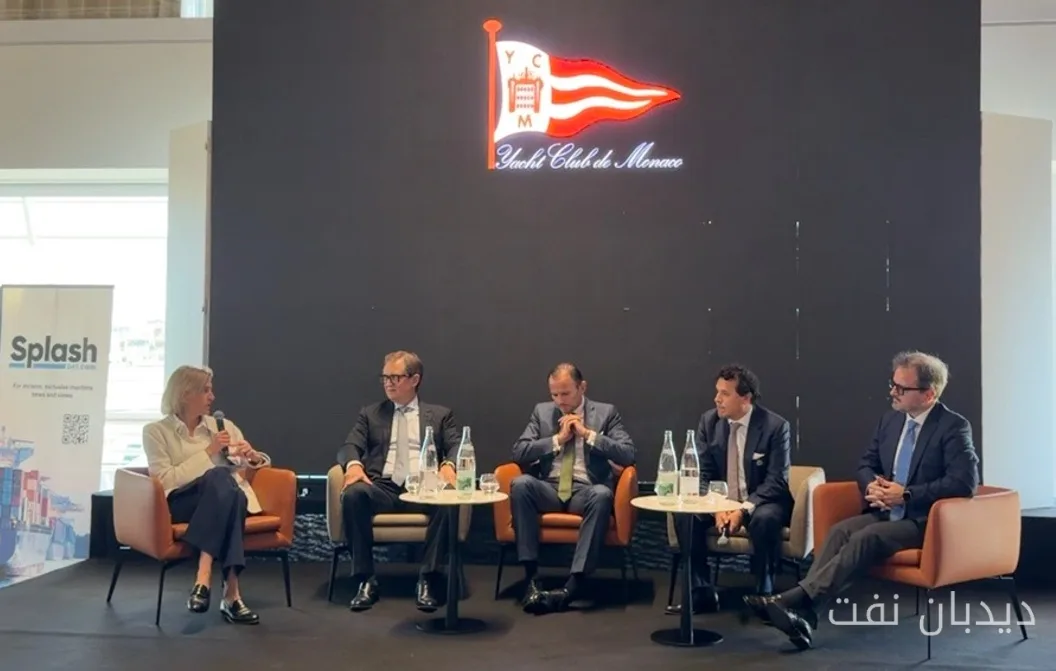
Christoph Toepfer, CEO of Borealis Maritime, warned about the unstable state of the maritime transport market during the Money and Ships session of the Maritime CEO Forum held at the Yacht Club de Monaco. He stated that the transport industry is in a "borrowed time" and that geopolitical tensions and trade disruptions have artificially increased the demand for ton-mile.
Analysis of the Current Market Situation
Toepfer emphasized that although demand is currently high, resolving geopolitical crises could quickly lead to a decrease in demand. He advised investors to be cautious and to avoid investment decisions that may be risky.
Read more: Carnival Corporation prioritizes fleet optimization strategy
In this session, Andy Dacy, CEO and CIO of JP Morgan Asset Management's Global Transportation Group, offered differing views and predicted that the transport market could continue in good condition for another 12 to 18 months. He pointed to the high number of ships delivered between 2004 and 2012, which will approach recycling age in the coming years, potentially helping to balance the market.
Review of the Market's Future and Challenges
Carlos Pena, CEO of CTM, expressed concern about the current assessments of tankers and suggested that owners should sell VLCCs at today's high prices and invest in the dry bulk sector, which has yet to reach equivalent revenues. These discussions highlighted significant differences in defining success in investment.
Massimo Giovannini, managing partner of TST Group, also emphasized the importance of paying attention to market cycles, citing his past investment decisions, particularly the decision not to purchase Handysize ships in 2014 due to poor market conditions.
Despite predictions for another recession, panelists disagreed on the likelihood of a real financial crisis in the maritime transport industry. Toepfer believed that strong balance sheets, abundant liquidity, and low borrowing ratios would prevent a widespread crisis. He also noted that listed companies might offer more discounts compared to private ships in the future.
Dacy approached the topic more cautiously, predicting that a recession would occur within the next five years. He pointed out that reduced borrowing needs have protected the industry from increasing competition for capital.
Pena also emphasized that financing for attractive projects is still available but advised newcomers to gain experience before investing at current prices. Additionally, panelists highlighted challenges arising from protectionism, the potential Taiwan crisis, and new custom orders as major threats.
Read more: The transformation of the marine fuel market in the U.S. is entering the implementation phase · CVC DIF purchased a major stake in the Cernaval ship repair yard in Spain