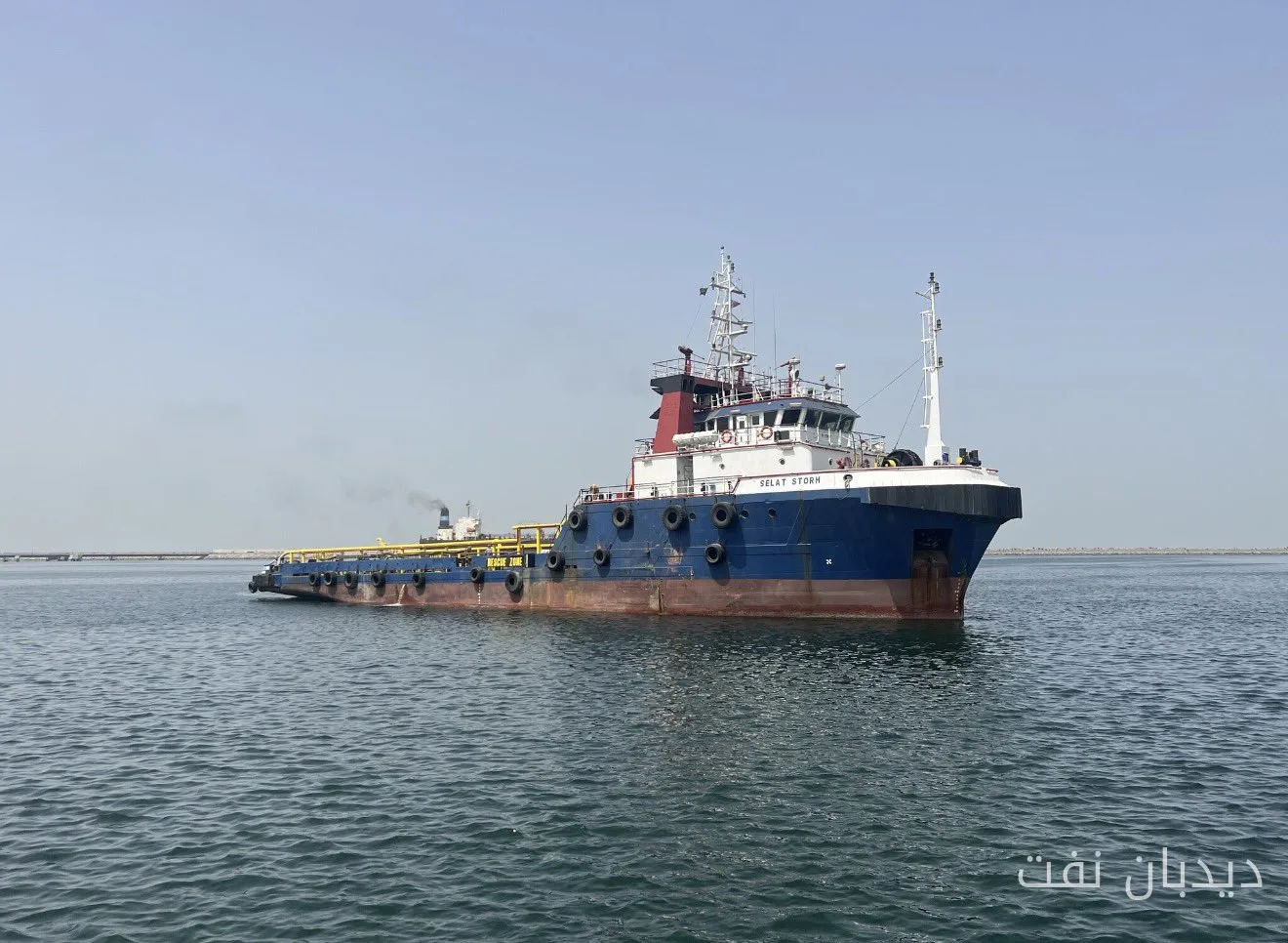
The Emirati oil tanker Selat Storm (Selat Storm) was damaged on Sunday due to an attack by a project cat in the Strait of Hormuz. The incident occurred at 15:00 UTC in the northwest of the Musandam Peninsula. According to reports, this vessel, recognized as a service and supply ship, weighs approximately 1,300 tons and had recently departed from the port of Al Hamriya in the United Arab Emirates.
Details of the Incident and Ship's Condition
After receiving an emergency (Mayday) call from the ship's captain, information was relayed to the relevant authorities. Reports indicate that Selat Storm is in a "semi-sunken" condition. The status of the crew has not yet been reported. This marks the second potential attack on a service vessel in the Strait of Hormuz since October 18, when a project cat struck the Dutch tanker JIF Barracuda. These incidents highlight the dangers present in this narrow waterway for all types of vessels.
Read more: Marine fuel market transformation in the US reaches implementation stage
Attacks on Energy Vessels
Additionally, Iranian forces attacked a liquefied natural gas (LNG) carrier associated with a friendly country. Pakistani sources and security advisors have confirmed that one of the energy vessels targeted on Friday was the Al Mayeda (IMO 9397298), which is owned by Qatar and was carrying gas for energy suppliers in Pakistan. This ship had received safe passage clearance from "authorities" in Iran just hours before the attack. However, its accommodation section was targeted by an unidentified project cat around 18:00 UTC.
Despite the explosion and fire resulting from this attack, reports indicate that the crew of the Al Mayeda is safe. The AIS signal of this vessel disappeared about two hours after the attack and has not returned to tracking, but security sources have reported that the ship was able to turn back and leave the area. The ship's operator, Nakilat, stated in a stock exchange announcement that the vessel is in a "safe and operational condition."
Security Implications and Reactions
These attacks on oil tankers indicate an expansion of Iran's attack range from the Strait of Hormuz to areas that are less protected by American forces. In a statement following the attack, the Secretary-General of the Gulf Cooperation Council, Jasem Mohammed Al-Budaiwi, stated that targeting energy tankers is a "dangerous escalation" that undermines regional security and called for "accountability for the perpetrators of this heinous attack."
According to a list prepared by Martin Kelly from the EOS risk group, other vessels that were targeted on Thursday and Friday included VLCC Arnazah (IMO 9928023), Suezmax Riti (IMO 9249075), Suezmax Louise 1 (IMO 9290323), and product tanker Stone (IMO 9380362), which was stopped by the Islamic Revolutionary Guard Corps Navy and returned without damage.
Read more: Development of home solar power plants as an energy security solution · Attack on Qatari gas carrier near the Strait of Hormuz