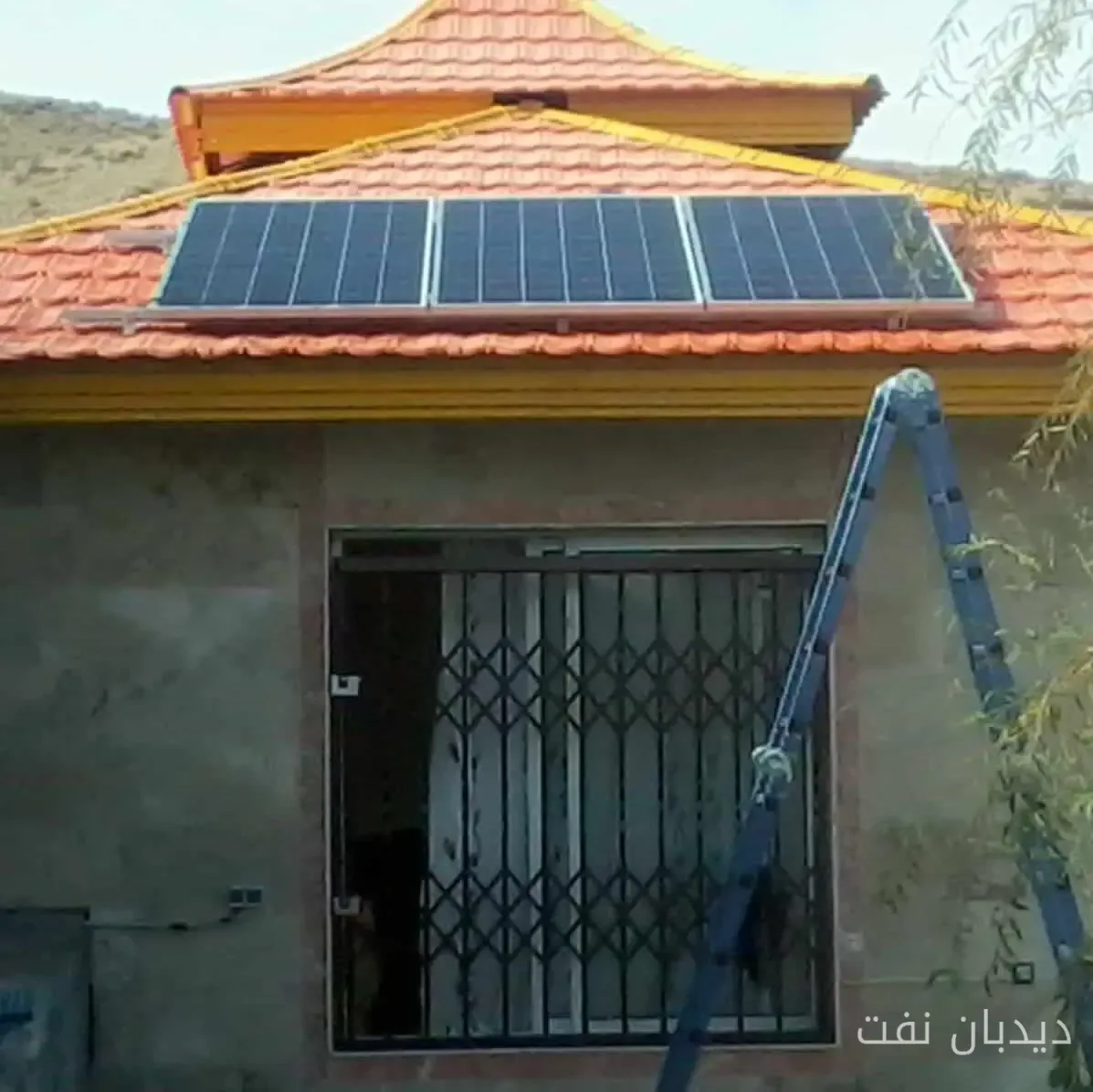
The development of home solar power plants is considered an effective solution for strengthening the country's energy security and reducing dependence on centralized electricity infrastructure. This approach allows households to generate electricity independently from the grid and gradually move towards a more diverse energy mix.
The Necessity of Diversity in the Energy Mix
Energy imbalance in Iran has become a serious problem that manifests itself during the cold and hot seasons of the year. In the cold months, household gas consumption peaks, and in the summer, there is a high cooling load on power plants. This situation has significantly increased the need for diversification in electricity generation sources.
Read more: Holding a workshop on anti-piracy by the ReCAAP Information Center
The development of home solar power plants as a solution can help reduce dependence on large, centralized, and vulnerable power plants. These plants can generate electricity at the point of consumption, thereby reducing pressure on the electricity transmission and distribution network.
Advantages of Home Solar Power Plants
One of the most important advantages of home solar power plants is the increased resilience of energy infrastructure. In situations where centralized infrastructure can easily be vulnerable to threats, small-scale and distributed electricity generation reduces this vulnerability. Each home can meet part of its electricity needs through solar systems and, instead of complete dependence on the national grid, have an independent source of generation.
This approach also gives households the opportunity to have independent energy during critical times, such as power outages, thus improving their quality of life.
Sohail Mahmoudian, an energy expert, has emphasized that the development of home solar power plants should be considered a strategic priority in the country's energy planning. This priority can simultaneously enhance energy security, resilience against attacks, and household income generation.
Achieving this goal requires the formulation of a comprehensive program for expanding solar systems, developing electricity storage solutions, providing financial support to households, and standardizing equipment. In this way, it can help reduce dependence on centralized infrastructure and increase the resilience of the country's critical infrastructure.
Read more: The Persian Gulf reached 24 million barrels of oil per day amid sanctions and conflicts · SEFE Germany signed a two-decade LNG supply contract with the Ksi Lisims project in Canada