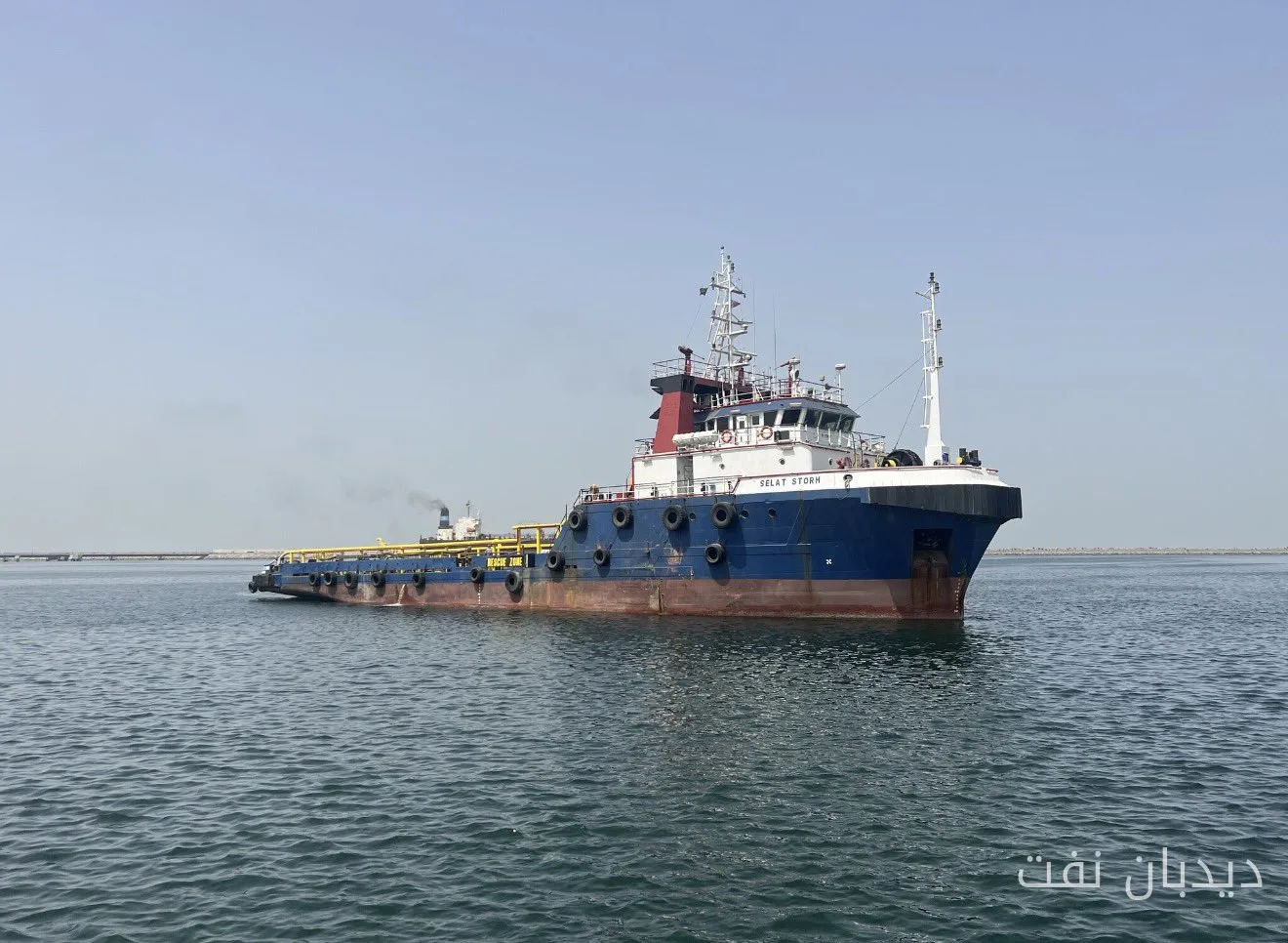
Argentina has filed a new legal challenge against the Sea Lion oil project initiated by Britain in the waters north of the Falkland Islands (Malvinas). This oil project has granted exploitation licenses to Navitas Petroleum and Rockhopper Exploration and is located in an area of 541 square kilometers approximately 107 nautical miles north of the islands.
Details of Argentina's Legal Challenge
Argentina's legal challenge is based on the United Nations Convention on the Law of the Sea (UNCLOS) and is two-phased. The first phase involves requesting provisional measures from the International Tribunal for the Law of the Sea (ITLOS) based in Hamburg, which will hold sessions on November 10 and 11, 2026, and a decision in this phase is expected soon.
Read more: U.S. Treasury Secretary: Maritime traffic in the Strait of Hormuz has returned to previous levels
Argentina's claim is related to UNCLOS but fundamentally revolves around territorial disputes over the Malvinas Islands. These disputes stem from the European settlement of areas in South America, with Britain establishing a base on these islands in the 18th century and then leaving. Since then, Britain's permanent presence in the eastern and western Malvinas has continued.
Consequences and Challenges
Argentina claims that Britain's oil exploration licenses were issued illegally under UNCLOS and that this project will have environmental impacts and cause damages. However, if Britain's sovereignty over the islands is proven, the Sea Lion activity will be legal, which could lead to the dismissal of Argentina's claim in the early stages.
Argentina is well aware of the challenges present in this matter. The International Tribunal for the Law of the Sea rarely interprets its jurisdiction narrowly and usually examines the cases presented to it. However, in this dispute, if Britain proves sovereignty over the islands, this could turn in their favor.
Argentina's presence and stance in this case may be somewhat related to domestic political impacts and nationalist sentiments ahead of the 2027 presidential elections. Additionally, there is a possibility of U.S. intervention due to dissatisfaction with Britain's insufficient support in global crises. These developments could affect the legal proceedings and outcomes of this case.
Read more: IRGC Navy captures American spy drone west of the Strait of Hormuz · Navitas seeks new contractors for Sea Lion project amid Argentina's sanction threats