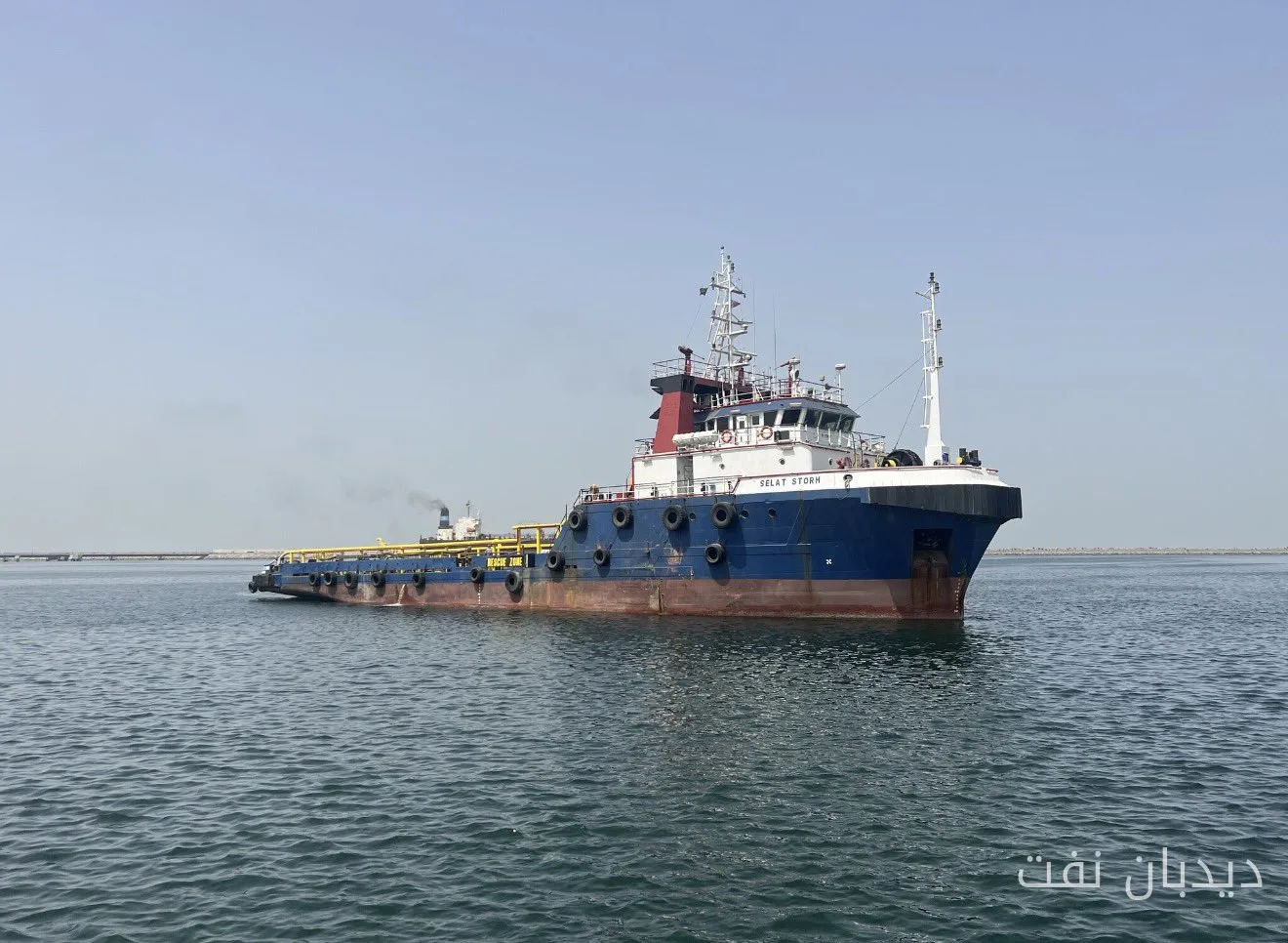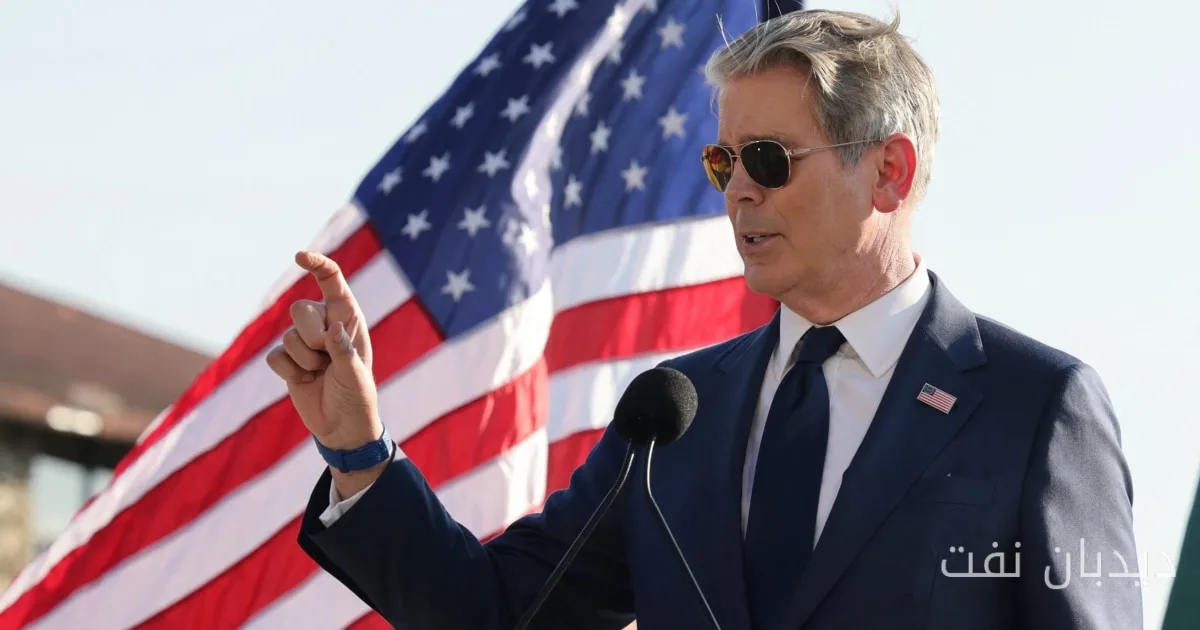
Scott Basset, the U.S. Treasury Secretary, announced on Saturday, November 9, 2023, that the level of maritime traffic in the Strait of Hormuz, excluding Iranian oil shipments, has returned to pre-conflict levels. He added, "The world can continue to operate without Iranian oil, but Iran cannot survive without oil exports." These statements come as oil sanctions have put pressure on Iran's exports.
Discussions on the Mecca Defense Pact
On the same day, Syrian Foreign Minister, Asaad Al-Shibani, referred to discussions regarding his country's accession to the Mecca Defense Pact. He stated at the Manama Dialogue in Bahrain, "Currently, discussions are underway to assess Syria's entry into the Mecca coalition." The Mecca Pact, signed on August 7 between Saudi Arabia, Turkey, and Pakistan, allows all member countries of this coalition to assist each other in the event of an armed attack.
Read more: Omid Shakri: A new military conflict may bring a difficult winter for Iran
Increase in Maritime Attacks and Tensions
The UK Maritime Trade Operations reported that 35 attacks on ships occurred in the Persian Gulf and the Strait of Hormuz in October. This number of attacks makes October the worst month for maritime attacks in the region, with 144 attacks recorded in the Strait of Hormuz, Gulf of Aden, and the Sea of Oman since the start of the U.S. and Israeli war against the Islamic Republic on February 28, 2025. This increase in attacks comes as the passage of ships through the Strait of Hormuz is gradually increasing.
Iranian domestic media have claimed that Mojtaba Khamenei, after the death of his father, demanded an immediate and effective response to threats during a meeting with senior military commanders. These claims arise while Qatari mediators are attempting to establish a new agreement between Iran and the U.S. Meanwhile, the Egyptian Foreign Minister has also expressed concern over the escalation of wars, deeming it more devastating than the previous round.
Impact of Sanctions on the Energy Market
New data from the European Union's statistics center shows that gas prices in the EU decreased in the first six months of 2026. Nevertheless, the Islamic Republic is attempting to disrupt gas exports from Qatar and the UAE through attacks on ships. Prior to the disruptions in the Strait of Hormuz, Qatar had a less than 4% share in the EU's gas consumption.
Recent developments in the Middle East and the increase in tensions in the Strait of Hormuz indicate the direct impact of sanctions on the energy market and the security situation in the region. Given the security threats and economic sanctions, the future of Iran's oil exports and business opportunities in this region have been overshadowed.
Read more: The impact of the IMO vote on carbon costs in maritime transport · Brent oil price reached $116; sanctions and security concerns in the Strait of Hormuz are influential