Navitas, which manages the Sea Lion development project alongside its partner, Rockhopper Exploration, has provided information regarding the replacement of contractors and the progress of oil development in the Falkland Islands. This announcement follows a recent speech by Javier Milei, the President of Argentina, who emphasized the Argentine government's efforts to sanction individuals involved in the Sea Lion project and other activities in the Falkland Islands.
Impact of Sanctions and Contractor Replacement
Navitas announced that it will continue to develop the project with the full support of the Falkland Islands government and the British government. The company stated: "The Argentine government continues its efforts to sanction individuals involved in the Sea Lion project." In this context, Navitas informed the media that one of the contractors associated with the project has announced that it will refrain from working on the Sea Lion project and oil exploration and production activities in the Falkland Islands region.
Read more: Oil exports from the Strait of Hormuz set a pre-war record in September
Challenges and Need for Replacement
According to the information provided, Navitas is working on replacing two non-compliant contractors and will continue to adjust the project accordingly. The company does not expect the sanctions to have a significant negative impact on the project at this stage. However, if there are delays or failures in replacing contractors or implementing necessary adjustments, negative impacts may arise. Additionally, if other contractors also refrain from operating in the Falkland Islands region and suitable replacements are not found, this could pose challenges.
Navitas also noted that there could be further negative impacts if the Argentine government's activities escalate and legal and geopolitical changes occur, which would affect the legal and commercial assessments of the company and its advisors.
Following the final investment decision (FID) and the financial closure of the project, the need for post-FID financing of $1.8 billion until the first oil production is estimated. While the total requirements to complete the project are estimated at around $2.1 billion, Navitas has signed a memorandum of understanding (MOU) for an additional FPSO named OSX-1, which will increase production capacity to 125,000 barrels of oil per day.
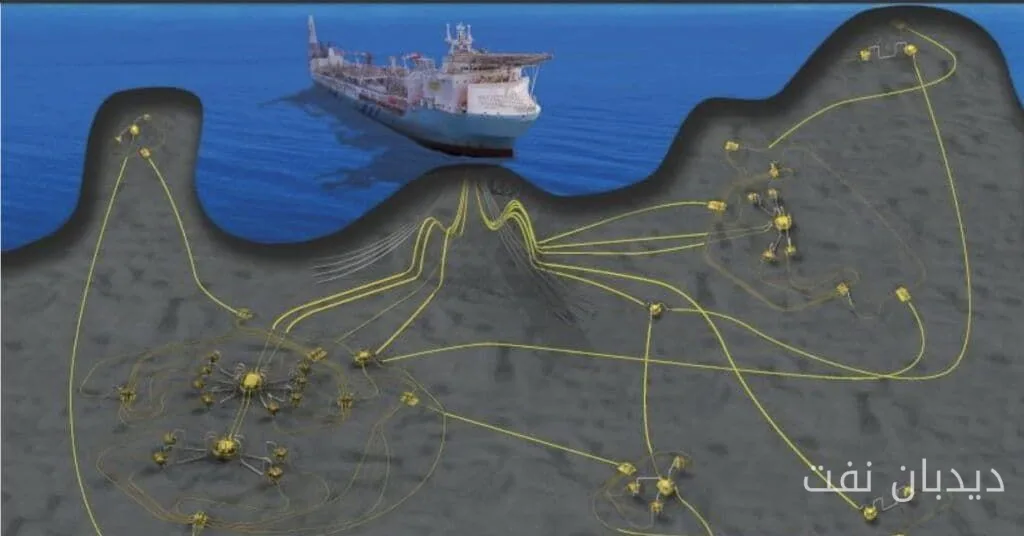
The first two phases of development are planned to use the FPSO Aoka Mizu, which has a production capacity of 55,000 barrels of oil per day. According to existing plans, drilling activities are expected to begin in early 2027, with the first oil production from phase 1 anticipated in the first half of 2028.
Read more: Mohsen Paknejad, Iran's Minister of Oil, resigned due to the halt in crude oil loading · The resignation of Mohsen Paknejad, Minister of Oil, and its implications in the oil market



