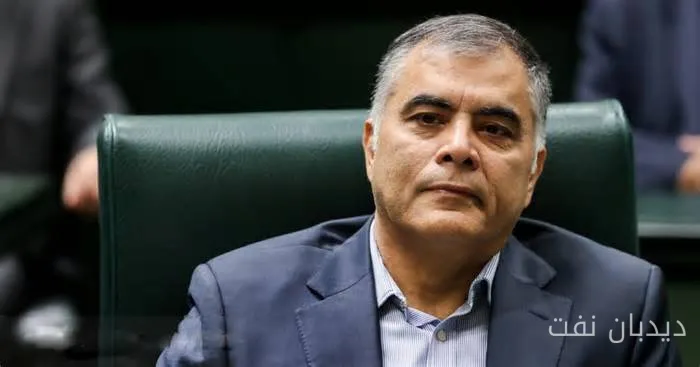
Mohsen Paknejad, Iran's Minister of Oil, resigned on Sunday, October 4, due to the critical situation caused by U.S. sanctions and the complete halt in crude oil loading. This resignation comes at a time when no oil tankers registered any crude oil loading from Iranian ports in September.
Resignation of the Minister of Oil and New Developments
Mehdi Tabatabai, Deputy for Communications and Information at the Iranian President's Office, announced that Mohsen Paknejad's resignation has been accepted by Masoud Pezeshkian. Following this change, Hamid Bord, who previously served as Deputy Minister and CEO of the National Iranian Oil Company, has been appointed as the acting Minister of Oil. Reports indicate that Paknejad initially submitted his resignation for personal reasons, which was not accepted, but ultimately, with the acceptance of his resignation, changes in the Ministry of Oil took place.
Read more: Abbas Pazouki: The news about refinery feedstock prices is not true
Impact of Sanctions on Iran's Oil Exports
Paknejad's resignation occurs amid the intensified U.S. maritime blockade against Iran, which has significantly affected the country's oil exports since July 14. The U.S. Treasury Secretary has stated that Iran did not load any barrels of crude oil onto tankers in September. Initial tanker tracking data released by Bloomberg and other market analysis firms confirms the lack of crude oil loading from Iranian ports during this period.
This situation has led to a severe reduction in the Islamic Republic's revenue sources. Scott Bassett, a U.S. official, has stated that it is estimated that about 15 million barrels of Iranian oil are still en route for delivery, primarily to China. After this delivery, Iran will have nothing left to trade.
Moreover, statistics published by media and U.S. officials indicate that in recent weeks, oil exports from other countries in the Persian Gulf have increased through the Strait of Hormuz, approaching pre-war levels. Reports also suggest that liquefied natural gas (LNG) shipments from the Strait of Hormuz have reached the highest monthly level since the start of the U.S.-Israel war with Iran.
In this context, many tankers transfer their cargoes to other ships in waters near Oman and the UAE after passing through the Strait of Hormuz. This behavior indicates increased pressure on shipping and oil delivery systems in the region.
Additionally, with the intensification of sanctions by the U.S. Treasury Department, which began at the start of September, all Iranian airlines have also been added to the sanctions list. This action has led some countries to ban the entry and exit of Iranian flights from their airports. All these events have contributed to rising inflation rates and the collapse of Iran's national currency, with the dollar rate in the free market reaching nearly 270,000 tomans.
While the Ministry of Oil and other ministries are being managed under supervision, it is expected that changes in the country's oil management due to the current crisis will have deeper impacts on the overall economic trends in Iran.
Read more: Inadequate delivery of power plant fuel and deviations in tankers · 20 Iranian tankers are stranded in the waters of Sri Lanka



