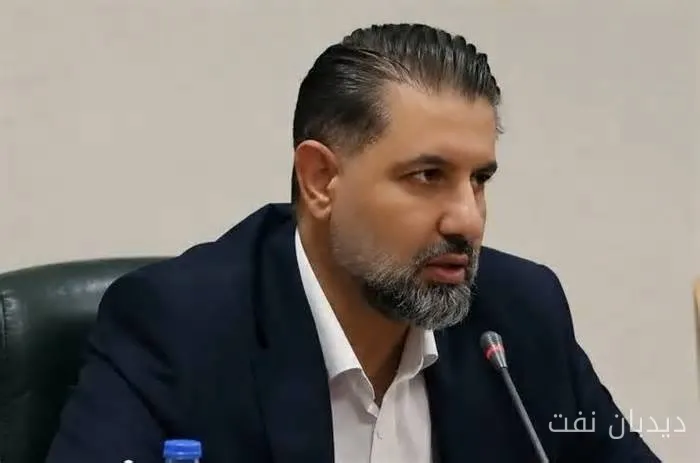
Abbas Pazooki, the Deputy for Communications in the Office of the First Vice President, in an official statement, rejected the accuracy of news reports published in some media regarding refinery feed prices. He emphasized that this issue is currently under review in the joint working group of the Ministry of Oil, the Ministry of Economy, and the Organization for Planning and Budget.
Details of Abbas Pazooki's Statements
Pazooki wrote on his account on the social media platform X: "The news published in some media regarding 'refinery feed prices' in the Office of the First Vice President is not true." He also added: "The examination of this issue in the joint working group of the Ministry of Oil and the Ministry of Economy and the Organization for Planning and Budget is still ongoing."
Read more: Iraq is changing its oil strategy by arranging tankers to transport oil out of the Strait of Hormuz
Consequences of Lack of Transparency in Refinery Feed Prices
Official decisions and resolutions in this regard will only be communicated through official channels. These statements come at a time when there have been many discussions about refinery feed prices in the media and social networks in recent weeks. Lack of transparency in this area can lead to ambiguity and concern among industry and market participants.
Economic analysts believe that refinery feed prices play a significant role as one of the key factors in determining the prices of petroleum products. Therefore, any change or lack of clarity in this rate can have significant impacts on both domestic and international markets.
In this context, Pazooki emphasized the necessity of transparent and accurate communication in this area and noted that final decisions will be announced after necessary reviews and through official channels. This action is aimed at preventing the spread of incorrect and ambiguous news.
Read more: Identifying a new route for oil shipment deliveries in 2023 · Iran's oil sanctions with a change in Trump's policy direction



