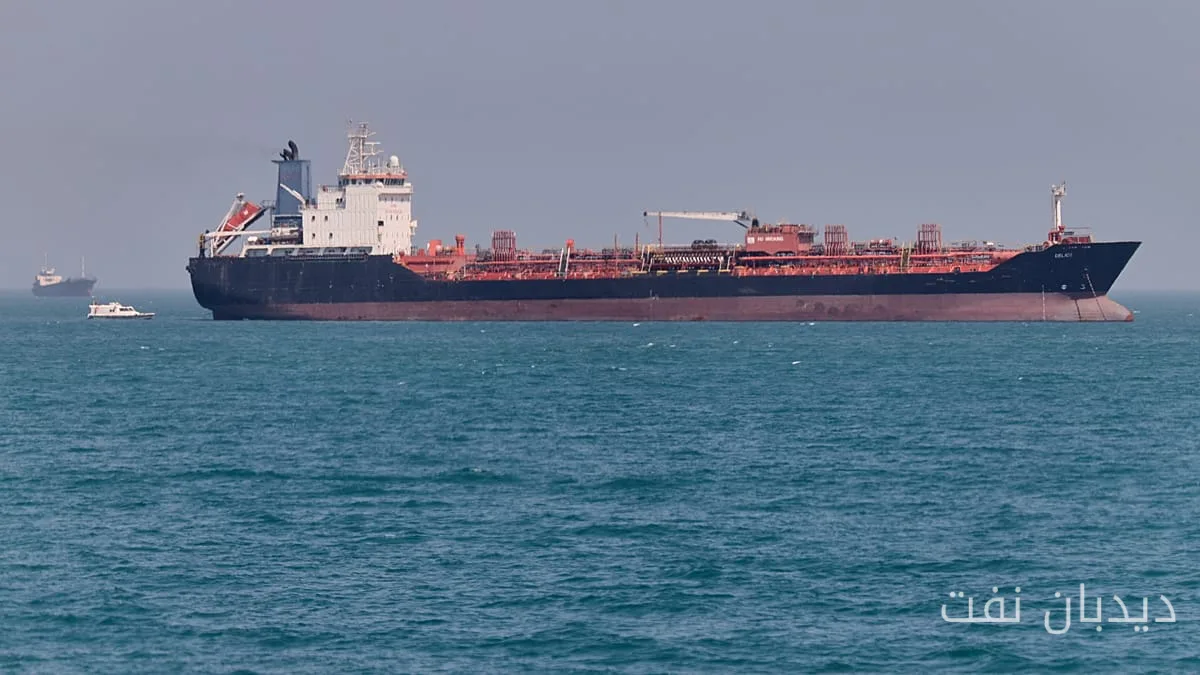
Crude oil exports from the Strait of Hormuz in the last week of September 2023 reached above the pre-war average, setting a new record. According to data from Kpler, the export volume during these days ranged between 19.5 and 22.5 million barrels per day. These figures indicate a significant increase in crude oil exports from the region compared to the average of 18 million barrels per day from March 2025 to February 2023, prior to the start of the U.S. and Israel's war with Iran.
Details of Oil and Natural Gas Exports
The seven-day moving average of crude oil exports reached 18.5 million barrels per day by October 1. This volume includes transit through the Strait of Hormuz and the Red Sea, loading from terminals, and transferring oil between ships in the Gulf of Oman. When petroleum products, chemicals, and gas liquids are also considered, the average exports in the seven days ending September 30 reached 22.4 million barrels per day. Additionally, the number of liquefied natural gas shipments exiting the Strait of Hormuz increased in September, reaching the highest monthly figure since February 2023.
Read more: A new tanker is heading towards Iran amid sanctions
Attacks on Oil Tankers and Military Threats
As exports increase, attacks on oil tankers in the Strait of Hormuz and surrounding areas continue. The shipping intelligence company 'Marisec' reported at least seven incidents in the region. One of these incidents was the fire on the giant tanker 'Kazmeh 3' on October 1, which was hit by an unknown projectile while transiting the strait. According to Marisec's information, all crew members of this tanker were safe and evacuated from the ship after the incident.
The British Maritime Trade Operations agency also announced that since October 2, at least one attack has been recorded daily in the Strait of Hormuz or the Gulf of Aden. According to Marisec data, commercial vessels passing through this strait are facing a military threat that is "more severe and increasingly unpredictable." This situation has not been unaffected by the increase in vessel traffic in the area.
Marisec also warned that current information does not indicate that the pattern of recent incidents necessarily means targeting commercial vessels intentionally. The company believes that Iranian forces may fire missiles towards a predetermined area known as the "kill zone." In this scenario, merely being physically present in the conflict zone at the designated time could be the main factor of risk.
Read more: Hamid Bord has been appointed as the caretaker of Iran's Ministry of Oil · Iraq has transferred its first oil shipment out of the Strait of Hormuz



