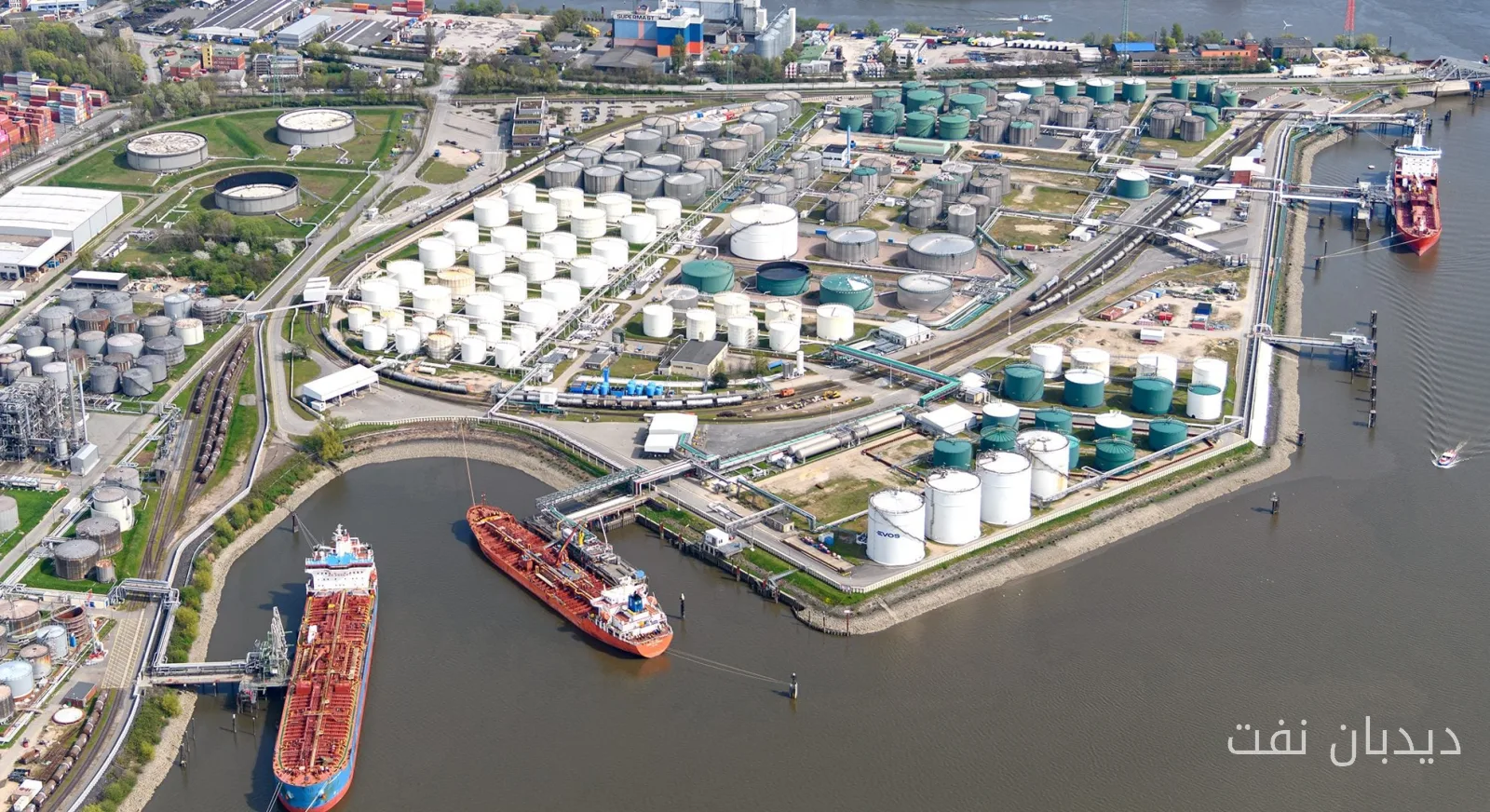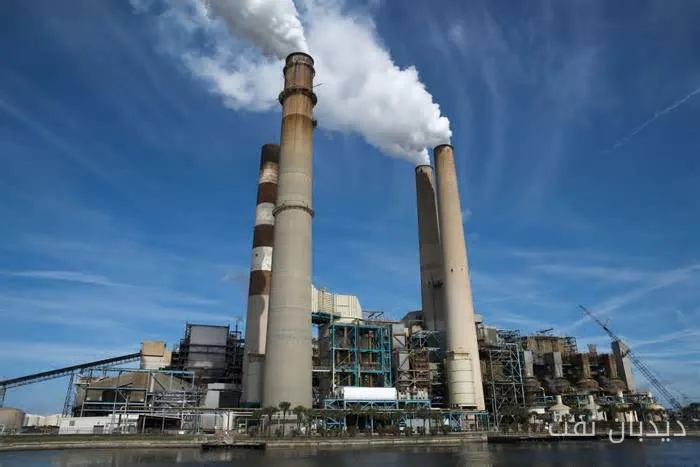
Hamid Hosseini, an economic activist in the petrochemical industry and a member of the Iran Chamber of Commerce, reviewed the situation of Mazut consumption in the country on the brink of the cold season. He announced that, given the gas cut-off for cement factories since the beginning of November and the forecasted increase in gas consumption in the residential sector, there is no alternative but to use Mazut to maintain production capacity.
Fuel Supply Challenges in Winter
Energy imbalance in Iran has turned into a serious crisis. With the onset of winter, gas consumption in the residential sector increases sharply, leading to limitations in gas supply for industries. Hosseini pointed out that under the current circumstances, the government is compelled to cut gas supplies to steel and cement factories and deliver Mazut to power plants. This situation has become more complicated, especially considering the increased gas consumption in winter and the damage to energy infrastructure.
Economic and Environmental Consequences of Mazut Consumption
Hamid Hosseini emphasized that using Mazut as an alternative fuel can have significant economic and environmental consequences. According to him, the use of Mazut, especially high-sulfur types, affects air quality and jeopardizes public health. Hosseini also pointed out the lack of adequate infrastructure for producing and supplying low-sulfur fuel, stating that the high costs of processing this fuel have posed challenges to replacing it with less hazardous fuel.
Hamid Hosseini also referred to the export limitations of petroleum products and energy imbalance, stating that the government must make decisions among various needs, including supplying fuel for industries, feedstock for petrochemicals, and residential consumption. He mentioned that currently, the government has allocated about 230 to 240 million cubic meters of gas for industries and production sectors, but it is still unclear whether this amount will be supplied or not.
Given the current conditions and forecasts for the cold season, it seems that Mazut consumption has become an unavoidable option for keeping production units alive. Hosseini further stated that the government is supplying Mazut to about 15 power plants capable of using it, and this situation will continue until the gas supply issues are resolved.
Read more: Ramazan Ali Sangdouini emphasized the necessity of striving for gas consumption savings · Establishing solar power plants in Khash and Mirjaveh to supply the country's energy