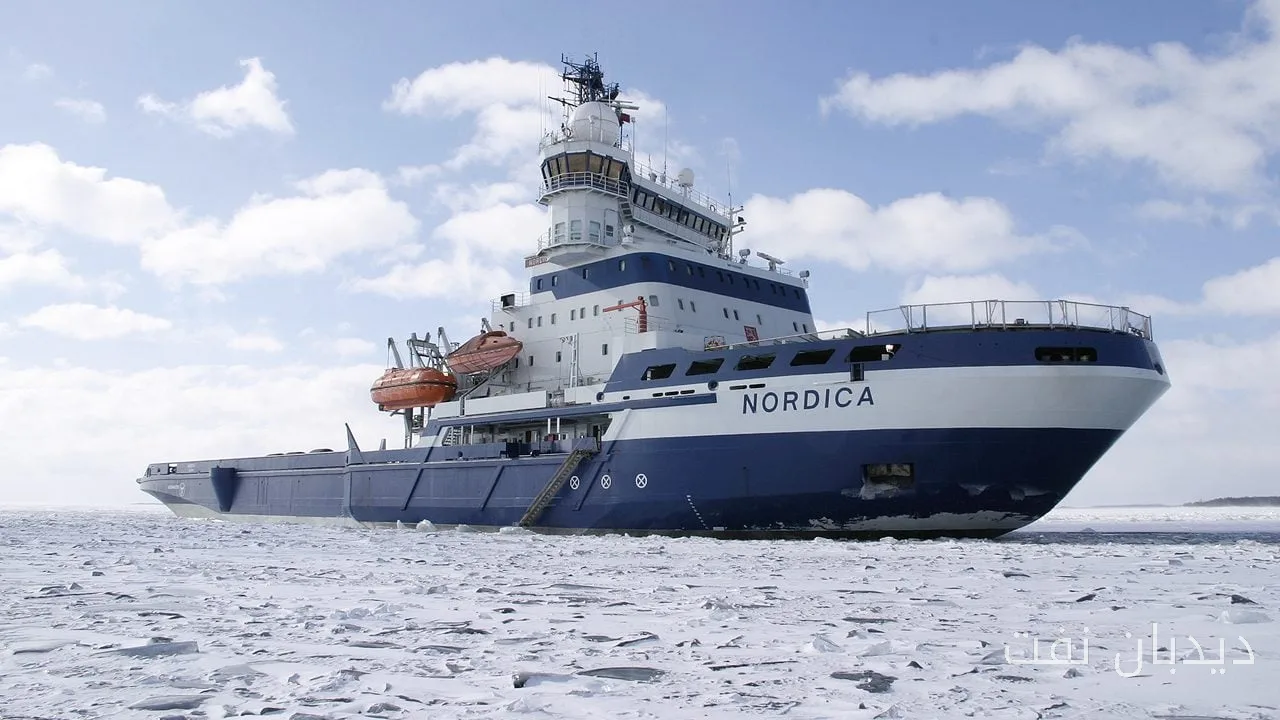
Finland expects to continue having the same number of icebreakers it has today in the coming decades, despite rising temperatures and decreasing ice cover in the Baltic Sea. This conclusion comes from a new government report that highlights growing security needs and changes in the commercial shipping fleet.
Icebreaker Fleet Renewal Plan
The Finnish Transport Infrastructure Agency (FTIA) released a proposed fleet renewal plan for the years 2026 to 2045 earlier this week. This plan includes the gradual replacement of the country's old icebreakers. The assessment, prepared in collaboration with the Swedish Maritime Administration, concluded that climate change will make ice conditions more variable and unpredictable.
Read more: Inauguration of the Lahijan Power Substation Development Project with a budget of 650 billion tomans
New Challenges for Commercial Vessels
Although average ice cover is expected to decrease, Finland will still face winters with severe ice conditions. The report notes changes in the design of commercial vessels that increase the need for icebreakers. New commercial ships are increasingly weaker in terms of engine power relative to their cargo capacity and do not have designs suitable for ice.
This trend is related to optimizing commercial vessels for efficiency in open waters and reducing fuel consumption. The report warns that the gap between a ship's theoretical ice class and its actual operational capability is widening, which may increase demand for icebreaker assistance even in mild ice conditions.
As a result, the report concludes that a reliable navigation system in winter will require improved ice navigation capabilities for commercial vessels. Finland and Sweden are also considering revising their joint ice class regulations to better reflect the actual performance of ships in ice.
The fleet renewal plan will be implemented gradually based on the age of the icebreakers. The first priority will be icebreakers built in the 1970s, followed by newer icebreakers being replaced in the 2030s and 2040s. The report also emphasizes the increasing importance of icebreakers for national security.
Read more: Formation of an Energy Headquarters in Kermanshah Province for Gas Consumption Management · The Governor of Hormozgan reported on the control of Iranian armed forces over the Strait of Hormuz