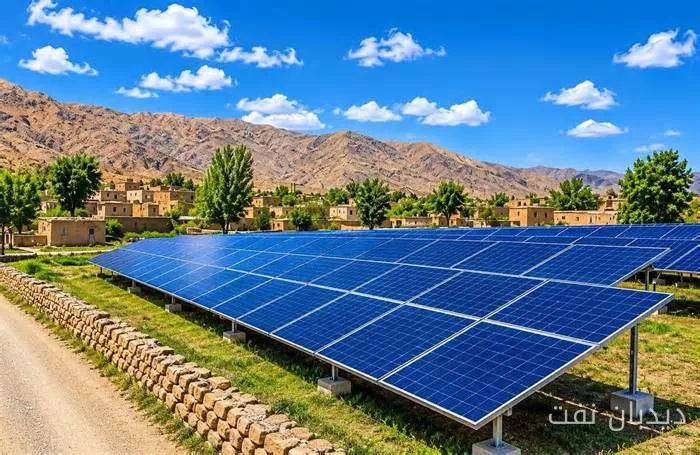
The Khash and Mirjaveh solar power plants, with a total capacity of 40 megawatts in Sistan and Baluchestan, will soon be operational. These projects, designed to supply the country's electricity and address energy imbalances in the coming years, are located in an area with suitable sunlight exposure and are considered an important step in the field of renewable energy.
Details of the Solar Projects
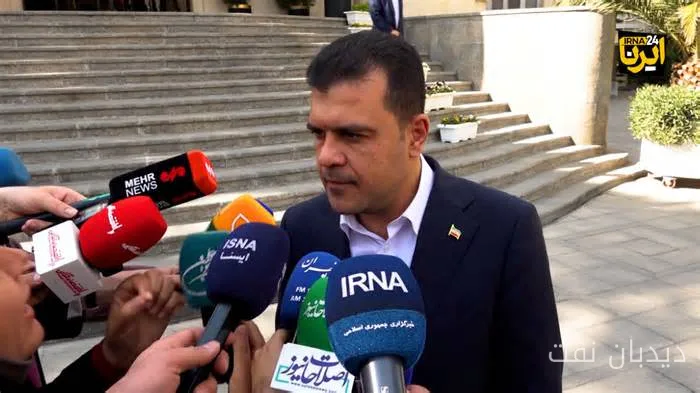
Managers of the "Future Energy Leader" fund, symbolized by "Solar", recently explained the execution and financing details of these projects at a press conference. The Farabi Financial Group, responsible for this fund, is currently attracting new investments worth 2 trillion tomans (2000 billion tomans) with the aim of constructing two 20-megawatt solar power plants in Khash and Mirjaveh. According to the managers, the first phase of subscription worth 1000 billion tomans has been completed, and the total cost of implementing these two projects is estimated to be around 3000 billion tomans.
Read more: German startup Stark Defense designs unmanned ship to track Russia's shadow fleet
Physical Progress and Operational Timeline
The Mirjaveh solar power plant is currently 37.28% complete, while the Khash plant is 5.38% complete. The commercial operation of the Mirjaveh plant is scheduled for June 2027, and the Khash plant for September 2027. Both plants will benefit from a 13-year tax exemption due to their location in underprivileged areas.
The CEO of Farabi Fund Management, Vahid Hassanpour, mentioned the need for foreign currency for the projects during this meeting, stating: "Currency provision has been carried out simultaneously with the subscription process, and the required equipment will also be sourced from international brands." It is also estimated that the cost of constructing each megawatt of solar power in this project is around 380 thousand dollars.
Energy Imbalance and the Need for Renewable Electricity
Mohammad Amin Zangeneh, Secretary of the Renewable Energy Association of Iran, referred to the energy imbalance situation in the country during this meeting, stating: "Iran faces a 15 thousand megawatt electricity imbalance in the summer, and the shortage of gas needed for power plants could exacerbate this imbalance in the winter." According to Zangeneh, large industries must turn to renewable energy sources to avoid consumption limitations.
Given the legal requirements, industries above one megawatt must supply a certain percentage of their electricity consumption from the green panel. These regulations could increase the demand for renewable electricity in the future.
Read more: Delivery of the first Sea1 Offshore support vessel in January 2027 · Mehdi Masali: Electricity imbalance is due to lack of capital and price stabilization policies