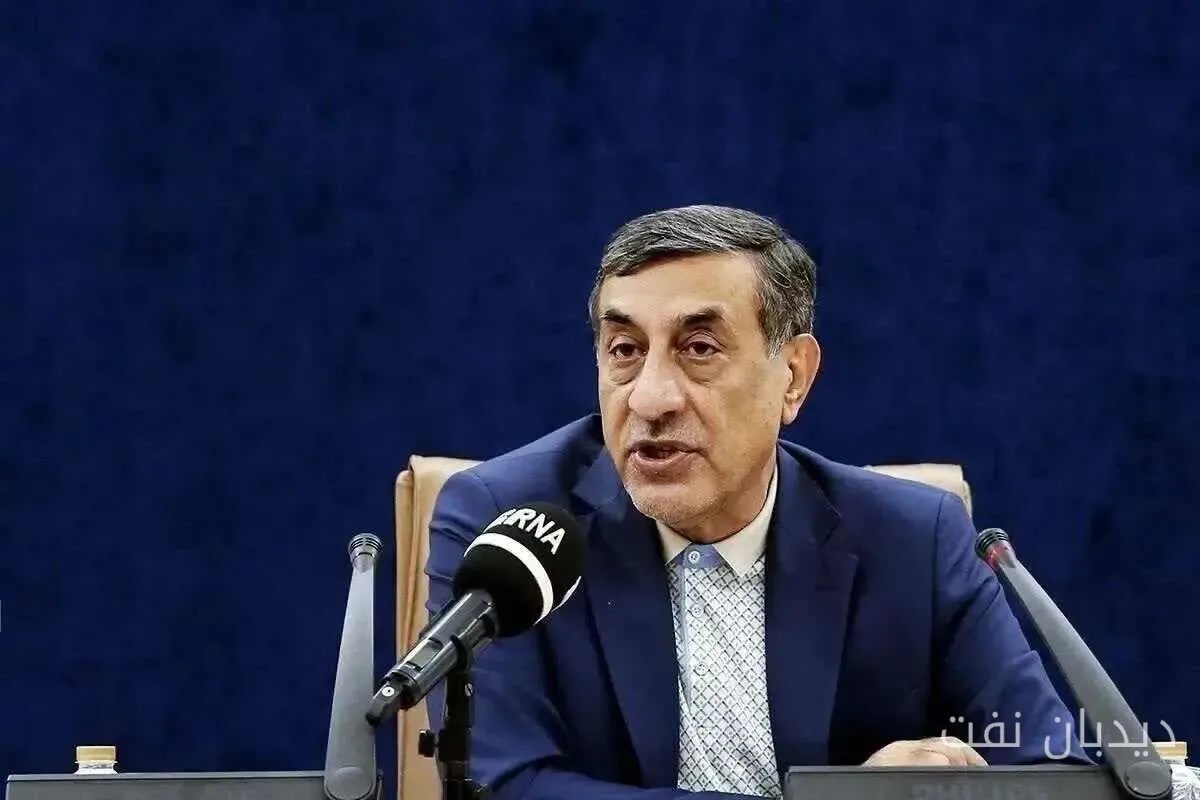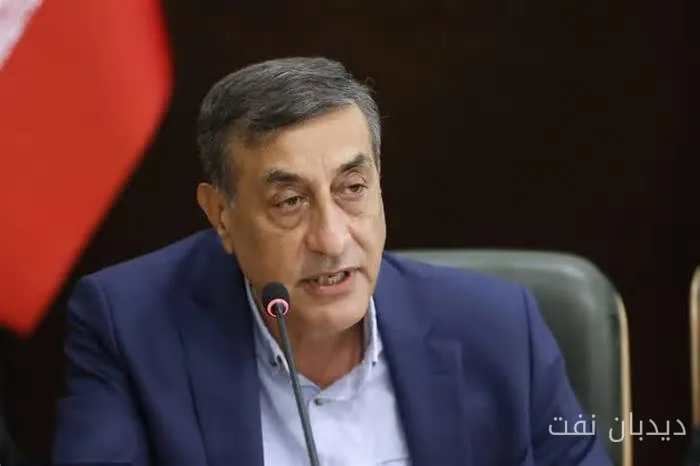
Ghaem-Panah, the Deputy Executive of the Presidency, in official statements emphasized that the government has no plans to implement the 80,000 Toman gasoline scheme. These remarks were made in response to public and economic concerns regarding price changes in the fuel sector.
Background of the fuel situation in the country
In recent years, gasoline prices in Iran have been influenced by various economic and political variables. Government decisions in this regard have always faced different reactions from the public and experts. Various plans to change gasoline prices, including the 80,000 Toman gasoline scheme, have been discussed and reviewed in recent months.
Read more: A one-megawatt solar power plant in Bidgol in memory of Martyr General Gholamreza Soleimani
Given the social and economic impacts of rising fuel prices, government officials have always sought to prevent social crises by offering logical and appropriate programs. In this context, Ghaem-Panah, by emphasizing the absence of a plan for a new scheme, aims to alleviate public concerns.
Consequences of not implementing the scheme
The non-implementation of the 80,000 Toman gasoline scheme could have positive consequences for society and the country's economy. On one hand, this issue could lead to stability in the fuel market and reduce price fluctuations, and on the other hand, it could help maintain the purchasing power of the people. Economic experts believe that price stability in fuel can also have a positive impact on other economic sectors.
Overall, Ghaem-Panah's statements reflect the government's efforts to manage economic and social crises related to fuel. This approach could help increase public trust in the government and improve the country's economic situation.
Read more: Mahdi Hasanzadeh: Gradual reform of gasoline prices requires comprehensive support · Masoud Pezeshkian's order for remote work in offices due to gasoline shortages