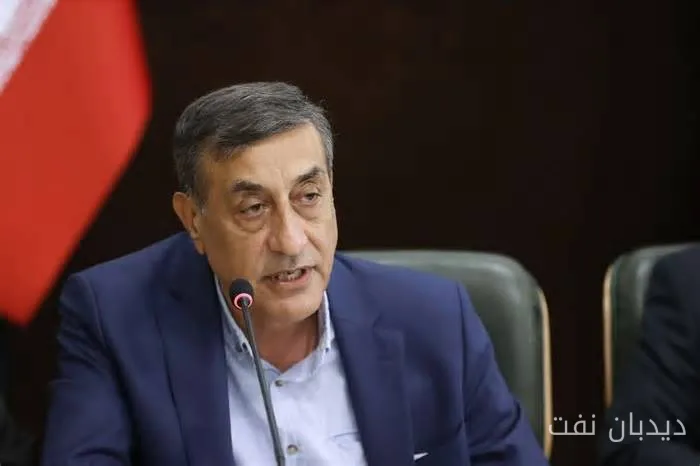
Mahdi Hasanvand, an energy expert, does not consider the reform of the gasoline imbalance to be limited to a temporary price increase and emphasized the necessity of a balanced reform policy. He said: The resources obtained from price reform should be spent on the development of alternative fuels and the improvement of public transportation.
The Necessity of Continuing Gradual Reform of Gasoline Prices
Hasanvand pointed to the importance of continuing the gradual reform policy of gasoline prices and added: The best path is for all political and executive bodies of the country, including the Parliament and relevant agencies within the government, to support a clear roadmap. He stressed that if this cooperation takes shape, reforms can proceed in a stepwise manner and at specific time intervals.
Managing Imbalance and Increasing Production Capacity
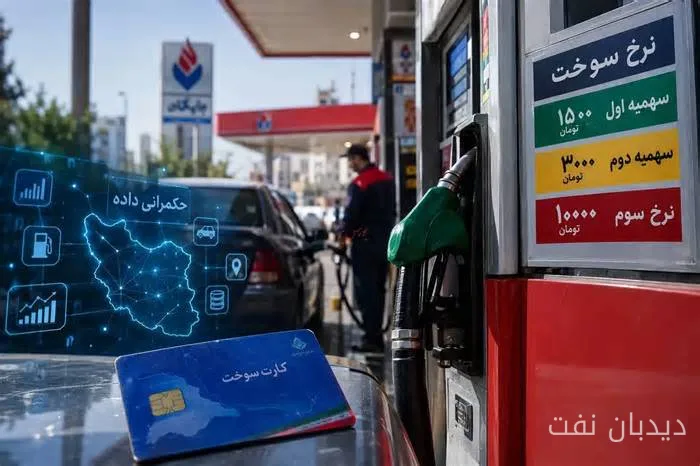
Hasanvand stated that the country is currently facing a gasoline imbalance of 10 million liters per day, saying: Part of this imbalance is covered by reserves and another part through imports. He added: Reforming the third gasoline rate can compensate for part of this imbalance in the short term, and with continued price reform policy, it is possible to move towards balance.
This energy expert further pointed to the necessity of developing refineries and increasing production capacity. He explained that if prices increase gradually, it can reach a point where the selling price of gasoline covers the government's costs and there is no deficit in securing resources for the development of the refining industry.
Price Increase and Activating Non-Price Tools
Hasanvand also emphasized that price reform is not just a financial goal, and one of the most important effects of realizing gasoline prices is the activation of non-price tools. With a gradual price increase, fuel savings for people will become economically justified, and the use of fuel-efficient vehicles and public transportation will become more attractive.
Hasanvand, referring to the existing capacities in the compressed natural gas (CNG) sector, said: Currently, there is about 14 million cubic meters per day of unused capacity in the CNG sector, and if pricing policies are adjusted in such a way that using CNG becomes more economically viable for consumers, this capacity will be activated and will help reduce gasoline consumption.
Read more: Ahmadi: The government's and parliament's policy is to transition to the use of personal and banking fuel cards · New changes in the emergency card quota for stations; Is a fuel crisis on the way?