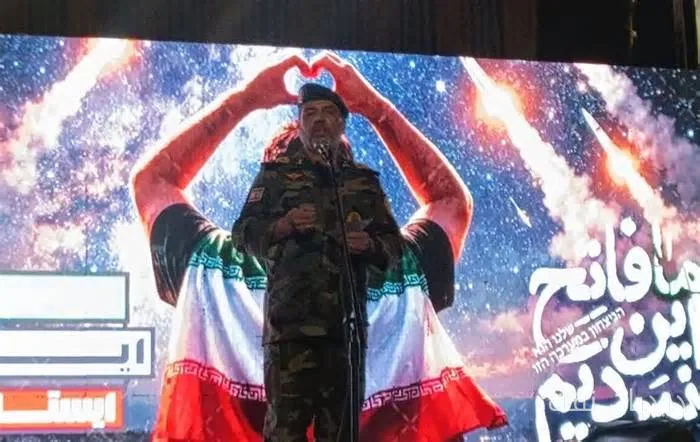
The spokesperson for the Islamic Republic's Army emphasized in a press conference that the armed forces of this country have control over the Strait of Hormuz, and this control will continue until the terms of the Islamic Republic are accepted by the United States. This statement comes especially at a time when tensions in the region are increasing due to issues related to energy and sanctions.
Control of the Strait of Hormuz and Its Consequences
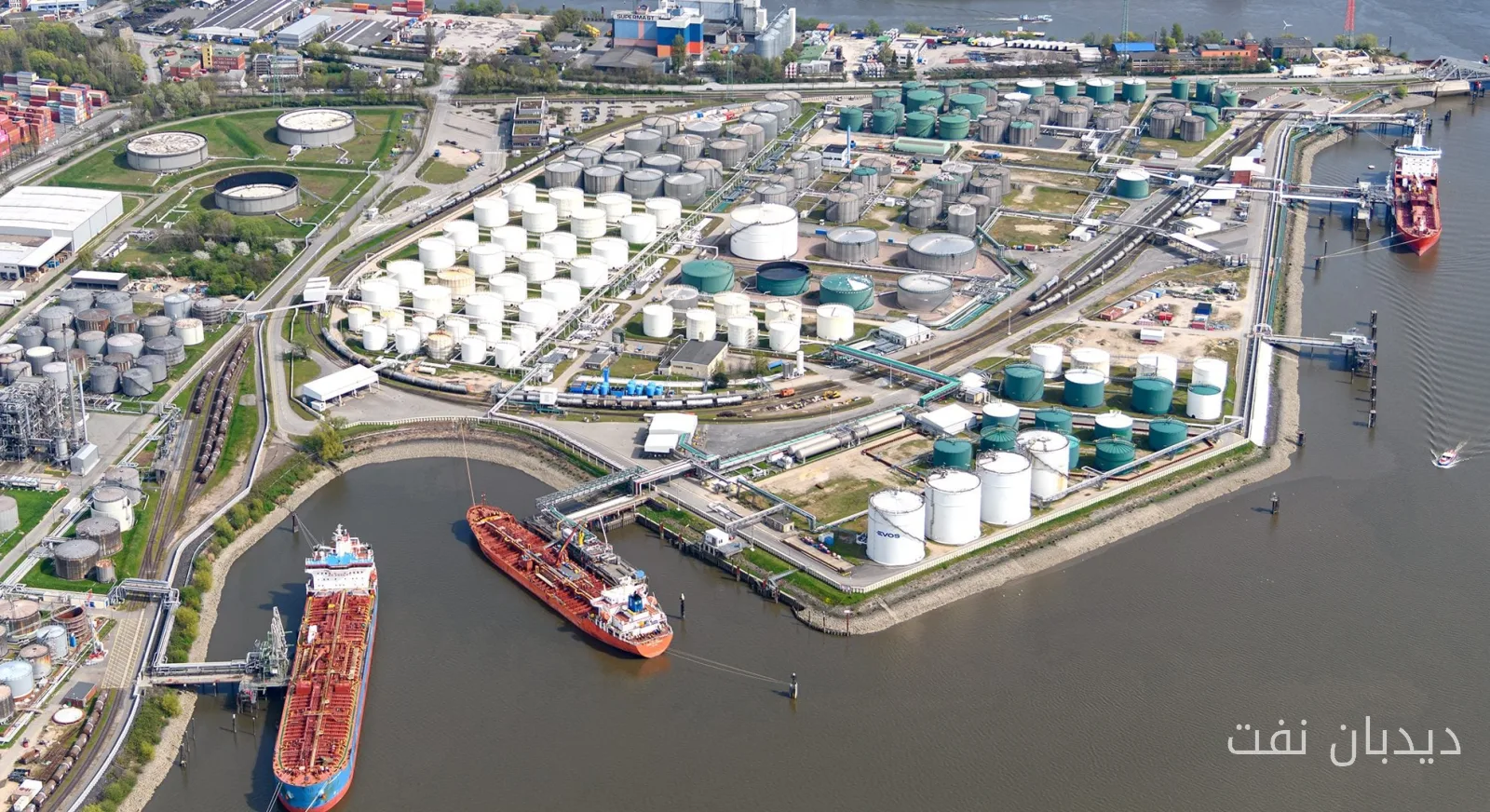
The Strait of Hormuz, as one of the most important maritime routes in the world for oil transportation, has always been at the center of attention for politicians and analysts. This strait, through which about 20 percent of the world's oil passes, plays a key role in global energy security. The spokesperson for the Islamic Republic's Army stated that this control means maintaining national security and the interests of the Islamic Republic, and if the terms are not accepted, there will be no change in the current situation.
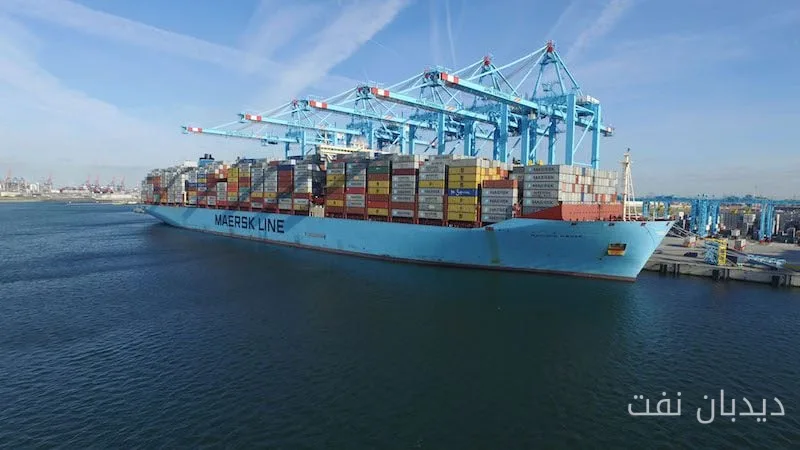
Read more: A.P. Moller-Maersk's stock value decreased by 6.4% after a positive financial report
Islamic Republic's Conditions for Reopening the Strait
According to the spokesperson for the Army, the conditions of the Islamic Republic include matters that, in the view of the officials of this country, must be approved to improve the security and economic situation in the region. These conditions clearly reflect the Islamic Republic's stance against the policies of the United States and its allies. Currently, diplomacy and international discussions in this regard have gained significant importance, and any change in the situation may have widespread implications in oil markets and global security.
At present, considering the economic sanctions and international pressures, the Islamic Republic is striving to defend its economic interests by maintaining control over the Strait of Hormuz. This issue is also used as a leverage against other countries in international negotiations. Given the economic and political significance of this strait, future developments in this area are expected to impact the global energy market.
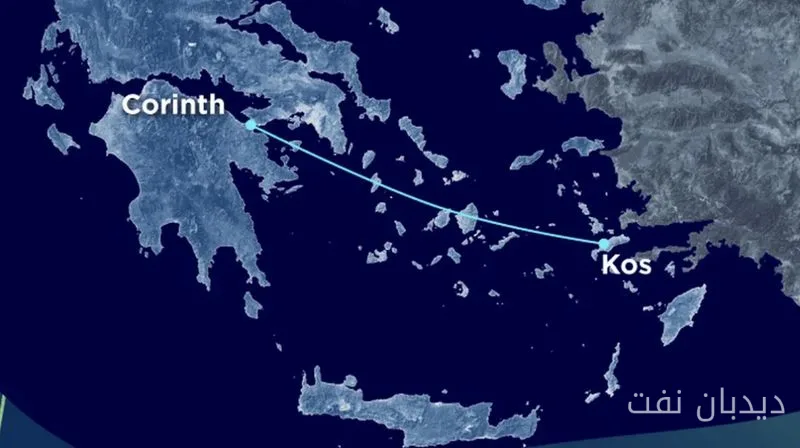
Read more: Nexans signed a contract to supply cables for connecting electricity to Greece · Shipments of sanctioned Russian oil tankers are heading towards the Mediterranean and West Africa