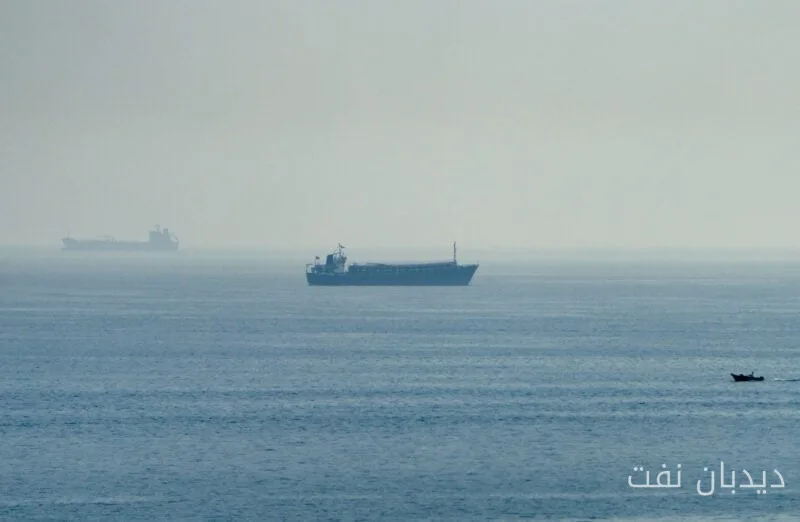
Military shipments from sanctioned Russian tankers that were spotted in the port of Baltiysk in Kaliningrad have gone to sea. These tankers have been divided into two separate groups, likely one heading towards the Mediterranean and the other towards West Africa.
Movement of Tankers and Different Routes
Two tankers, "Skalon" (IMO 9198226) and "Anastasia" (IMO 9349291), began their journey simultaneously on October 31. These tankers were passing through the Langeled Strait and were under the watch of the German and Danish coast guards. On November 6, these two tankers were passing through the English Channel towards the southwest, with no military escort visible on the surface.
Read more: HEA Energy has purchased a shipment of six heavy Subsea7 vessels
Meanwhile, "Lady R" (IMO 9161003) and "Lady D" (IMO 9349289) also departed from Baltiysk on November 5 and were heading west between the islands of Rügen and Bornholm on the morning of November 6. These two tankers were under the supervision of the Danish Navy patrol vessel, "HDMS Nymfen" (P523).
Status of Other Shipments and Impact of Sanctions
Currently, four sanctioned product tankers are in motion, but none are heading towards the United States. The tanker "Talisman" (IMO 9292060) has recently passed north of Malta and is heading east. The tanker "Lero" (IMO 9385831) is also heading towards Brazil. The tanker "Beast" (IMO 9290921), which is under EU and UK sanctions, departed from Ust-Luga on October 30 and is heading towards Brazil.
The only product tanker approaching the United States is the tanker "Agivi Fanindis" (IMO 9798375), which is not under sanctions and has passed through the Pentland Firth and is now heading towards ports on the East Coast of the United States.
This comes as Russian officials, including Dmitry Peskov, the Kremlin spokesman, have emphasized that all Russian diesel exports will find their buyers. However, Ukraine's attacks on diesel production facilities in Russia have complicated the supply situation for this fuel.
Read more: Economic Analysis by Vahid Shaghaghi on Iran's Dependency on Oil