The Malampaya Phase 4 (MP4) project has been successfully launched, injecting 222 billion cubic feet (bcf) of natural gas from deep-sea sources in Palawan into the Luzon power grid of the Philippines. This project, which contributes to the development of national energy independence, celebrated its inauguration on November 5, 2023, with the presence of President Ferdinand Marcos and Prime Infra Board Chairman Enrique K. Razon.
Project Details and History
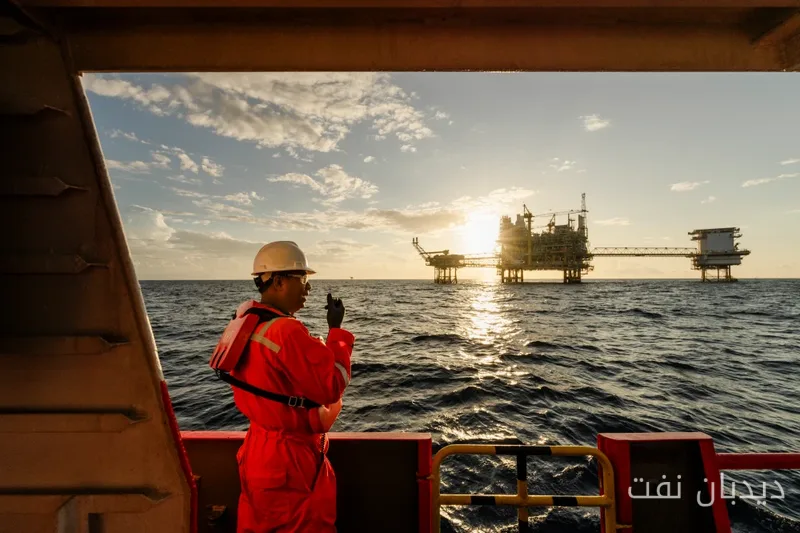
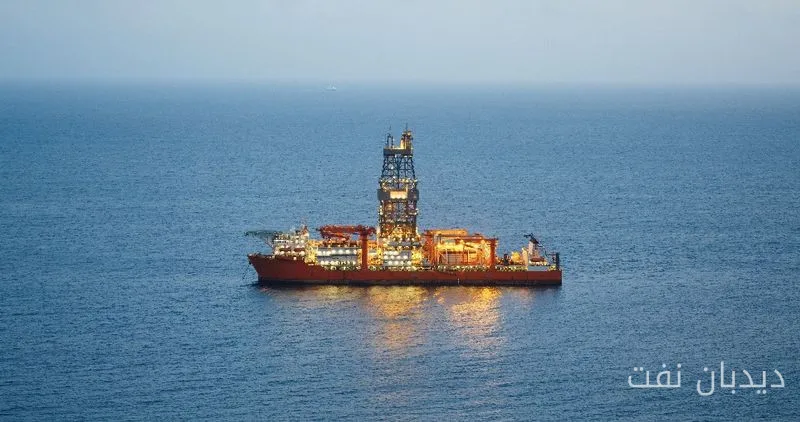
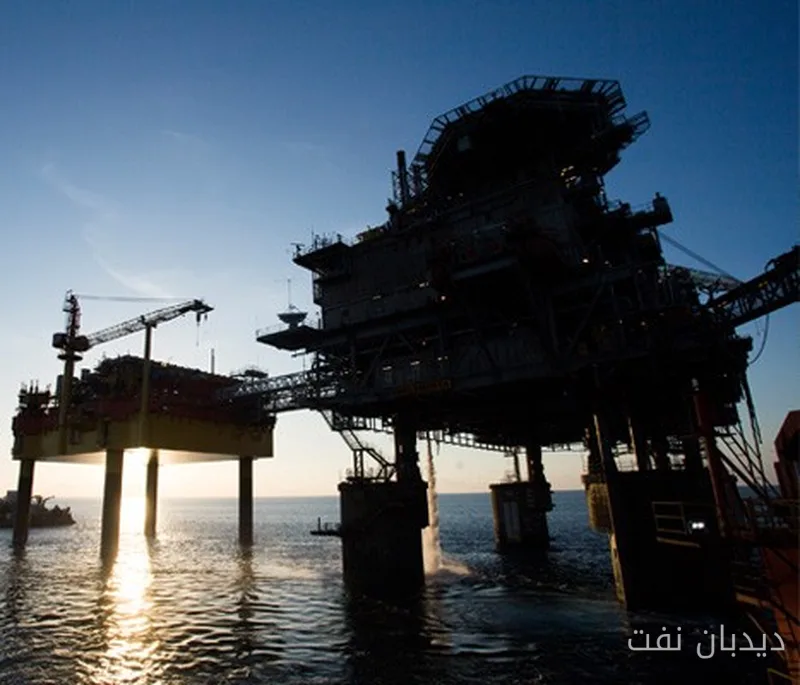
The MP4 project was completed in 27 months after the final investment decision was made, nearly five months ahead of the initial schedule and five months earlier than the industry benchmark. This success reflects effective collaboration among various contractors and suppliers and the need for specialized equipment and technical experts from around the world. With an investment of nearly one billion dollars, the project includes drilling two deep-sea wells and installing underwater infrastructure to connect these wells to the existing Malampaya production platform.
Read more: Receipt of a new Iranian oil tanker shipment on October 7, 2023
Economic Benefits and Impact on the Energy Market
According to estimates, the new natural gas is capable of generating approximately 31.46 billion kilowatt-hours of electricity, sufficient to power 13.11 million Filipino households for one year. President Marcos also emphasized the importance of maximizing the use of indigenous natural gas, stating that increased utilization of Malampaya gas could help better manage electricity costs and reduce dependence on imported energy sources that are affected by international price fluctuations.
The development of this project, which includes an international supply chain from 17 countries, including Germany, the UK, Norway, and the United States, demonstrates the Philippines' commitment to strengthening domestic energy supply and reducing reliance on foreign sources. Additionally, the MP4 project will help maintain the price of indigenous natural gas compared to imported LNG, allowing power producers to manage fuel costs.
Since the start of commercial operations in 2001, the Malampaya Deep Water Gas-to-Power project has generated over 14 billion dollars in revenue for the Philippine government, and with continued development, this figure may increase. The new wells are expected to extend the production life of Malampaya by approximately six years and have a significant impact on the country's energy market.
Read more: Reduction in gasoline production at refineries in favor of intermediate fuels in 2026 · The U.S. proposed resuming Russian natural gas exports to Europe