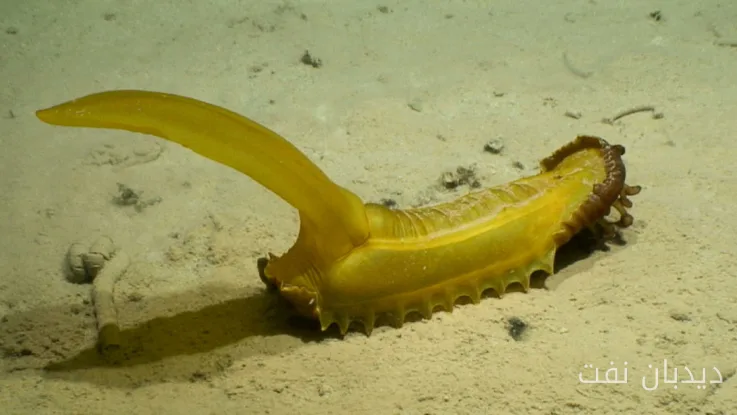
The United States' claim for deep-sea mining is rapidly expanding and has reached a level that equals the permits issued by the International Seabed Authority (ISA). In the Clarion-Clipperton Zone in the Pacific Ocean, which is recognized as a hotspot for mining in international waters, analyses show that companies have either submitted their applications to the United States or received rights for areas of the seabed that are nearly equivalent to half of the area currently designated for mining activities by the international community.
U.S. Applications and Mining Permits
Most of the U.S. applications have been made in the past year and a half, which is part of the 25 years of ISA's activities in issuing exploration permits for the seabed. U.S. applicants have not only sought seabed exploration rights but some have also applied for commercial extraction permits. If these permits are approved by the National Oceanic and Atmospheric Administration (NOAA), they will allow companies to extract minerals and ultimately sell them.
Read more: Greenpeace Activists Occupy Research Vessel Tangaroa in New Zealand
Legal and Regulatory Challenges
The scale and locations of the U.S. claims, along with the potential for overlaps, raise legal and regulatory questions about who has authority over the seabed in international waters. Some experts have expressed concern that the U.S. move to issue extraction permits in the high seas could undermine the multilateral systems governing the oceans. Forty-six countries have called for a halt to this industry due to concerns about potential harm to the marine environment and the need for further research.
One independent environmental attorney in Seattle, Lori Asmundson, has stated that if NOAA continues to issue exploration permits, it would mean ignoring international laws. In this context, Kim Duster, NOAA's communications director, has expressed that the United States believes that the exploration and extraction of hard mineral resources from the seabed are freedoms in the high seas that must be conducted with consideration for the interests of other countries.
The United Nations Convention on the Law of the Sea (UNCLOS), adopted in 1982, provides the legal framework for most marine activities, including the extraction of minerals. However, the United States has yet to ratify this agreement as one of the major maritime powers. Currently, 172 parties, including 171 countries and the European Union, have ratified this agreement, allowing them to automatically become members of the ISA.
Read more: Trump Administration Seeks Review of Approval for Wind Revolution Construction and Operation Plan · Shina Ansari: Permit Issued for Recruitment of 480 New Staff for the Environmental Protection Organization