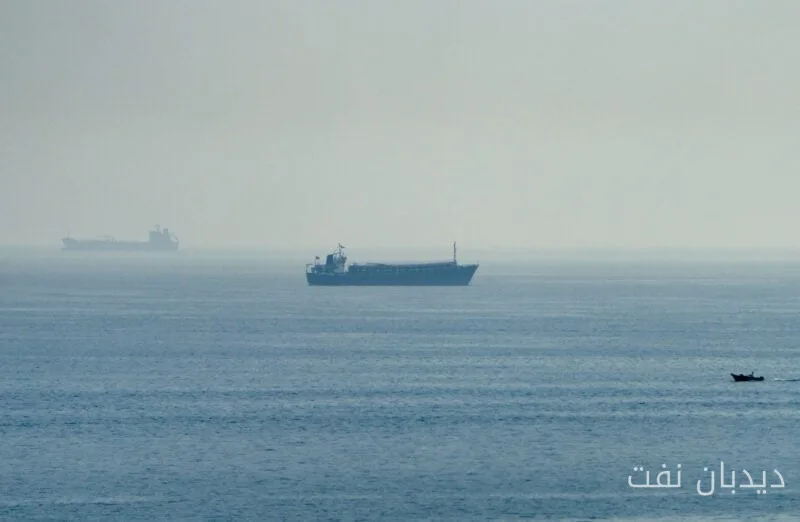
The oil shipment of the 'Aurel' tanker changed course on October 17, 2023, due to international sanctions. These sanctions act as one of the key tools to limit targeted countries' access to the global oil market.
Details of the Shipment and Course Change
The 'Aurel' tanker, which was carrying a significant amount of crude oil, was forced to change course due to sanctions pressures and close international monitoring. This action comes at a time when the oil industry in sanctioned countries, especially in the Middle East, is facing serious challenges.
Read more: Approval of New Central Bank Regulations for the Credit Assessment of Oil Sales Agents
Consequences of Sanctions on the Oil Industry
Sanctions, especially in the field of oil and energy, are considered an effective tool for exerting pressure on specific countries. These sanctions not only affect oil exports but also impact the supply chain and production. In recent years, various countries, particularly the United States and the European Union, have imposed new sanctions on oil-dependent countries due to human rights violations and illegal behaviors.
The course change of the 'Aurel' tanker also reflects the reality that despite efforts to circumvent sanctions, monitoring and controlling oil shipments have become increasingly complex and difficult. Analysts believe that these sanctions can directly affect global oil prices and lead to increased volatility in the oil market.
Read more: Long-term Contract of the 'Skandi Olinda' Tanker Extended for Work with Petrobras · Completion of the Iranian Tanker Shipment with Sanctioned Cargo on a Specific Date