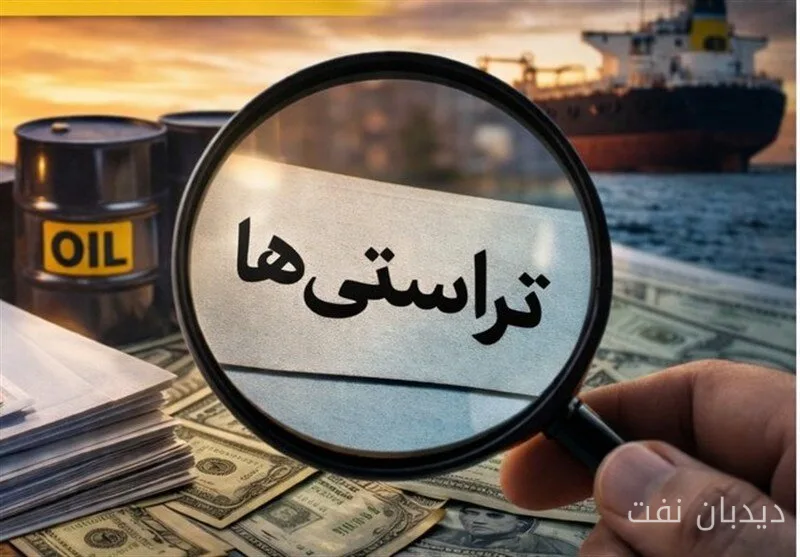
The Central Bank of the Islamic Republic of Iran approved new regulations for issuing bank guarantees to oil sales agents in its eightieth high council meeting. This decision appears to be a regulatory action in the banking network's activities, but in reality, it is taken in line with one of the government's most important financial cases, namely the foreign currency claims arising from oil sales and the performance of oil intermediaries.
Analysis of Changes in the Central Bank's Approach
The approval of this regulation comes at a time when the issue of returning the foreign currency earned from oil exports and the debts of trustees has become a serious focus of government follow-up. Therefore, this decision can be seen as a sign of a change in approach towards oil sales agents. The aim of this change is not merely to facilitate the activities of intermediaries, but also to assess their actual capacity to fulfill export commitments before issuing a bank guarantee.
Read more: Central Bank's Decision on Issuing Guarantees for Oil Agents
The significance of this decision increases when placed alongside directives from high-ranking officials. Previously, reports had been published regarding the pursuit of recovering over $5 billion in claims from the Ministry of Oil against oil sales intermediaries. This directive was issued following reports on the possibility of recovering part of the country's foreign currency resources.
Responsibilities of Banks and Assessment of Agents
According to available information, more than 10 banks and funds play a role in the credit assessment and financial support of oil sales intermediaries. The performance of these entities in evaluating the qualifications of agents and their potential responsibility for unmet commitments is of high importance. In fact, the government is facing two simultaneous issues; recovering outstanding claims from oil sales and creating a mechanism that prevents the country's foreign currency resources from being entrusted to unreliable intermediaries in future transactions.
Given the limitations imposed by sanctions, the use of commercial and financial intermediaries has become one of the main tools for oil sales. These intermediaries often facilitate access to foreign buyers and the transfer of resources through alternative routes. However, if the selected agent does not have sufficient financial capacity, the revenue from oil shipments may remain in the intermediary's accounts for an extended period.
This new decision by the Central Bank follows the proper assessment of agents' qualifications before issuing a bank guarantee, and this phase of intermediaries' activities should be conducted based on more precise criteria. In this regard, the credibility of banks will also assist agents in transactions.
Ultimately, the reform of the regulations for issuing bank guarantees should be viewed as part of the policymaker's response to structural weaknesses in the process of selling and collecting oil revenues. This regulation indicates that the responsibility for collecting oil revenues does not disappear with the delegation of sales operations to intermediaries, and the Ministry of Oil and the Central Bank must safeguard the flow of funds and the return of foreign currency resources.
Read more: Decrease of 4.8 Million Barrels in Crude Oil Inflows in the Second Quarter of 2026 · Abdolnaser Hemmati: Currency Problems Are Not Due to Resource Shortages