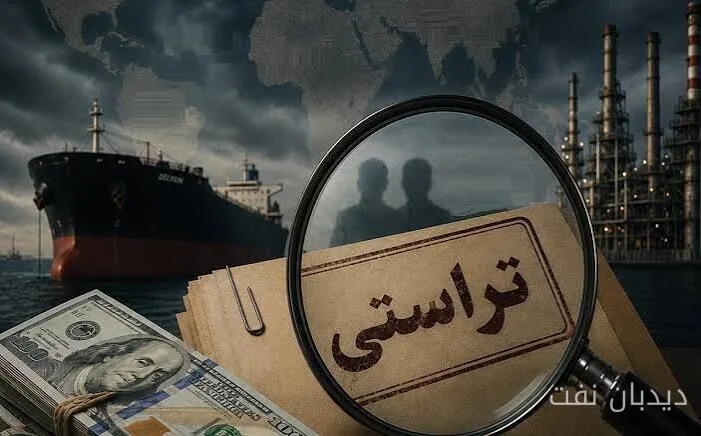
The Central Bank of the Islamic Republic of Iran approved new regulations for issuing commitments to oil sales brokers in its eightieth high council meeting. This decision appears to be a regulatory action in the banking network, but recent developments indicate that it can be analyzed within the context of one of the government's most important financial issues, namely the foreign currency claims arising from oil sales.
Analysis of Developments and New Objectives
This resolution has been approved at a time when the government and regulatory bodies are paying special attention to the return of foreign currency obtained from oil exports and the debts of brokers. Therefore, the Central Bank's new decision can be seen as a sign of a change in approach towards oil sales brokers. The goal of this change is not only to facilitate the activities of intermediaries but also to assess their actual capacity to fulfill export commitments before issuing a bank commitment.
The Ministry of Oil remains responsible for collecting and depositing revenues from exports, and these reforms must be implemented to prevent foreign currency resources from becoming entangled in uncertain commitments and unqualified intermediaries.
The Necessity of Assessing Brokers' Qualifications
The use of a brokerage network in oil sales has become one of the main tools, but the limitations imposed by sanctions have complicated this issue. If brokers do not have sufficient financial capacity or reliable channels for transferring money, the revenue from oil sales may remain in intermediary accounts for an extended period. This delay in securing the country's foreign currency resources also increases transaction costs.
Therefore, assessing brokers' qualifications before issuing a bank commitment is of particular importance. The Central Bank is striving to move this phase of brokers' activities away from being reliant on relationships and limited approvals and to conduct it based on more precise criteria.
Additionally, the Court of Audit has previously reported on existing problems in the process of collecting and transferring oil revenues through the brokerage network, pointing to months-long stagnation of resources, heavy fees, and reduced transparency. These issues indicate that the brokerage matter has become a serious challenge in the realm of financial governance and the protection of public resources.