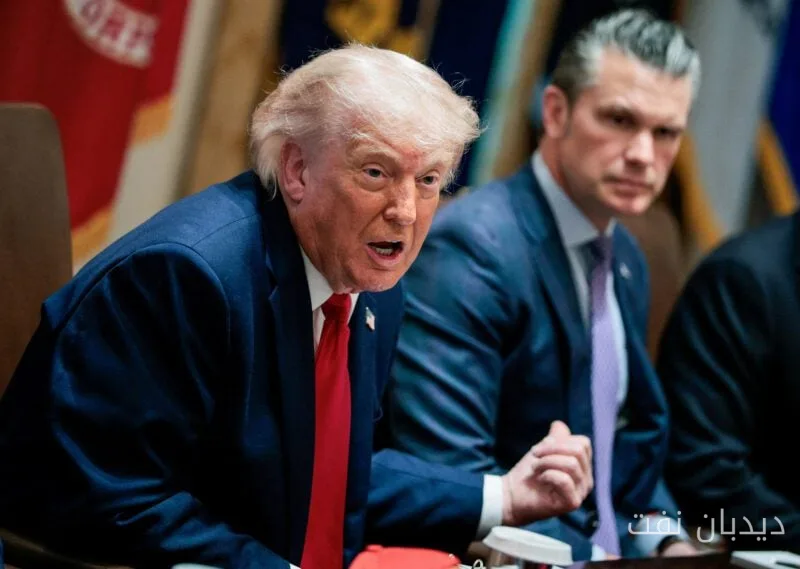
U.S. oil sanctions on Iran's oil exports have intensified as tensions in the Middle East have reached their peak. These sanctions, imposed under international law, especially during Donald Trump's presidency, have had profound effects on global energy markets.
History and Current Situation
The Iran War, which began on February 28, initially aimed at destroying Tehran's military capabilities and preventing the country from acquiring nuclear weapons. However, in recent months, the focus of this war has shifted more towards controlling the Strait of Hormuz, one of the most important oil transit routes in the world. Currently, Iran's oil exports are under severe pressure, and the country is trying to reach an agreement through diplomatic negotiations.
Impact on the Global Energy Market
Oil imports from the Strait of Hormuz, which previously supplied about one-fifth of the world's oil, have now significantly decreased. While at the beginning of the war, oil flow dropped to nearly zero, with the help of the U.S. Navy fleet, the volume of oil shipments has returned to about 80% of pre-war levels. However, oil prices are still about 40% higher than pre-war levels, indicating the high risks of transporting oil from this region.
The U.S. is trying to limit Iran's revenue sources by imposing new sanctions on its oil exports. For this reason, both sides, Washington and Tehran, were seeking a diplomatic solution before the midterm elections in the U.S.
Challenges Facing Trump
After the electoral defeats of the Republicans, Donald Trump's political position has been severely weakened, which may affect his decision-making regarding the continuation of the war. While Trump has various options, including new military strikes, a quick agreement, or continuing the current situation, none of these options seem easily executable.
In this context, the option of negotiation is presented as a potential solution. Qatar is acting as a mediator in indirect negotiations between Washington and Tehran, but recent statements from Iranian officials indicate a significant distance between the parties from a meaningful agreement. Key issues in the negotiations include Iran's nuclear program and the reopening of the Strait of Hormuz.
Future Consequences
If Trump reaches an agreement that does not effectively limit Iran's nuclear program, it may signify his acknowledgment of failure. At the same time, an agreement that only leads to a short-term reduction in oil prices could result in Iran gaining more power in the region and weaken U.S. relations with Gulf allies.
Ultimately, the current situation reflects the complex challenges facing U.S. policies in the Middle East. Continued tensions could lead to a serious crisis in the energy market and rising prices.
Read more: Vår Energi and its partners in Norway found well 25/8-24 S to be unsuccessful · Fire on four oil tankers in the Strait of Hormuz due to sanctions and warnings