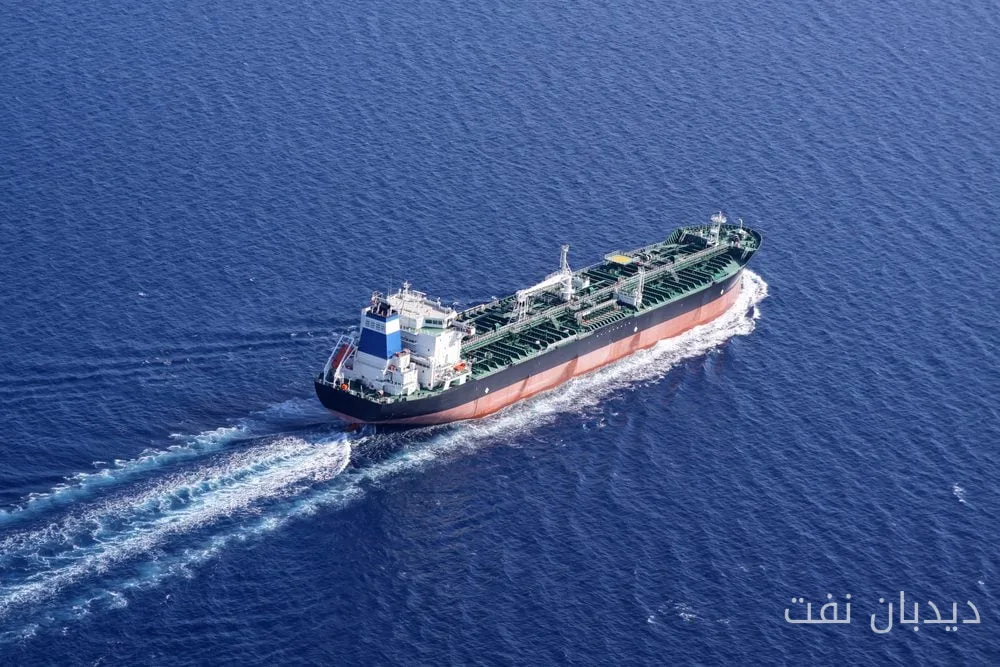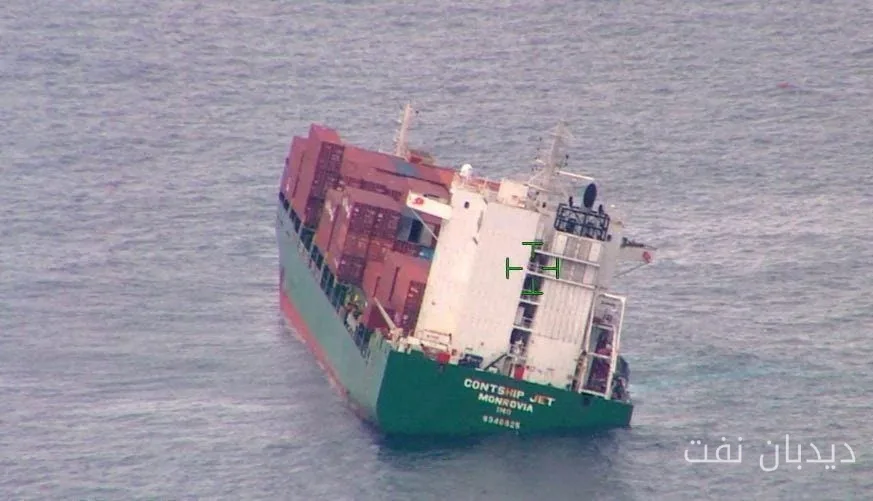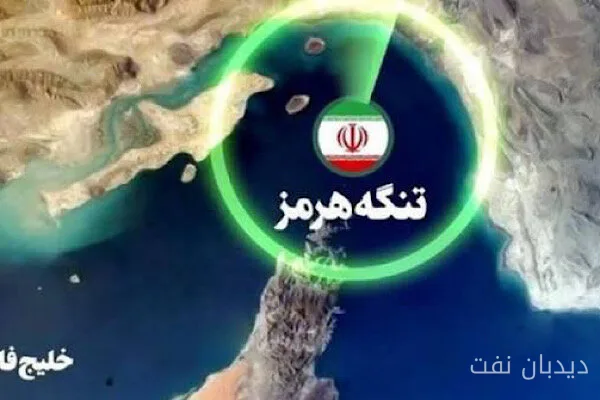
The Strait of Hormuz has once again become one of the main focal points of security confrontation in the region. According to a statement from the Islamic Republic of Iran's Navy, an enemy vessel operating in the eastern operational area of the Strait of Hormuz was targeted and destroyed. The statement also mentioned that two violating oil tankers, which were operating in prohibited and unsafe areas by turning off their tracking systems, caught fire after hitting naval mines.
Details of Recent Incidents in the Strait of Hormuz
According to published information, last night the public relations office of the Islamic Revolutionary Guard Corps Navy reported similar incidents involving other oil tankers. In a statement released on November 8, the fourth oil tanker also caught fire and exploded after ignoring radio warnings and attempting to pass through the unauthorized southern route of the Strait of Hormuz. This tanker was specifically carrying over two million barrels of crude oil.
Read more: Formation of a Large Military Cargo Convoy by Russia in Baltiysk
The significance of these incidents becomes clearer when considering the position of the Strait of Hormuz in the global economy and also the defensive strategy of the Islamic Republic of Iran. This waterway is one of the most important energy transit routes in the world, and a significant portion of the crude oil and petroleum products from the region passes through it. Therefore, any disruption in the security and maritime traffic of the Strait of Hormuz can impact energy markets and transportation costs.
Economic and Military Consequences of Recent Incidents
These disruptions not only affect regional security but can also impact the global economy. Shipping companies, insurers, and energy traders will be forced to reassess costs and risks of operating in the region. Increased premiums, delays in vessel movements, and concerns about the continuity of oil supply are potential consequences of heightened maritime insecurity.
If disruptions in the Strait of Hormuz continue, there is a likelihood of increased volatility in energy markets and rising transportation costs. The extent of these impacts depends on the duration of the disruption, the volume of supply at risk, and market reactions. Additionally, analysis of recent incidents shows that the security of the Strait of Hormuz cannot be analyzed separately from the balance of power between Iran and the United States in the region.
Given Iran's geographical position and its defensive capabilities, the country has a high capacity to monitor movements and defend its national interests. In a situation where tensions with the United States have increased, these advantages become even more significant.
Read more: Increase in Solar Power Production Share with Battery Storage by 2026 · Attacks on Oil Tankers and LNG Ships in the Persian Gulf and Strait of Hormuz Have Increased