The return of wind power to the maritime industry is emerging as a new solution for reducing fuel consumption and greenhouse gas emissions. While commercial ships had moved away from wind for over a century, we are now witnessing the installation of innovative systems such as rotor sails, rigid wings, and suction systems on cargo ships, tankers, and container ships.
Replacing Wind as a Complementary Energy Source
These systems are designed to work alongside traditional engines, aiming to reduce fuel consumption in favorable weather conditions. According to the International Windship Association, over 100 large commercial ships have been equipped with new wind power systems, reaching a loading capacity of over 5 million tons. Although this number still represents a small share of the global fleet, ships are getting larger, and projects are increasingly moving towards greater ambitions.
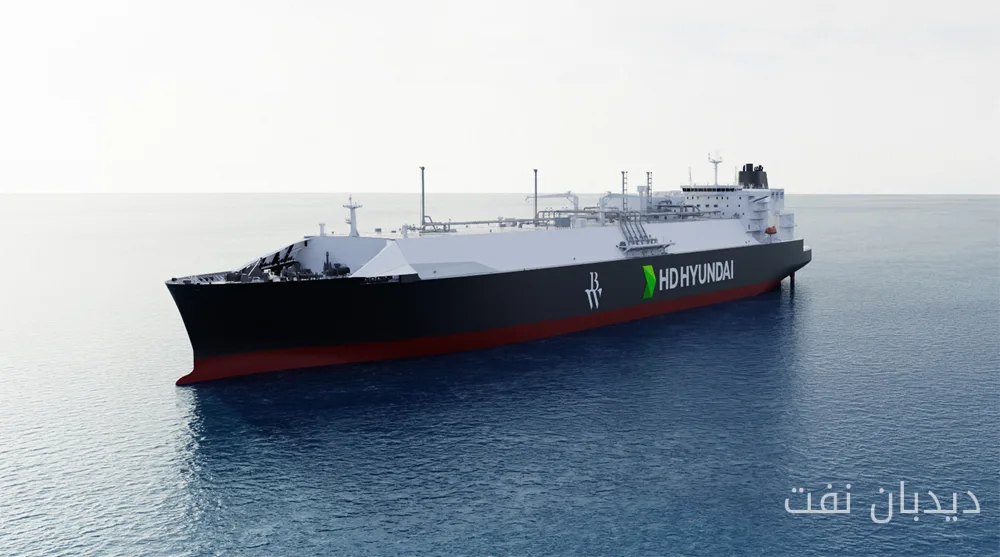
Read more: HD Hyundai and BW LNG Build the First Three-Tank LNG Tankers
Installing Rotor Sails on Container Ships
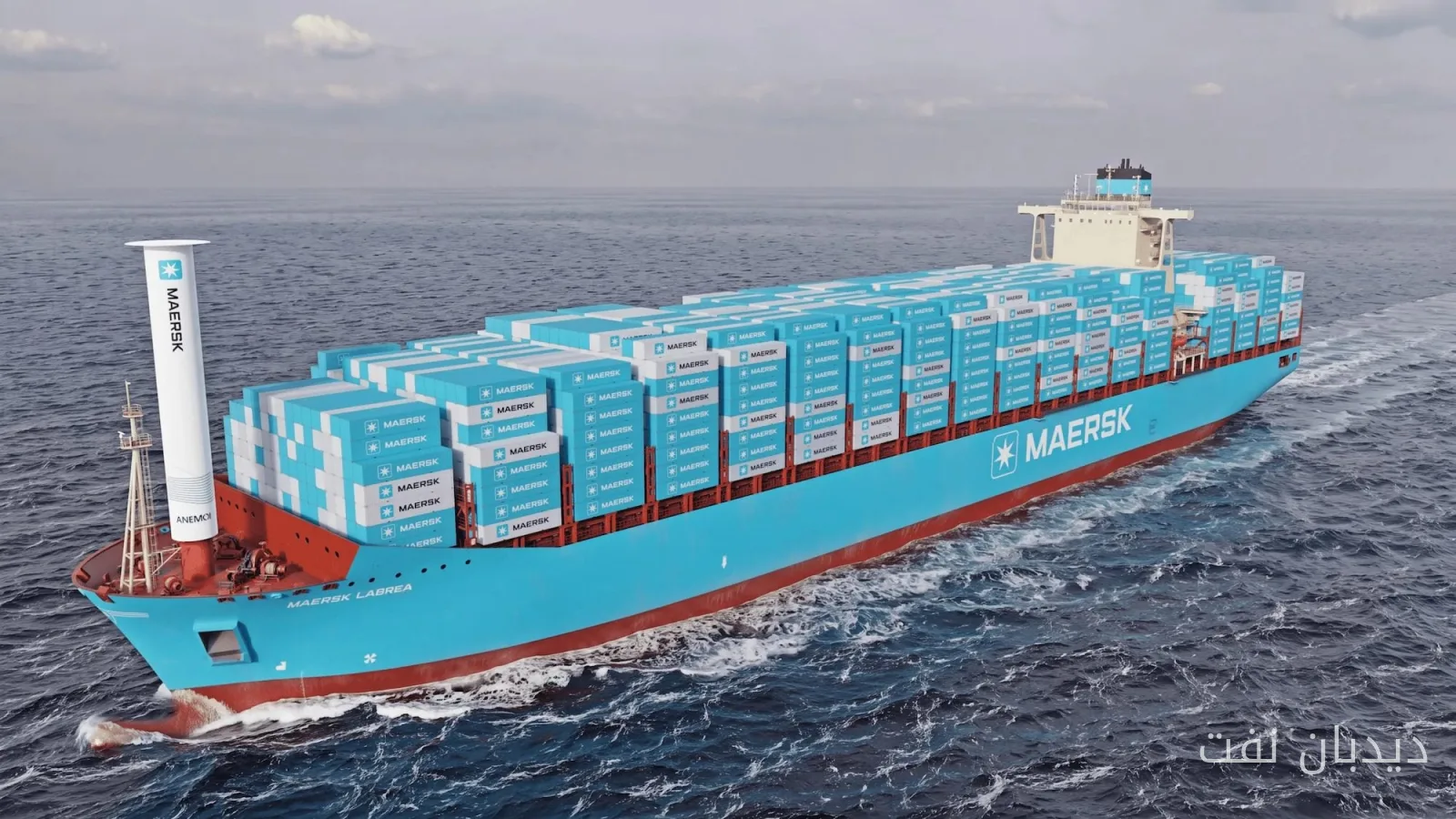
One of the significant projects in this area is the installation of a 35-meter rotor sail on one of Maersk's 8,700 TEU container ships, with testing set to begin in 2027 in transatlantic services. This installation marks the first use of rotor sails on container ships. Rotor sails are designed as large vertical cylinders that generate aerodynamic lift by rotating against the wind, reducing the load on the ship's engine.
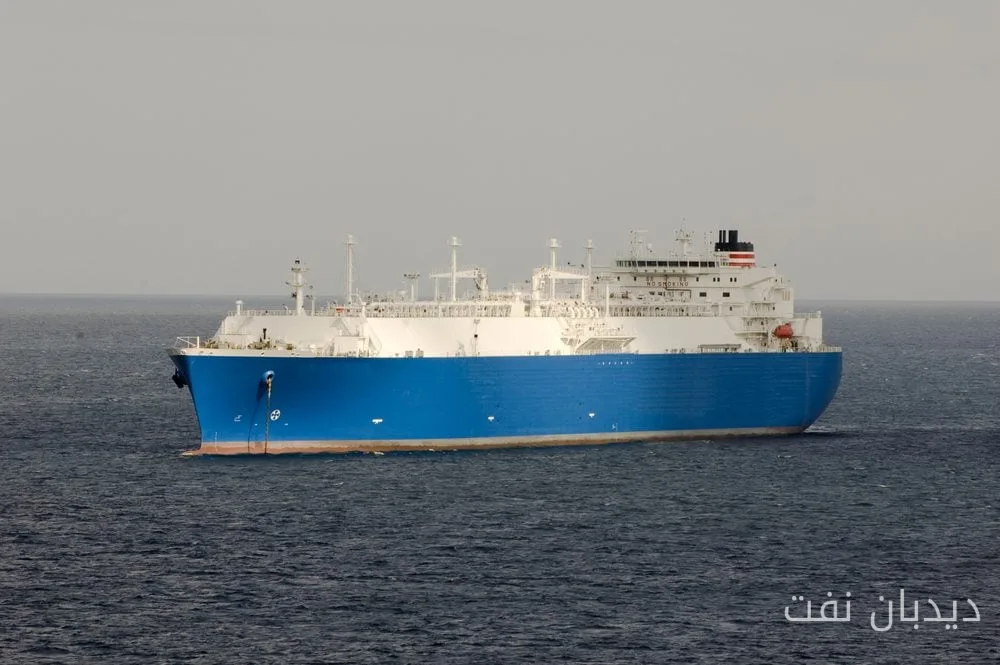
Currently, giant ships like Sohar Max, with a capacity of 400,000 tons, are using similar systems, and it is expected that these systems will reduce their fuel consumption by up to 6 percent. Additionally, two VLCCs for Idemitsu Tanker in Japan are under construction and are set to receive Norsepower rotor sails upon entering service in 2028.
Looking to the future, liquefied natural gas (LNG) carriers may soon benefit from this technology as well. A group of companies, including Korean Register and HD Hyundai Heavy Industries, recently announced they are studying an LNG ship with a capacity of 174,000 cubic meters that will be equipped with WindWings sails.
Developing New Technologies and Integrating with Existing Systems
Some projects are entirely designed to utilize wind power. For example, the Neoliner Origin ship, which will be delivered in 2025, will feature two 76-meter carbon masts with a sail area of 3,000 square meters. This ship will be able to transport cars, containers, and other cargo between Europe and North America.
Additionally, Airbus is designing a new generation of ro-ro ships that transport aircraft components using a combination of wind power, alternative fuels, and optimized routes. This technology represents a blend of old and new, as some of the most advanced supply chains in the world rely on one of the oldest sources of maritime power while the maritime industry moves towards the use of new technologies.
Ultimately, integrating wind power systems with ship engines, batteries, and power management systems is seen as a necessary trend for the future of this technology. Despite significant challenges along the way, this technology could serve as a sustainable solution for reducing fuel consumption and greenhouse gas emissions in the maritime industry.
Read more: Great Success for bound4blue in Securing eSAIL® Design Assessment · Amazing Advances in Liquid Pipeline Projects