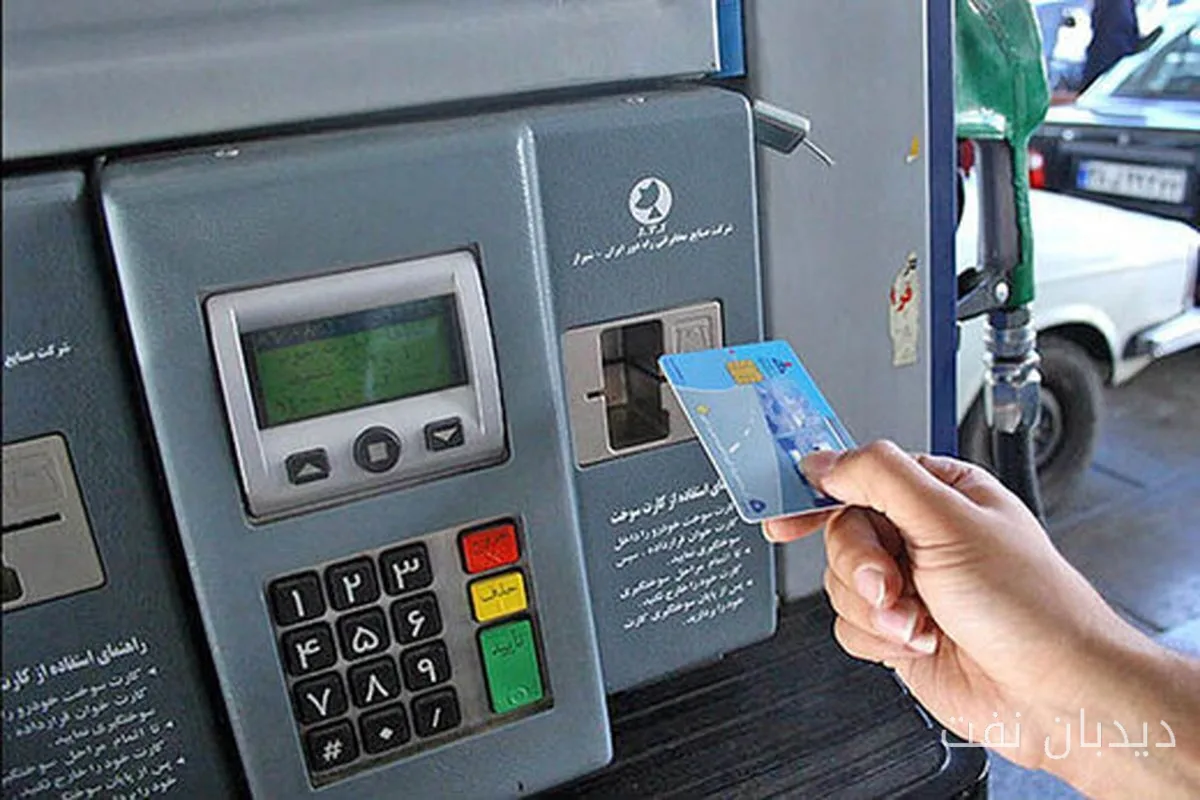
A new plan to identify fuel cards at stations will be implemented to prevent misuse and fuel smuggling in the country. Abbas Basafa, the manager of the smart fuel system, has provided explanations regarding this matter and pointed out the benefits of this plan.
The Necessity of Implementing the New Plan
Basafa stated in a television interview: "Emergency cards at stations are designed only to address the problem of those citizens who do not have their personal fuel card with them." However, the use of these cards has increased to such an extent that currently 40 to 45 percent of all refueling is done with emergency cards. This issue has become a challenge, especially in the current conditions where identifying individuals who use these cards is difficult.
Read more: Energy imbalance has increased production costs
Details of the Fuel Card Identification Plan
The manager of the smart fuel system explained the implementation process of this plan: "In the new model, when a person visits the fuel station, identity verification will be done through valid bank cards." In this method, the individual completes the refueling process by swiping their bank card and selecting the amount of fuel needed. This change is considered a different and more precise approach to managing fuel consumption, as it allocates fuel quotas to the vehicle owner rather than the vehicle itself.
Basafa also emphasized the necessity of transparency in user identities and added: "The refueling process with gift cards is not possible due to the lack of a clear identity, and the system will not be able to identify the holder of it." This issue becomes significantly important in conditions where potential misuse of the fuel distribution network exists.
Implementation Costs and Timeline of the Plan
Basafa also noted the potential costs for users: "Citizens will pay one thousand tomans for the allocation of a password by the electronic payment company." This plan will start as a pilot in Tehran and will gradually be implemented in metropolitan areas and other parts of the country. Basafa emphasized that this plan does not impose any restrictions on refueling and will provide fuel as much as the individual needs.
The manager of the smart fuel system concluded by saying: "All possible scenarios have been considered to facilitate this process so that no concerns arise for the people."
Read more: The International Monetary Fund predicted that Iran's economy would shrink by 7.6 percent · Storing 3.2 billion liters of fuel to manage energy imbalance