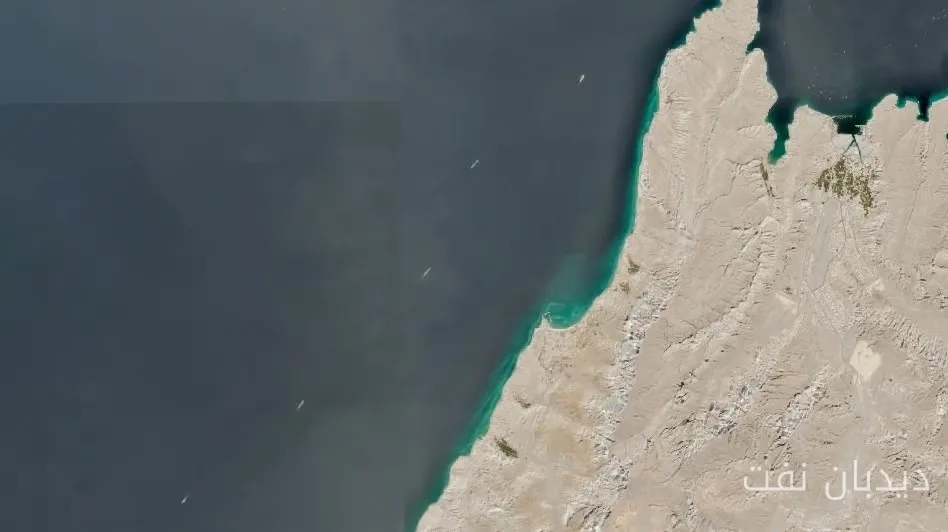
The necessity of making the Caspian region unsafe to reduce Israel's oil supply has been proposed as a strategy in the energy war. Closing the Strait of Hormuz and Bab-el-Mandeb is of special importance, but these actions alone cannot fully manage energy tensions.
Real Deterrence in the Energy War
In the energy war, the real winner is the one who can increase the costs for the opponent and force them to retreat strategically. Tensions in Southwest Asia cannot be resolved solely through general threats or by closing a passage. Deterrence makes sense when real sensitive points of the opponent are harmed. This is especially true regarding Israel's energy supply chain.
Read more: U-Ming Marine Transport has begun a $312 million investment in six new cargo ships
Effective Response and Game Change
Given that regional, maritime, and energy commitments have been repeatedly violated, unilateral adherence only weakens deterrence. An effective response must be such that it changes the game, rather than being merely a showy and short-term reaction. For this reason, while closing the Strait of Hormuz is important, it is not enough on its own.
The oil market does not only operate on the reality of supply but also moves with expectations. If a disruption in oil supply lasts only a few days or a week or two, the market can absorb this shock to some extent with reserves, alternative routes, and psychological management. In this context, creating insecurity in the Caspian region can be proposed as an effective strategy to increase the costs of Israel's energy supply.
Read more: Council on Foreign Relations Analysis: The U.S. should give concessions to Iran · Kuwait produces 2 million barrels of oil daily, which is 75% of pre-war capacity