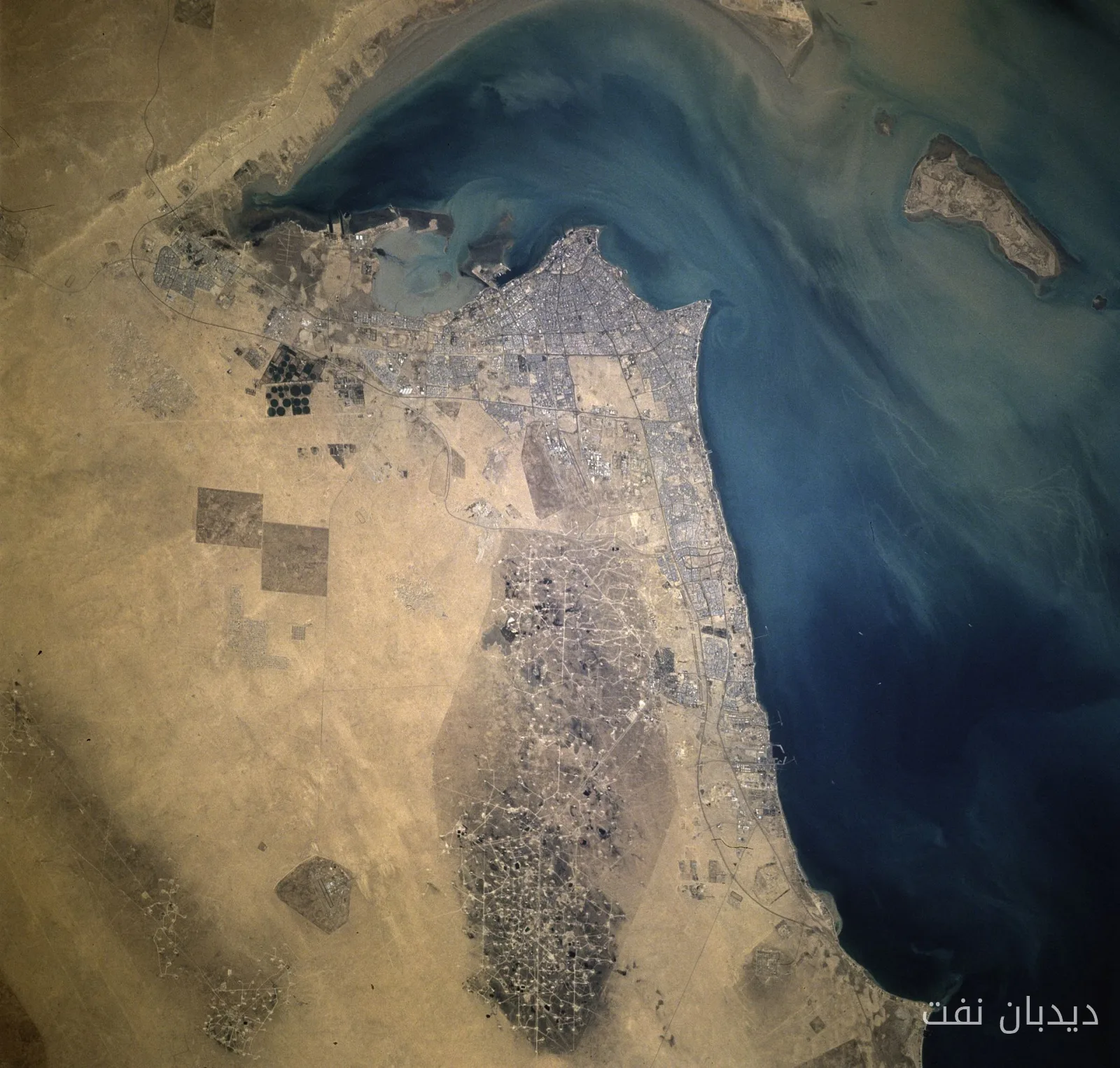
Kuwait produces 2 million barrels of oil daily, which shows 75% of the capacity compared to 2.6 million barrels before the Iran war. This information was provided by Sheikh Nawaf Al-Sabah, CEO of Kuwait Petroleum Corporation. The country's oil production had dropped to less than 1 million barrels per day in the early months of the war due to the blockage of shipping routes by Iran.
Increased risk of passing through the Strait of Hormuz
Sheikh Nawaf noted that despite ongoing threats from Tehran regarding shipping in the Strait of Hormuz, more tankers have decided to pass through this route. He added: "More ships are passing through because people know there is no alternative to the Strait of Hormuz." According to him, any action in building pipelines or storage facilities cannot replace the vital importance of the Strait of Hormuz for international trade.
Read more: Middle East crude oil exports, excluding Iran, have reached pre-war levels
Current and future challenges of Kuwait's oil production
Sheikh Nawaf also pointed to the global shortage of petroleum products and stated that strategic inventories are at critical levels. He noted that Europe currently needs Kuwait for emergency releases of diesel and jet fuel. Before the war, Kuwait was one of the major suppliers of these fuels in the region.
Despite the challenges posed by the war, Kuwait's strategic projects are progressing on schedule. Sheikh Nawaf emphasized that the country is on track to increase production capacity to 4 million barrels per day by 2035. He also mentioned plans to develop pipelines that include routes through Saudi Arabia and the United Arab Emirates.
Read more: The resignation of Mohsen Paknejad and its impacts on Iran's oil industry · Review of the proposed package of 117 technological projects in the oil and gas industry chaired by Mohammad Reza Aref



