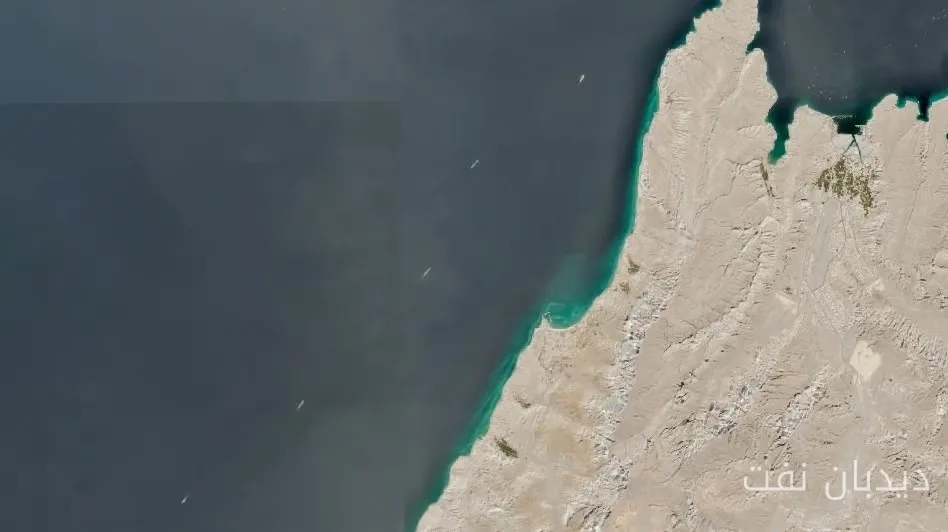
Kpler and Airbus recently announced that they are collaborating to develop a new tracking system for ships. This system is specifically designed for the Strait of Hormuz, which is known as one of the most dangerous maritime areas. The goal of this collaboration is to improve the safety of sailors and provide more accurate information to traders.
Challenges in the Strait of Hormuz
The Strait of Hormuz, as one of the most important shipping routes in the world, is heavily monitored by the Islamic Revolutionary Guard Corps (IRGC). Since the start of the war on February 28, estimates suggest that around 25 sailors have been killed in attacks by these forces on commercial ships. In the past 30 days, five more sailors have lost their lives. This situation is very dangerous for sailors and highlights the need for new methods to ensure their safety.
Read more: Strengthening Military Cooperation Between Japan and the United States in the Keen Sword Exercise
Development of a New Tracking System
Kpler, in collaboration with Airbus, is working to develop a system that can track the movements of ships. This system utilizes satellite imagery to provide accurate identification and tracking of ships. Unlike current systems, which pose a threat to the safety of sailors due to their weaknesses, this new system could help improve the existing situation.
Given that state-owned companies have specific advantages in maritime transport, all ships try to keep their identity, flag, route, and cargo status hidden. This issue prevents commodity brokers and oil and gas traders from accurately knowing the volume of transported cargo, which affects their pricing.
Additionally, officials from the Omani Navy are also suffering from a lack of access to information regarding ships. Following this information deficit, maritime security and intelligence companies have been collecting data, although their reports are often based on incomplete knowledge and disrupted GNSS signals.
Kpler has stated that the International Maritime Organization (IMO) has made the use of AIS systems mandatory, and the global implementation of these systems has brought many benefits for maritime safety. However, given the threats from the IRGC, there may be a need to revise the protocols for identifying ships in open seas.
Read more: U.S. Military Utilizes Unmanned Ships in the Persian Gulf · October 2023, Worst Month for Maritime Security in the Strait of Hormuz with 28 Attacks on Oil Tankers