Sanctions and the U.S. maritime blockade on Iran's oil exports have sharply increased, and the country is now facing a 40% reduction in its revenues. Specifically, data shows that this maritime blockade has particularly impacted Iranian ships and the country's ports, minimizing its oil export capabilities.
Impact of the Maritime Blockade on Iran's Oil Exports
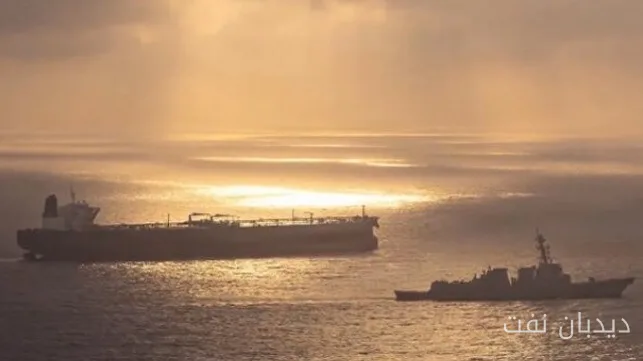
According to U.S. military officials, this maritime blockade has been in effect since October 22, 2026, for a duration of 100 days, during which 138 commercial vessels have been rerouted to ensure compliance with the sanctions. Estimates indicate that Iran has been unable to export oil in recent weeks due to this situation, and the country's oil reserves, which were prepared as an emergency stockpile before the war, are now either fully consumed or at a minimum level.
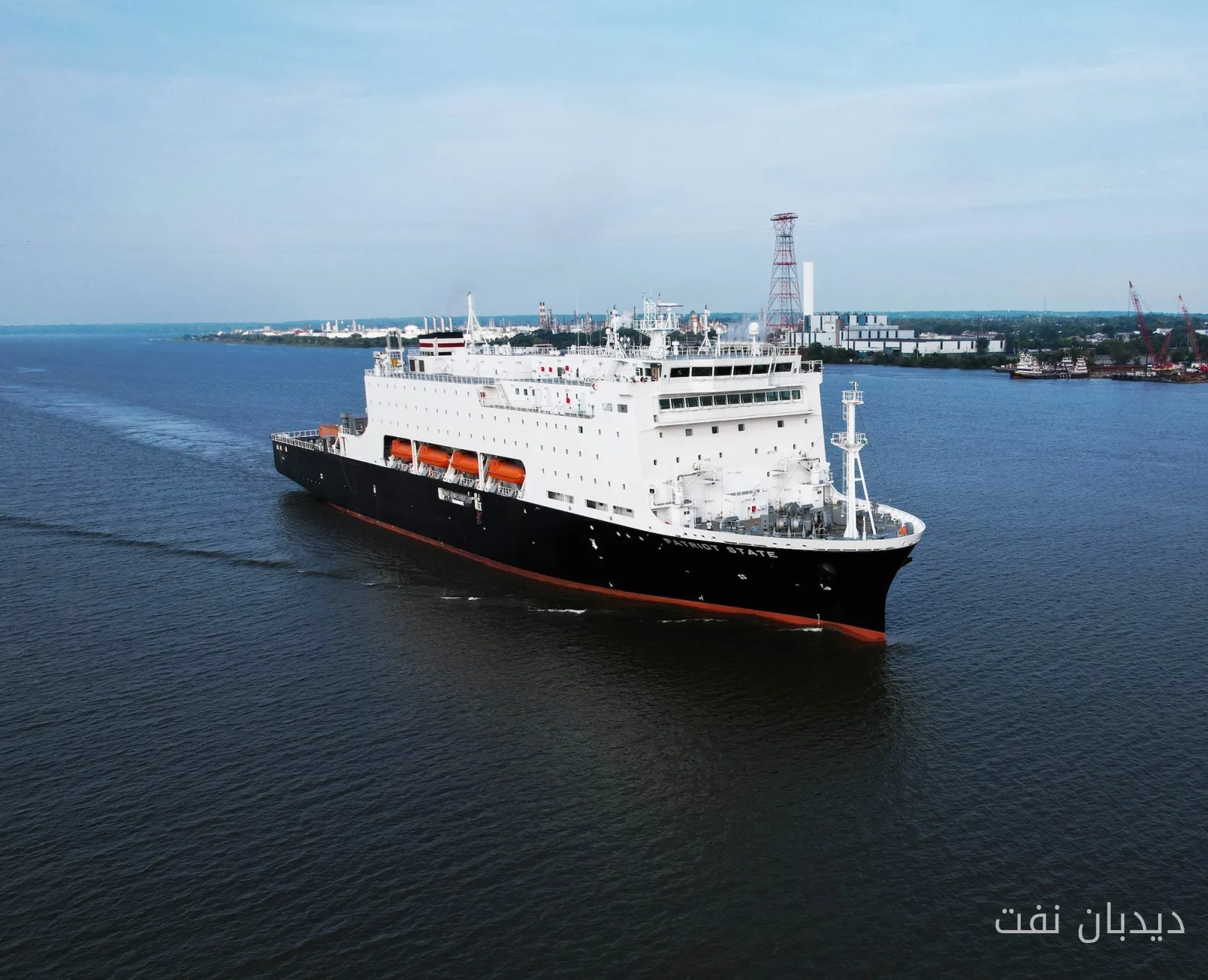
Read more: MARAD Cancels Shipment of Empire State Training Ship and Returns it to SUNY
Reduction in Iran's Government Revenues and Economic Challenges
Due to these sanctions and the maritime blockade, the Iranian government is expected to lose approximately 40% of its annual revenues. This situation has placed significant pressure on Iran's economy, and given the country's inability to find alternative routes for oil exports, it will create further problems for the people. Although there are some land and air routes for trade with neighboring countries, these routes are also affected by sanctions and strict U.S. oversight.
Specifically, Iran's land routes to neighboring countries such as Pakistan, Afghanistan, and Turkmenistan are facing restrictions due to political and military tensions in the region. Additionally, U.S. pressures on neighboring governments have made these countries reluctant to facilitate trade with Iran.
Additional Challenges in Trade Routes
While Iran has land access to neighboring countries, these countries cannot effectively assist Iran in facilitating trade due to a lack of friendly relations and strong political ties. For example, Iran's relations with Turkmenistan and Pakistan are under pressure due to political tensions, especially in southwestern provinces of Iran.
Moreover, Iran's relations with Azerbaijan and Armenia have also become complicated due to political and cultural issues, and it seems that these countries are also unwilling to facilitate trade with Iran. Furthermore, U.S. sanctions on Iraq have led to disruptions in movement and trade at the shared borders with Iran.
Given these challenges, it appears that Iran's economic situation will come under increased pressure in the near future, and the country will be seeking new ways to cope with these sanctions.
Read more: Increase in U.S. Oil Exports Following Energy Disruptions in the Middle East · Analysis by Asim Munir and the Impact of U.S. Elections on Iran-Washington Relations