Asim Munir's visit, a senior Pakistani official, to Tehran comes at a time when diplomacy between Iran and the United States is on the brink of complex developments. With the U.S. presidential elections approaching, this visit could indicate efforts to reduce tensions and open new avenues.
Emphasis on the Necessity of Building Trust
Asim Munir's meetings with Iranian officials, particularly emphasizing the necessity of building trust and the implementation of previous commitments by the U.S., indicate that the possibility of returning to diplomacy still exists. However, overcoming the current deadlock requires practical decisions and credible guarantees from both sides.
Read more: New IMO Changes in the Safety of Seafarer Transfers Based on Ship Designs
Speculations About Conflicts and Elections
The timing of this visit coinciding with increasing speculations about the possibility of renewed conflicts and the approaching elections in the U.S. and Israel adds to the importance of this mission. Professor Frank von Hippel, former director of the White House Office of Science and Technology, states that President Trump is trying to divert attention from the war with Iran before the elections.
Von Hippel emphasizes that war with Iran is not popular among American voters, and this could reduce the Republicans' chances in the elections. Similarly, the impact of the Israeli elections on the future U.S. approach towards Iran is also significant.
Challenges of Negotiations and Sanctions
Tariq Rauf, former head of the political security department of the International Atomic Energy Agency, points out that Iran will only return to cooperation with the IAEA after the complete lifting of sanctions and the withdrawal of American forces from the region. He also mentions the possibility of Iran retaliating if U.S. attacks are resumed, adding that no other country in the Persian Gulf will be able to export oil either.
Competing Factions in the U.S. and the Role of Mediators
Rauf refers to the existence of three competing factions in U.S. politics that influence decision-making, including the "deep state" and neoconservatives. He also notes the mediating role of countries like Qatar and Pakistan, mentioning that Oman no longer plays a mediating role.
The results of the upcoming Israeli elections and their reactions to developments in Iran could have significant impacts on negotiations and the relations between the two countries. Rauf also refers to Benjamin Netanyahu's secret visit to Abu Dhabi and related security meetings.
The Future of Negotiations and Military Developments
Ultimately, Marc Finaud, former spokesperson for the French Foreign Ministry, emphasizes the difficulty of comparing Iran's proposals and U.S. responses, stating that sensitive negotiations are underway. He believes that achieving a favorable outcome requires maintaining the confidentiality of the negotiations.
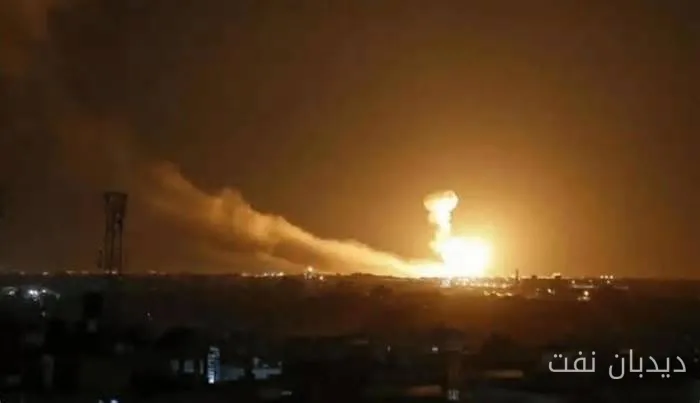
However, the situation remains unclear, and the future of Iran-U.S. relations depends on the flexibility of both sides and the political will to negotiate. Currently, reports indicate that the U.S. Central Command is preparing for heavy attacks against Iran, which could bring about new developments.
Read more: The European Union Revises Its Policies in the Arctic · Mohammad Reza Aref: Iran Ready for Energy Cooperation with Shanghai Countries