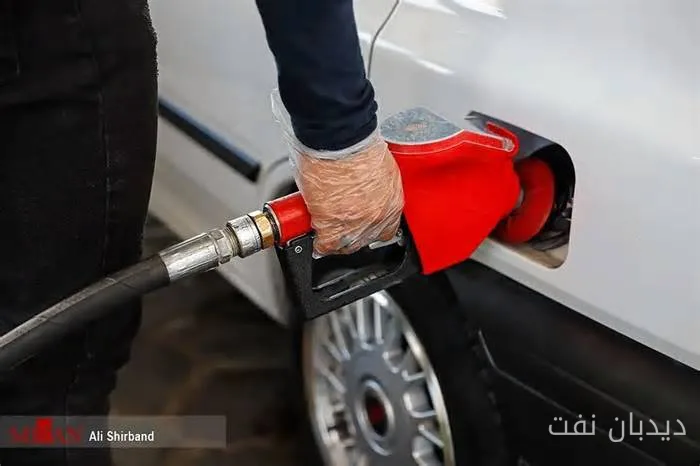
The shortfall in gasoline production compared to consumption and the problems of fuel supply and distribution have created an imbalance in the Iranian gasoline market. Import restrictions and withdrawals from fuel reserves have exacerbated this issue. To tackle this challenge, the government increased the third gasoline rate from five thousand to ten thousand tomans per liter starting from September 2026, while the two subsidized rates remain unchanged.
Social and Economic Impacts of Gasoline Imbalance
The shortage of gasoline at stations not only increases transportation costs but also has social and psychological consequences. This situation raises people's concerns about the rising prices of other consumer goods. Therefore, the adjustment of gasoline prices should be carried out with consideration of the livelihood and income status of households.
The Role of Economic Policies in Adjusting Gasoline Prices
Mostafa Safari, an economic expert, emphasizes the need for changes in the pricing structure of gasoline and vehicles. In many countries, fuel prices are higher while vehicle prices are lower, and governments use carbon taxes to fund part of their revenues. However, the opposite situation prevails in Iran. Therefore, policymaking in this area should be conducted with consideration of household livelihoods.
Safari also pointed out the necessity of reducing transportation costs for vulnerable groups such as students and retirees, stating: "Alongside the adjustment of fuel prices, the cost of using public transportation should be reduced to alleviate the economic pressure resulting from price increases."
This expert emphasized that rationing alone is not a long-term solution for managing gasoline imbalance, and the development of public transportation should be prioritized. Additionally, comparing gasoline prices in Iran with other countries without considering people's purchasing power is incorrect.
Safari, referring to the reform of the country's subsidy system, said: "Subsidies should be targeted towards low-income groups. This policy should be pursued simultaneously with wage reforms and the creation of sustainable economic growth to achieve desirable results."
Ultimately, the development of electric and hybrid vehicles will help reduce gasoline consumption and air pollution. In this regard, changes in tax policies and regulations regarding vehicle traffic are essential.
Read more: The Revolution Wind Ørsted Offshore Wind Project Has Been Fully Commissioned · Pezeshkian Emphasized the Elimination of Subsidies for High-Income Individuals and the Adjustment of Energy Prices